Hassett Disputes Accuracy of Negative Polling on Economy
Hassett Disputes Accuracy of Negative Polling on Economy
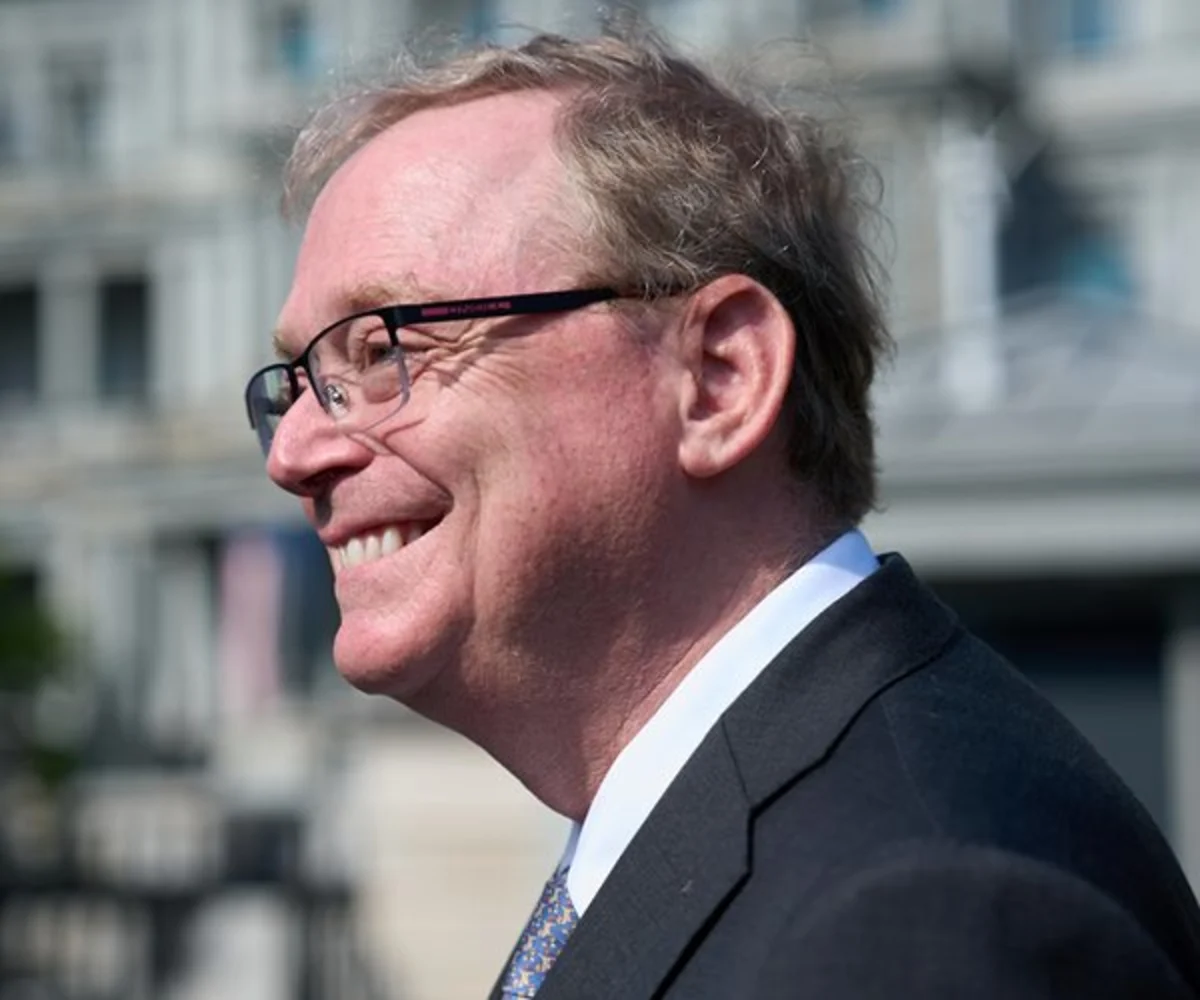
National Economic Council Director Kevin Hassett disputes negative public sentiment about the economy, citing strong consumption data and retailer performance.
Hassett argues that polls showing economic pessimism are inaccurate, as people's actions, such as increased spending and low credit card defaults, indicate optimism about future incomes.
Despite polls suggesting economic concerns, Hassett asserts that GDP growth is strong and people are confident in their jobs, leading him to believe that the pollsters are wrong.
National Economic Council Director Kevin Hassett insisted to CNN's "State of the Union" on Sunday that he doesn't believe in recent polls that show the public's negative feelings about the economy.
"Ahead of an election cycle, the fact that there's, you know, possibly partisan pollsters telling us that the people are really, really depressed, it's a classic Democrat move, and I just don't buy it," Hassett said.
"Because if it were true, if the polls were any value for thinking about what's going on with consumers, then we should look at the consumption data and say, Jeez, yeah, that's right. People aren't spending. But, in fact, the retailers are doing well."
Hassett added that he's often put in a double bind by the type of questions asked by opponents of the Trump administration.
"If I say, 'Oh, people are wrong, the economy's great,' then it looks like I'm insensitive. And if I then go into why the economy is great, then it looks like I'm insensitive," he said. "And so let's just unpack it and start with, well, people are saying that the economy's not great.
"It's true that the polls, which have gotten the president's success wrong every time, have been saying that people are looking a little bit depressed about the economy. But if you look at their actions, the actions speak way louder than words."
Hassett explained that "what we know from the economic literature is that, if people are worried about whether they're going to lose their job, if they're worried about whether they're going to get a pay cut, then they start reducing their consumption and increasing their savings. It's called the buffer-stock theory of savings.
"And so what we see right now is that people are really, really optimistic about the future, about their future incomes, because they're spending really, really at record levels. They're defaulting at their credit card debt at really, really low levels.
Hassett emphasized that "the consumer information data came out [this past week] that showed that consumption was up year over year at the highest rate in years. We have got GDP now for the third quarter running 4 to 5%."
He insisted that people are saying, they are confident with their jobs, and that they remained confident GDP growth was coming.
Hassett added, "And the polls are different from that. And so then the question is, Are the people wrong or the pollsters wrong? And I would say the pollsters are wrong."
Gathered from external sources. Rights to this text belong to whoever originally published it.