Iran weighs in on midterms: ‘Americans said NO TO WAR’
Iran’s top negotiator responded to the resounding Republican defeat in the midterm elections as proof of American voters rejecting President Trump’s war against his country and the associated economic burden. “Conscience or the cost of living, Americans said NO TO WAR, and we endorse this message,” Mohammad Bagher Qalibaf, the speaker of Iran’s Parliament who…
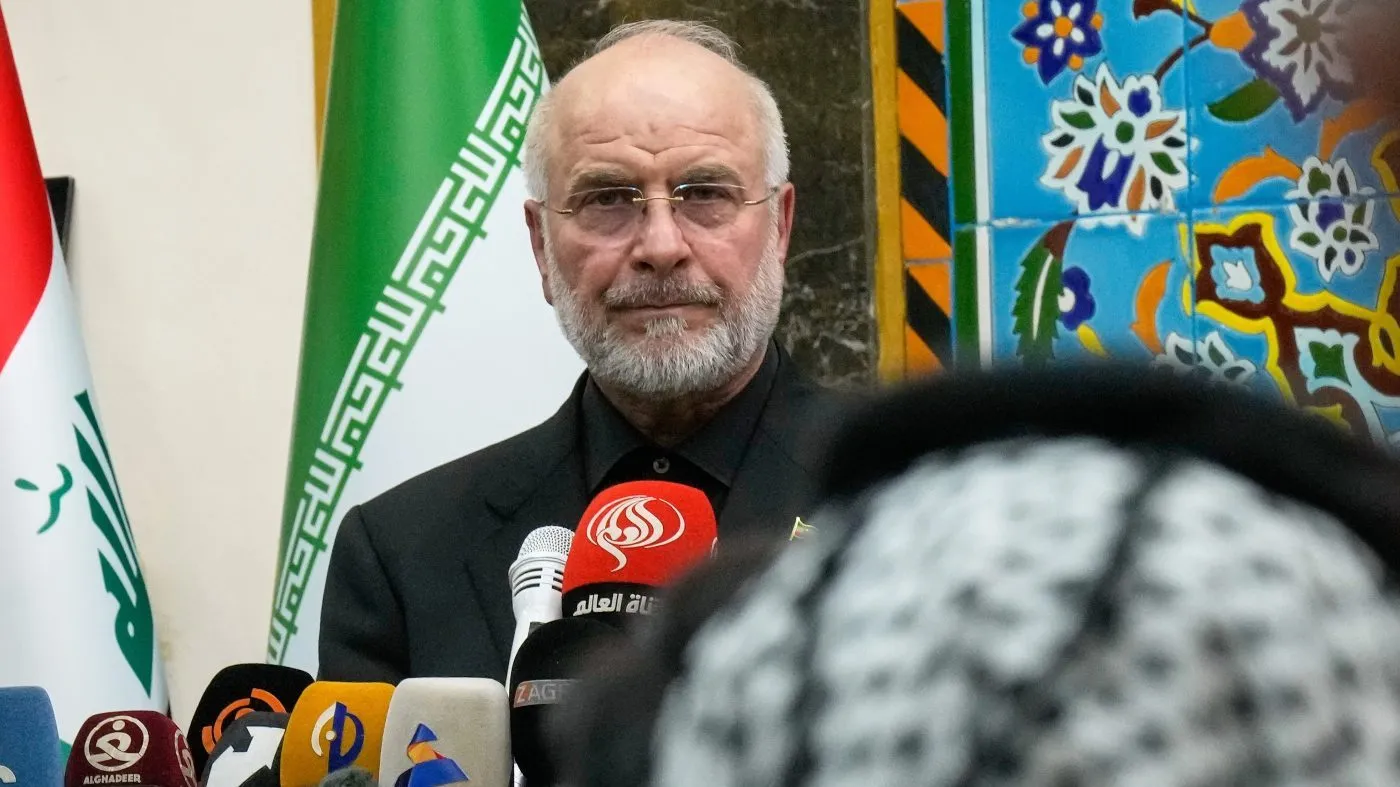
Iran’s top negotiator responded to the resounding Republican defeat in the midterm elections as proof of American voters rejecting President Trump’s war against his country and the associated economic burden.
“Conscience or the cost of living, Americans said NO TO WAR, and we endorse this message,” Mohammad Bagher Qalibaf, the speaker of Iran’s Parliament who is leading negotiations with the U.S., said on the social platform X .
He further threatened a “Nightmare” if Trump follows through on threats to return to open conflict.
“If the US govt betrays their public will to serve international paymasters and blackmailers, it will learn our NO comes with a Nightmare,” he said.
Trump acknowledged the war with Iran “was a piece” of the backlash to Republican candidates, in an interview with The Wall Street Journal on Tuesday evening.
While American voters rated the war with Iran as a low priority among the issues they weighed going to the polls, they did connect their economic woes of high gas prices and inflation to the conflict. Affordability was the top issue for voters on Tuesday.
A Chicago Council on Foreign Affairs report released in September found about 86 percent of Americans broadly view the US-Iran war as bad for the cost of living in the country.
Ahead of and on election day, Trump played down resuming military operations against Iran even as the U.S. has continued to carry out limited strikes against the country, added to its armed presence in the region and had the Pentagon draw up strike options.
“I’m ready, we’re ready. We’re locked and loaded if we need to go, but there may be no reason for it,” Trump said in an interview with the Financial Times on Tuesday.
Iranian officials have signaled that Tehran and Washington remain far apart on negotiations, with a senior Iranian official telling Reuters the U.S. must meet Iran’s conditions to open the Strait of Hormuz.
This includes waiving oil sanctions, ending the US naval blockade and releasing frozen Iranian funds. Iran has strangled the waterway in retaliation for the U.S. war, impacting energy shipments through the strait that have sent energy prices skyrocketing around the world.
“Mediators are working hard to narrow gaps between Tehran and Washington,” the senior Iranian official told Reuters.
Gathered from external sources. Rights to this text belong to whoever originally published it.