Congress can come together to honor the Adams family
Four bipartisan House commissioners are calling on the Senate to pass the Adams Memorial-Great American Heroes Act to establish a permanent memorial for the Adams family in Washington, D.C.
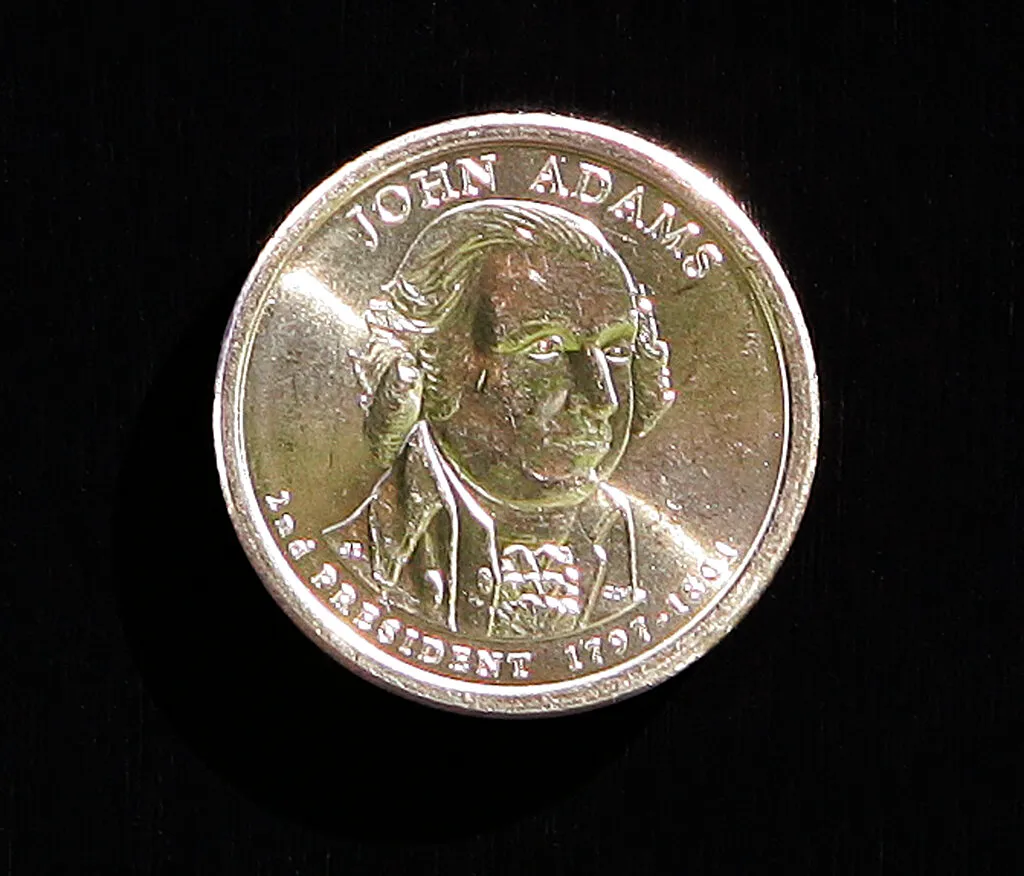
There is plenty that Republicans and Democrats disagree about in Washington. Honoring the extraordinary contributions of the Adams family to the United States should not be one of them.
As the four members of the House of Representatives serving on the Adams Memorial Commission, we represent different parts of the country, different parties, and different political perspectives. But we are united in the belief that John Adams, Abigail Adams, John Quincy Adams, and their remarkable family deserve a permanent memorial in our nation’s capital.
Few American families have contributed as much to the founding, development and preservation of the nation.
John Adams was a leading voice for American independence, a signer of the Declaration of Independence, a diplomat who helped negotiate America’s first international alliance to secure critical financial and military support for the Revolution, and, ultimately, the second president of the United States.
His wife, Abigail, was far more than a witness to that history. During long periods when John was serving the country at home and abroad, she managed their family and farm while becoming one of his most trusted political advisers. Her remarkable correspondence provides an enduring account of the founding era, including her famous appeal to “remember the ladies” at a time when women possessed few political or legal rights.
Their son, John Quincy, carried that tradition of public service into another generation. He served as a diplomat, secretary of State, and the sixth president before returning to public service in the House of Representatives, where he became a fierce opponent of slavery.
And those three lives barely scratch the surface of the Adams family’s contributions to the United States. The family produced generations of diplomats, public servants, writers, and civic leaders whose influence extended far beyond the founding era.
Yet there is still no memorial in Washington honoring this extraordinary American family.
That omission is especially striking as Americans commemorate the 250th anniversary of our independence. John Adams helped make that independence possible. Abigail Adams helped give voice to the principles the new nation would spend generations working to fulfill. Their descendants demonstrated how the responsibilities of citizenship and public service could be passed from one generation to the next.
A memorial to the Adams family would be different from the monuments Washington already knows so well. It would not commemorate only a president, general, or individual achievement. It would tell the story of an American family — men and women, parents and children — bound together across generations by a commitment to public service. The current proposal envisions that memorial near the White House, where John and Abigail became its first residents in 1800.
At a time when Americans hear so much about what divides us, the Adams Memorial offers a small but meaningful reminder of what can still unite us. Republicans and Democrats in the House have already come together unanimously behind this effort.
The Adams family gave generations of service to the country they helped create. Two hundred and fifty years after the Declaration of Independence, it is time for our nation’s capital to give them the recognition they deserve.
The Senate should pass the Adams Memorial-Great American Heroes Act and help make that memorial a reality.
Morgan Griffith, William R. Keating, Stephen F. Lynch and John Moolenaar serve as commissioners on the Adams Memorial Commission.
Topics in this story
Gathered from external sources. Rights to this text belong to whoever originally published it.