Flock cameras and TSA searches are making our 4th Amendment a dead letter
The natural right to privacy is a fundamental human right that government needs to respect.
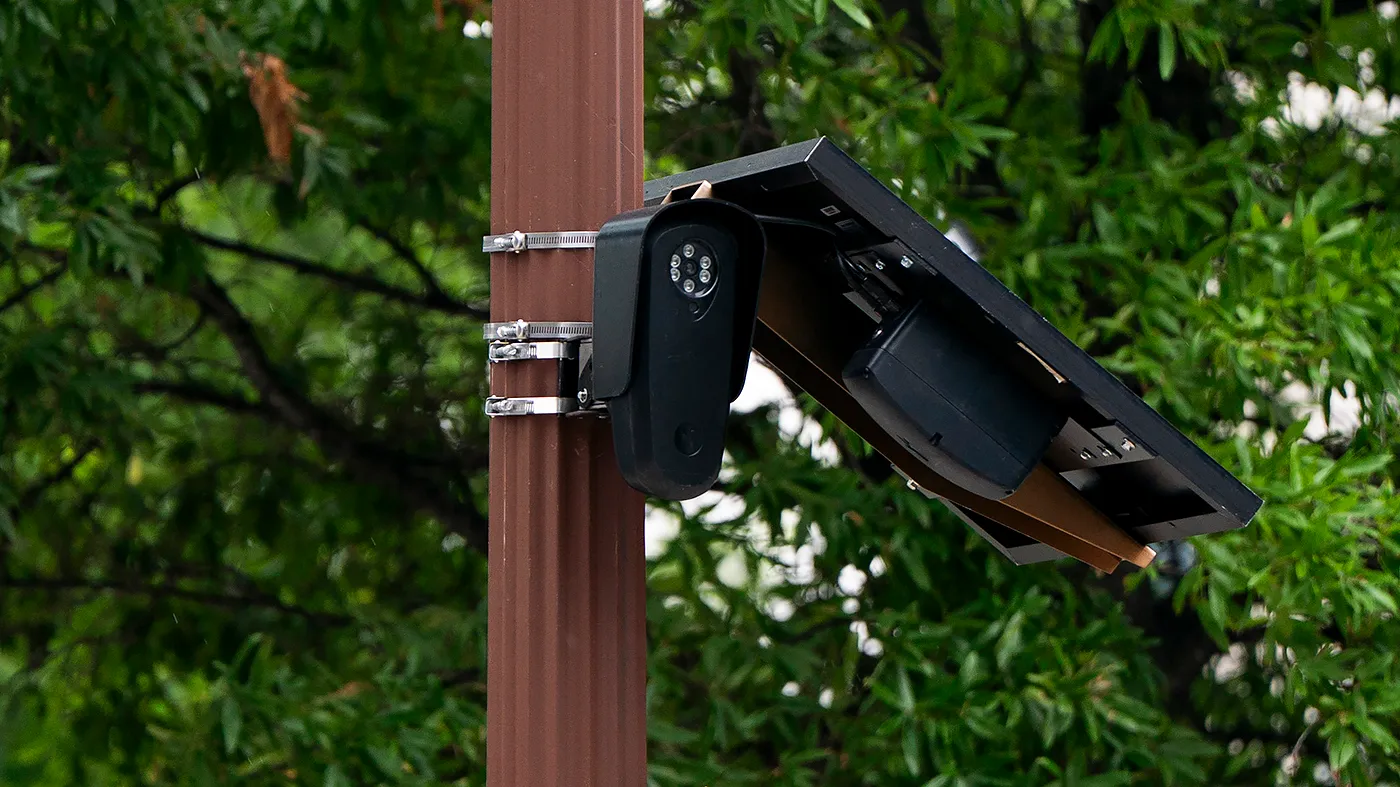
An uprising is afoot against the Flock Safety, because its cameras had been programmed to track the license plates of drivers automatically. This is yet another example of the government treating law abiding citizens as presumptively guilty of a crime — of fishing for the guilty in a sea of innocents.
The natural right to privacy is a fundamental human right that government must respect. And the use of these cameras to monitor every movement by law-abiding citizens certainly violates the natural, God-given right to privacy recognized in the Fourth Amendment to the U.S. Constitution.
“The right of the people to be secure in their persons, houses, papers, and effects, against unreasonable searches and seizures, shall not be violated,” the Fourth Amendment reads. It goes on to add that “no Warrants shall issue, but upon probable cause, supported by Oath or affirmation, and particularly describing the place to be searched, and the persons or things to be seized.”
Surveillance and tracking of all when they travel from place to place is a clear violation of every citizen’s right to privacy.
Historians recognize the importance of this provision in the Bill of Rights. The Heritage Guide to the Constitution pointed at many state constitutions that further protect this right. Virgina’s constitution, for example “declared that ‘general warrants are grievous and oppressive, and ought not to be granted.” They cited the constitutions of Maryland, Massachusetts, North Carolina, Pennsylvania and Vermont, which adopted similar language.
Heritage characterized those state constitutional provisions as standing for the idea that “Warrants had to be based on cause or foundation, had to be supported by oath or affirmation, and had to name or describe the place to be searched or the persons or things to be seized.”
Flock cameras, in contrast, are a tool for conducting searches and surveillance without a warrant. One could argue that the government has issued a de facto general warrant to search all drivers of cars without any probable cause.
A handful of politicians and public officials have objected. My former boss, Sen. Rand Paul (R-Ky.) posted on Twitter, “Flock has 120,000 cameras tracking cars across America, no warrant required. Over 5,000 police agencies have signed on. This isn’t crime fighting. This is mass surveillance of every American, and a violation of our 4th Amendment rights.”
In Utah , that Gov. Spencer Cox (R) “ordered two state entities to conduct a review and ensure that those cameras are not being misused.” In rural Missouri , the Pulaski County Sheriff’s Office stopped using the cameras, arguing that questions about constitutional rights “outweighed the benefits of Flock.” Sheriff Stacy Ball argued that “technology is important, but no piece of technology is more important than the trust of the people we serve.” These concerns are shared by most Americans.
This concern about treating all American citizens as presumptive law breakers or even terrorists is exemplified in how the Transportation Security Administration treats citizens boarding airplanes for commercial travel. Every traveler is treated as a potential terrorist, subjected to invasive screening that defies the idea that we live in a free nation. Probable cause for an invasive search is not present just because an individual purchases a ticket to travel. The more that government, both state and federal, uses de facto general warrants to treat citizens like they are all likely criminals, the less Americans feel they have any semblance of privacy.
For those who argue that those with nothing to hide should accept such searches and surveillance as a new normal, try extending that argument to privacy within one’s home or with one’s financial transactions.
Remember, the Bill of Rights are words on a piece of paper. They memorialize natural rights that all people had before we established this republic, and which they will continue to have if it ever disappears.
It is time for politicians take their oath of office seriously and dial back the Big Brother tactics to monitor citizens’ every movement. The Bill of Rights cannot be left as a dead letter.
Brian Darling is former counsel for Sen. Rand Paul (R-Ky.).
Topics in this story
Gathered from external sources. Rights to this text belong to whoever originally published it.