Kennedy Center plaintiffs call for resignations or receivership
Eight historical, architectural and preservationist organizations that are plaintiffs in a case against the Kennedy Center on Thursday called for the performing arts center’s leaders to either resign or appoint a receiver. “If the current leadership of the Kennedy Center is unwilling or unable to exercise its fiduciary duty to protect the historic building and…
Eight historical, architectural and preservationist organizations that are plaintiffs in a case against the Kennedy Center on Thursday called for the performing arts center’s leaders to either resign or appoint a receiver.
“If the current leadership of the Kennedy Center is unwilling or unable to exercise its fiduciary duty to protect the historic building and the grounds of the John F. Kennedy Center for the Performing Arts, the court should consider appointing a receiver or replacing that leadership,” the plaintiffs said in a statement provided by attorney Greg Werkheiser.
“The irrevocable loss of this iconic building — whether by intent, neglect or mismanagement — appears increasingly possible,” the statement continued. “The court has invited our coalition of eight nationally recognized architectural and preservation organizations to raise additional requests for relief if new facts appear to warrant judicial intervention. We are on the verge of such a moment.”
The plaintiffs comprise the American Institute of Architects, the American Society of Landscape Architects, the Committee of 100 on the Federal City, the DC Preservation League, Docomomo US, the National Trust for Historic Preservation, the Society of Architectural Historians and the Cultural Landscape Foundation.
Werkheiser, whose law firm, Cultural Heritage Partners, is one of three firms representing the organizations, told reporters they will “likely soon” file for receivership.
“We feel an obligation, no matter how realistic we think it is, to first publicly and clearly call, one last time, on the trustees to particularly focus on their legal fiduciary duties,” he said.
He later said that requesting a receivership for the Kennedy Center does not require it to go into bankruptcy.
“But circumstances are changing rapidly,” he warned. “In requiring independent protection, the court could consider measures to put someone else, not someone that we pick, not someone that the government picks, but someone that the court picks and vets –– put them in charge of preserving the historic building.”
Werkheiser also said the plaintiffs were “paying close attention” to photos shared as part of a court filing from Rep. Joyce Beatty (D-Ohio), an ex officio board member who challenged the Trump administration in a separate lawsuit, showing President Trump aboard Air Force One reading a placard that read “Kennedy Center DEMOLISHED.”
“My mom didn’t raise the smartest person, but I know, always, that we have to wait for verification of those things before we can really express any strong opinion,” Werkheiser said.
The Hill has reached out to the Kennedy Center and the White House for comment.
Werkheiser emphasized that Congress has $257 million set aside for repairs to the venue, prompting the center’s Trump-aligned board to pursue long-term renovations. He added that Trump can lead the renovations and financially rescue the center.
“But on Tuesday, [U.S. District Judge Christopher Cooper] again held that the board cannot place President Trump’s name on the Kennedy Center building [and] were grounds without congressional authorization, which, of course, he currently lacks,” the attorney said. “President Trump then said that he will withhold the renovations funded by Congress and the American people unless that ruling is overturned and he will refuse to raise additional funds.”
Werkheiser said Trump has the “extraordinary responsibility” to use his power to keep the center running, “not extraordinary leverage to demand the institution honor him.”
He later noted that board members have an “affirmative duty” to preserve the Kennedy Center as a performing arts center and living memorial to former President John F. Kennedy.
“Judge Cooper’s been very clear about that,” Werkheiser continued. “He said the trustees aren’t mere figureheads. They are duty-bound to fulfill their roles with due care and some modicum of independence, especially when they’re managing property held in trust for the American people.”
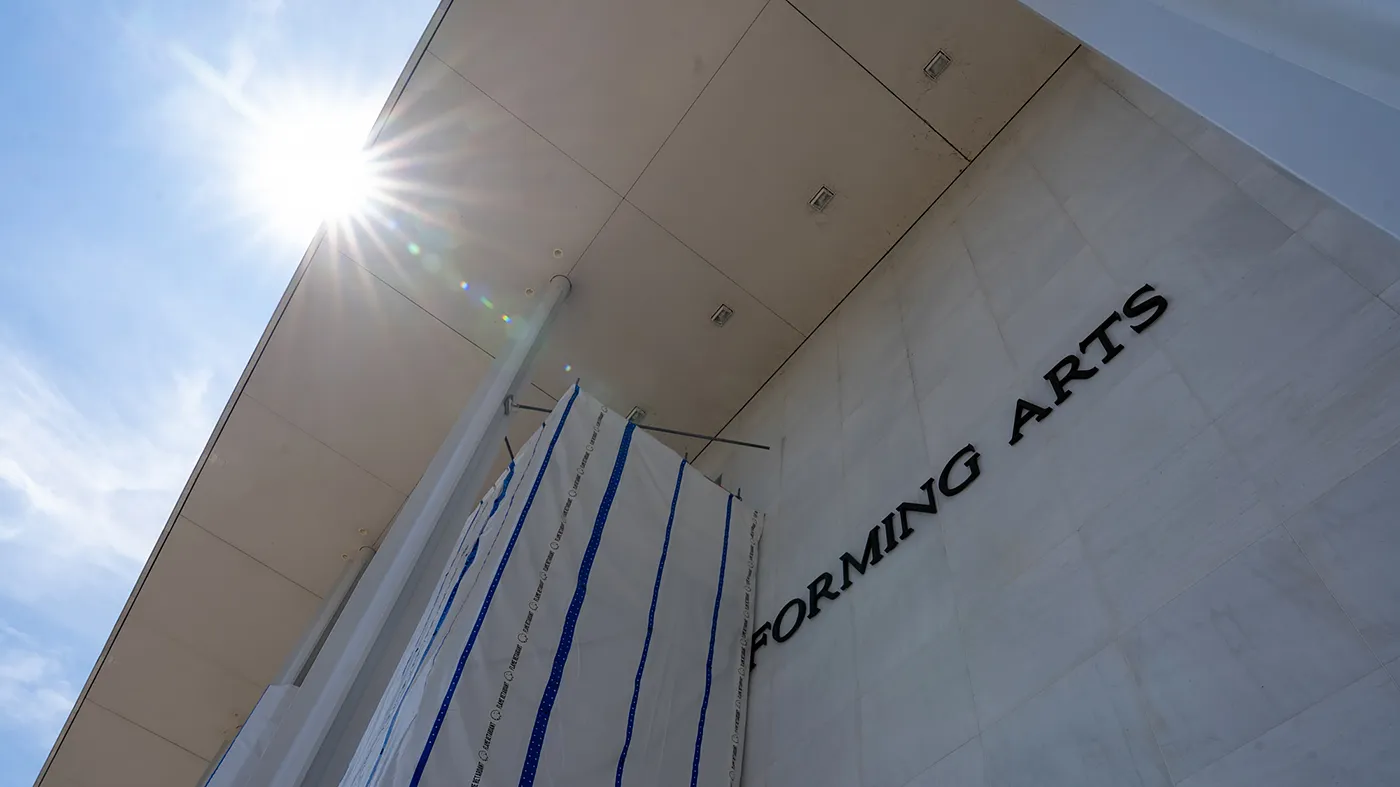
The center’s main building will be closed for at least a week for emergency repairs. Executive Director Matt Floca wrote in a court declaration that the decision to close the building was due to “acute risks to public safety” from structural damage in some areas of the arts center.
The Department of Justice defended the closure and said Floca’s decision is in line with a federal judge’s prior order preventing the center from being closed for a prolonged period.
Fencing was set up around the building on Wednesday after the board voted for a second time to shut the center down for repairs.
Topics in this story
Gathered from external sources. Rights to this text belong to whoever originally published it.