Ending the roadless rule can help fight forest fires and improve wildlife access
Rescinding the roadless rule is not a threat to federal wilderness; it is a statement that we have enough already and that we need to manage it rather than let it burn.
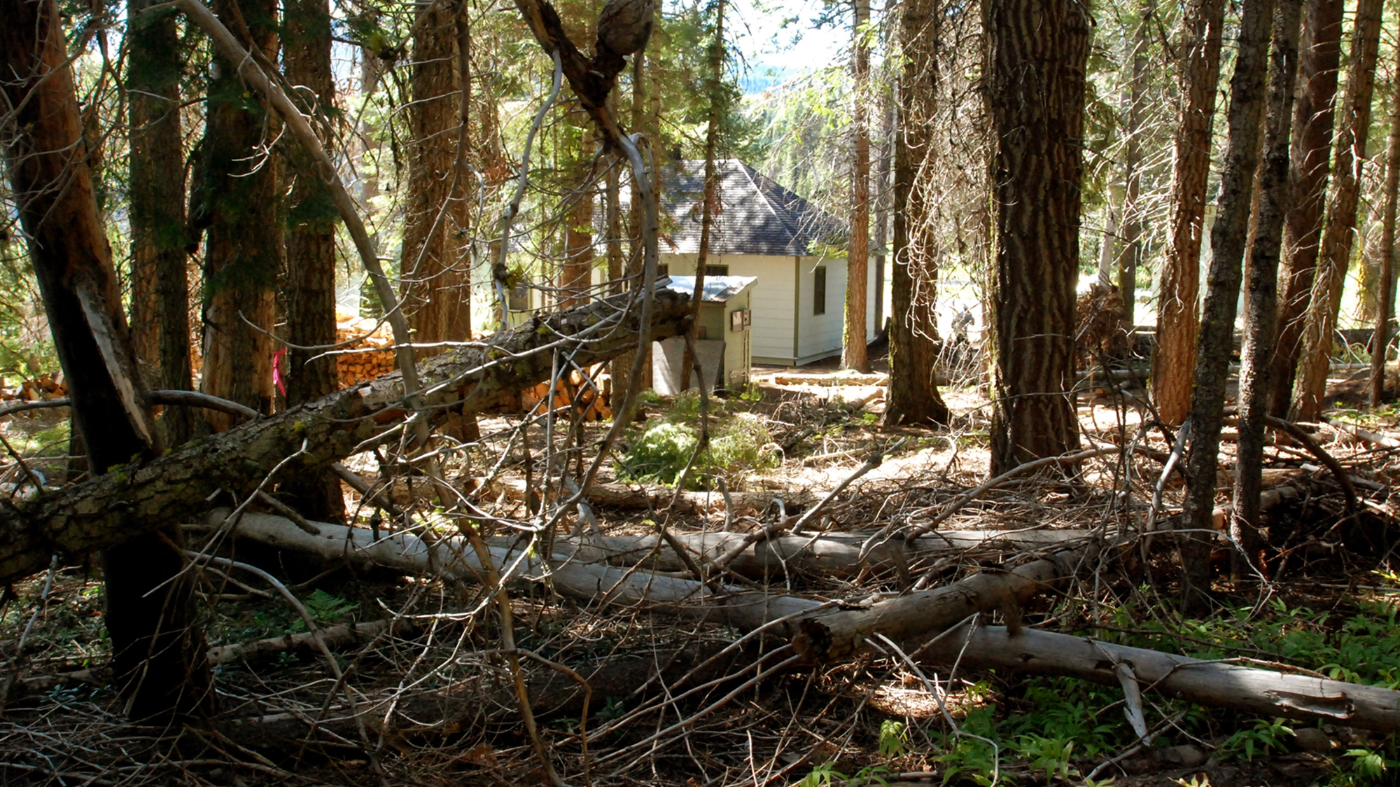
On Aug. 23, the U.S. Forest Service announced that it is considering rescinding the 2001 Roadless Area Conservation Rule . Across the country, newspapers ran stories saying this would open the wilderness to logging.
Supposedly, the rule was designed to preserve wilderness on federal lands. But it does not apply to places that feature “ sacred sites ” like Yellowstone or Yosemite or to congressionally designated wilderness areas like the iconic Aldo Leopold Wilderness in New Mexico or the Bob Marshall Wilderness in Montana.
As Agriculture Secretary Brooke Rollins explained , rescinding the rule would “restore authority to local forest managers who know the land best.”
Not surprisingly, the announcement drew an immediate backlash from environmentalists and Democrats. They claim this is a ploy to pad the pockets of timber companies at the expense of wilderness and that more roads will lead to more wildfires and degradation of wildlife habitat.
The data, however, support Rollins’s call for better fuel management. True, roughly 85 to 90 percent of wildfires are human-caused — sparked by vehicles, discarded cigarettes, campfires or power equipment. Areas with higher human traffic and vehicles experience a much higher concentration of fire starts.
But these are not the fires that spread rapidly and far. The primary drivers behind large and rapid spreading fires are related to inaccessibility.
Less access means delayed initial remediation, slower response times due to difficulties getting crews and equipment to the scene, heavier reliance on air suppression and small smoldering spots with more time to blow up into major conflagrations. There is also a lack of active management because roadless and wilderness areas undergo much less active logging, brush clearing and controlled burns, which reduces fuel for wildfires.
Alongside the fire debate is the question of what constitutes wilderness and how much is enough. In 1964, Congress passed the Wilderness Act famously describing a wilderness as a place “where the earth and its community of life are untrammeled by man, where man himself is a visitor who does not remain.” Untrammeled specifically means no roads, no ATVs or motorbikes and no motorized equipment, including chainsaws.
Initially, the act designated 9.1 million acres of federal land as wilderness, and since then we have added more than 100 million acres . Today wilderness defined by the act constitutes 18 percent of federal lands and 5 percent of the country .
Wilderness designated lands, however, are not the only roadless lands. In addition to the wilderness areas, there is another 58.2 million inventoried roadless acreage covered by the 2001 Roadless Area Conservation Rule — approximately 30 percent of National Forest System lands.
Who uses those roadless areas? The best estimates we have of wilderness usage come from the period of 2000 to 2002, when there were about 8.8 million annual wilderness site visits and 600-700 million federal land recreation visits.
The reason for the difference is that most recreationists visiting the wilderness could care less about whether the land is untrammeled. They just want to get into the great outdoors without hiking miles carrying a heavy backpack. They would be happy to find remnants of an old goldmine or a prospector’s cabin and return to their VRBO in the comfort of their air-conditioned SUV.
Rescinding the roadless rule is not a threat to federal wilderness; it is a statement that we have enough already and that we need to manage it rather than let it burn.
Terry L. Anderson is the John and Jean DeNault Senior Fellow at Stanford University’s Hoover Institution.
Topics in this story
Gathered from external sources. Rights to this text belong to whoever originally published it.