Supreme Court won’t revive Trump administration’s transgender inmate policy; Thomas, Alito dissent
The Supreme Court refused the Trump administration’s bid to stop providing transgender inmates hormone treatments and certain surgeries on Wednesday, declining to lift a lower judge’s block over the dissents of two conservative justices. The Bureau of Prisons (BOP) policy would taper treatments for inmates currently receiving them, and officials would also need to stop providing…
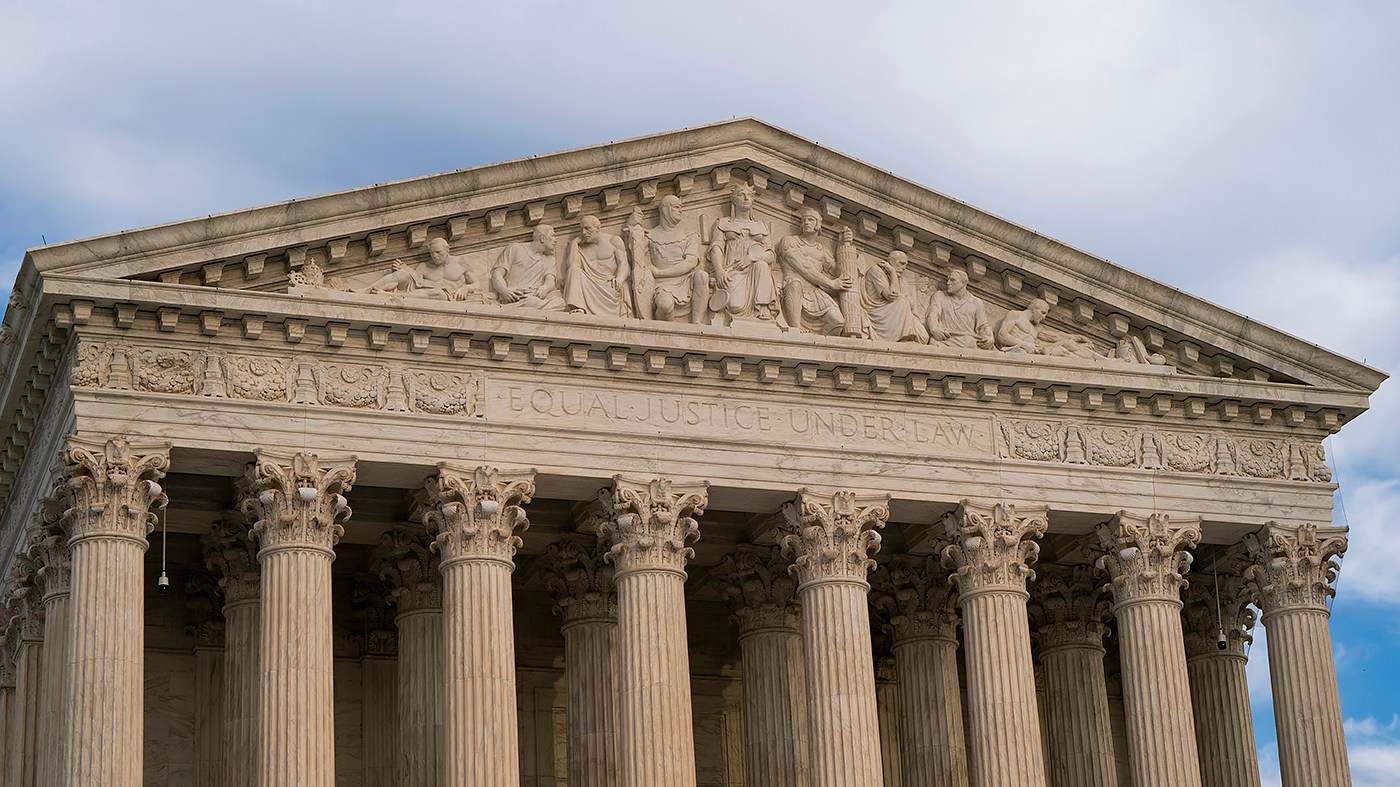
The Supreme Court refused the Trump administration’s bid to stop providing transgender inmates hormone treatments and certain surgeries on Wednesday , declining to lift a lower judge’s block over the dissents of two conservative justices.
The Bureau of Prisons (BOP) policy would taper treatments for inmates currently receiving them, and officials would also need to stop providing social accommodations, like hair-removal devices.
Solicitor General D. John Sauer asserted the changes are needed to maintain “institutional security” in federal prisons.
It’s a rare loss for the Trump administration, which has emerged victorious more than two dozen times in asking the high court for emergency relief after a judge blocked an aspect of the president’s agenda.
Justices Clarence Thomas and Samuel Alito, both members of the court’s 6-3 conservative majority, publicly dissented. Neither they nor the majority explained their reasoning.
Last year, the justices allowed the administration to enforce its ban on openly transgender troops serving in the military.
But now, the administration faces a Supreme Court loss in its fight against what it calls “gender ideology.”
The battle dates back to Trump’s first day of his second White House term. The president signed an order directing that no federal funds be spent on medical procedures “for the purpose of conforming an inmate’s appearance to that of the opposite sex.”
Affected prisoners, represented by the American Civil Liberties Union (ACLU), have been suing for months. Their case now focuses on a February statement the BOP issued formalizing the restrictions.
“This is a critical ruling for our clients and all transgender people in Bureau of Prisons custody,” Li Nowlin-Sohl, senior staff attorney with the ACLU’s LGBTQ & HIV Project, said in a statement.
“The denial of medically necessary health care, including gender-affirming health care, to people in prison is a violation of their fundamental constitutional rights,” Nowlin-Sohl continued. “We will continue to defend the rights of our clients and all incarcerated people.”
The Trump administration said their lawsuit should fail for multiple reasons, including that the lower courts aren’t complying with a law that limits inmates’ ability to file endless civil litigation.
In court filings, the administration called it an “egregious intrusion into federal prison administration.” The administration brought the case to the Supreme Court after the U.S. Court of Appeals for the D.C. Circuit voted 2-1 that there was no trace of any specific security incident under the old policy.
The ACLU says enacting the restrictions would upend that three-decades-long status quo.
“That glaring omission, as well as the unreasonableness of its decision, make it clear that the rationales were contrived to support the demand President Trump made in the EO,” the ACLU wrote to the Supreme Court.
Topics in this story
Gathered from external sources. Rights to this text belong to whoever originally published it.