Trump administration asks Supreme Court to OK transgender inmate policy
The Trump administration asked the Supreme Court on Monday to lift a judge’s block on its policy restricting transgender inmates’ access to hormone treatments and gender-affirming surgeries. Under the Bureau of Prisons (BOP) policy, inmates currently receiving hormone treatments would be put on a tapering plan. Officials would also be required to stop providing social…
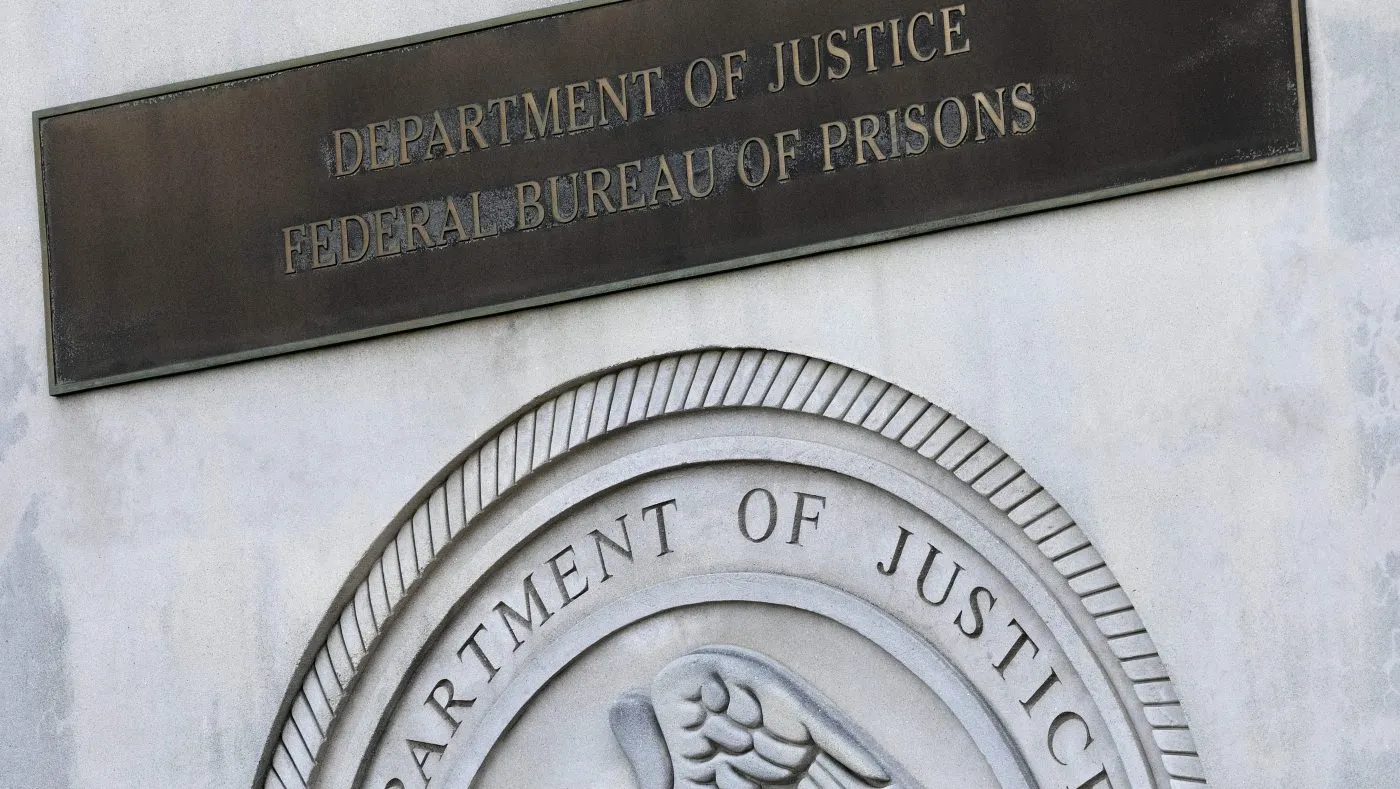
The Trump administration asked the Supreme Court on Monday to lift a judge’s block on its policy restricting transgender inmates’ access to hormone treatments and gender-affirming surgeries.
Under the Bureau of Prisons (BOP) policy, inmates currently receiving hormone treatments would be put on a tapering plan. Officials would also be required to stop providing social accommodations, like hair-removal devices, to help inmates transition.
The U.S. Court of Appeals for the D.C. Circuit, in a 2-1 vote , declined to lift the judge’s block, which found the policy likely illegal.
“In nullifying BOP’s exercise of its statutorily conferred authority to adopt a policy that prison administrators have determined is necessary to maintain institutional security, the court’s order causes irreparable harm to the government and to the public,” Solicitor General D. John Sauer wrote in court filings.
The case heads to Supreme Court Chief Justice John Roberts, who by default manages emergency matters arising from the nation’s capital. He could act alone or refer the request to the full court for a vote.
It’s the Trump administration’s latest plea for the Supreme Court to intervene on its emergency docket to restore an aspect of the president’s agenda that a federal judge has blocked. It’s the 41st time the administration has done so since taking office, according to The Hill’s analysis of the court’s docket.
The Supreme Court has regularly ruled for Trump in emergency cases, though it hasn’t been a clean sweep. The president expressed deep frustration with some of his own appointees after the court recently refused to put Trump’s mail-in ballot plan into effect for November’s elections.
In recent years, cases implicating transgender rights have regularly reached the justices’ docket. The conservative-majority court has recently handed down major decisions enabling states to bar transgender girls from competing on women’s sports teams in schools and to restrict transgender minors from accessing gender-affirming care.
Sauer pointed to those opinions as the administration took the latest case to the high court on Monday.
“Indeed, this Court has emphasized the importance of allowing politically accountable officials to make decisions about the permissible forms of treatment for gender dysphoria,” Sauer emphasized in the government’s application.
The underlying lawsuit began last year, when transgender inmates filed a class-action challenge to officials ending their access to gender-affirming care in prison. At the current stage, the legal battle concerns a February 2026 statement the BOP issued formalizing the policy.
The directive came after Trump on his first day back in office ordered that no federal funds be spent on medical procedures “for the purpose of conforming an inmate’s appearance to that of the opposite sex.” It was part of a broader push against what his administration calls “gender ideology.”
The president’s efforts have sparked various lawsuits across the country. Last year, the Supreme Court issued an emergency order allowing the administration to enforce its ban on openly transgender troops serving in the military.
In the legal battle over transgender inmates, U.S. District Judge Royce Lamberth, an appointee of former President Reagan, has repeatedly ruled against Trump.
The administration filed its latest appeal after the D.C. Circuit voted 2-1 to uphold Lamberth’s block, agreeing that BOP’s position is likely illegal because it didn’t adequately consider its own experiences operating under its prior policy.
“For example, BOP makes claims about the security impact of providing gender-affirming care without addressing whether such issues have occurred,” the court wrote in its Sept. 18 decision.
The Trump administration rejected that in its Supreme Court appeal, calling the two-page ruling a “a perfunctory determination.” It argues BOP’s policy is legal and that the case isn’t following the procedural limits that federal law places on civil lawsuits brought by inmates.
“Tellingly, while the court of appeals asserted otherwise, it provided no explanation to support that assertion,” Sauer wrote.
Topics in this story
Gathered from external sources. Rights to this text belong to whoever originally published it.