House Ethics Committee adopts rule changes around sexual misconduct investigations
The House Ethics Committee voted Thursday to adopt a collection of rule changings seeking to expedite sexual misconduct investigations within the lower chamber and increase transparency throughout the process. The panel unanimously passed the changes, which include granting its leadership subpoena authority, streamlining deadlines for respondents to address an investigative subcommittee’s findings and codifying its…
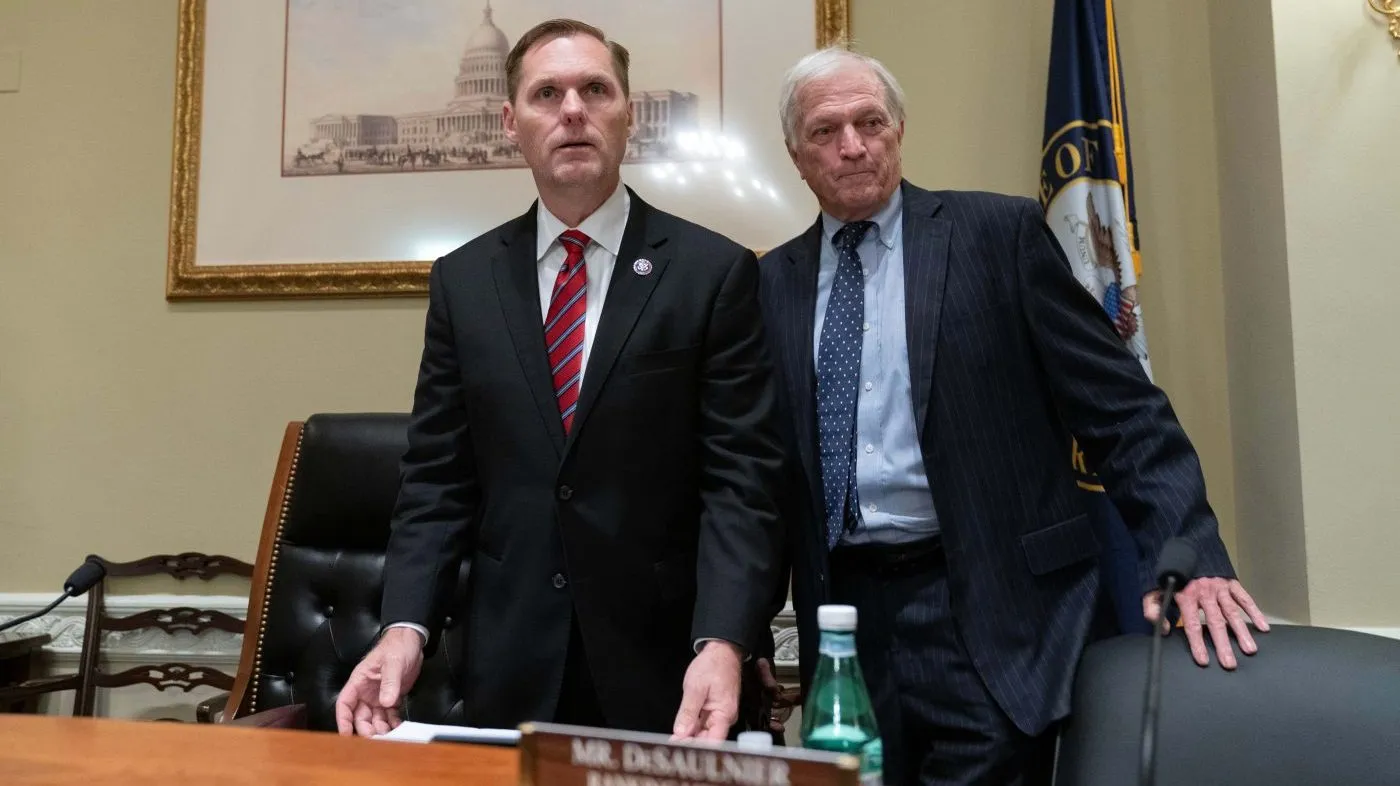
The House Ethics Committee voted Thursday to adopt a collection of rule changings seeking to expedite sexual misconduct investigations within the lower chamber and increase transparency throughout the process.
The panel unanimously passed the changes, which include granting its leadership subpoena authority, streamlining deadlines for respondents to address an investigative subcommittee’s findings and codifying its “policy of publicly disclosing any findings that a Member engaged in sexual harassment or other sexual misconduct.”
“We believe that these rule changes will provide more transparency. They will expedite our investigative process while maintaining protections for witnesses and victims, while also making sure that the process for the members themselves who are under the purview of this committee, that that due process is protected,” Rep. Michael Guest (R-Miss.), who chairs the committee, said in the public session before the vote.
Lawmakers from both parties have called for faster Ethics Committee investigations into sexual misconduct as a string of high-profile cases involving House members intensified scrutiny of the panel’s often-secretive process.
One of the more recent prominent cases involved outgoing Rep. Cory Mills (R-Fla.), whose ex-girlfriend accused him of harassment and threatening to release explicit images of her. Another woman Mills dated initially told police he assaulted her in February 2025 before recanting.
Mills, who is leaving his post in January after losing in his state’s GOP primary, has denied all allegations of wrongdoing. The Ethics panel has been investigating him since November 2025.
The Ethics Committee also said earlier this year it was investigating reports that Rep. Jimmy Gomez (D-Calif.) violated House rules by “engaging in inappropriate sexual contact with a House staffer.” Gomez told The Hill in an August statement his actions “were consensual in nature and haven’t violated the law or House Ethics rules.”
Former Reps. Tony Gonzales (R-Texas) and Eric Swalwell (D-Calif.), who had both been accused of sexual misconduct, were under investigation when pressure to resign from both sides of the aisle contributed to their departures from Congress in April.
And more recently, House lawmakers voted to censure Rep. Chuck Edwards (R-N.C.) in September after a damning Ethics report found he demonstrated “persistent unprofessional and inappropriate conduct towards two young female staffers.” Edwards dropped his midterm reelection bid after the panel released its findings.
Rep. Mark DeSaulnier (D-Calif.), the House Ethics Committee’s ranking member, said he hopes the rule changes will reinforce the committee’s “commitment to the integrity of the House of Representatives on sexual harassment.”
“We’re hoping that all of these changes will reflect positively on the committee, and they should, and our staff, but also in the House as we do these improvements and look at further ways to make sure that the process is fair, transparent, and people are held accountable,” he added.
Topics in this story
Gathered from external sources. Rights to this text belong to whoever originally published it.