Senate approves key permitting reform bill, sends to House
The Senate on Thursday passed a major bill that seeks to speed up the buildout of the nation’s energy and infrastructure — taking a massive step toward the bill becoming law. The vote was passed by a vote of 62-33. The bill, called the Bipartisan American Affordability and Jobs Act (BAAJA), seeks to address longstanding…
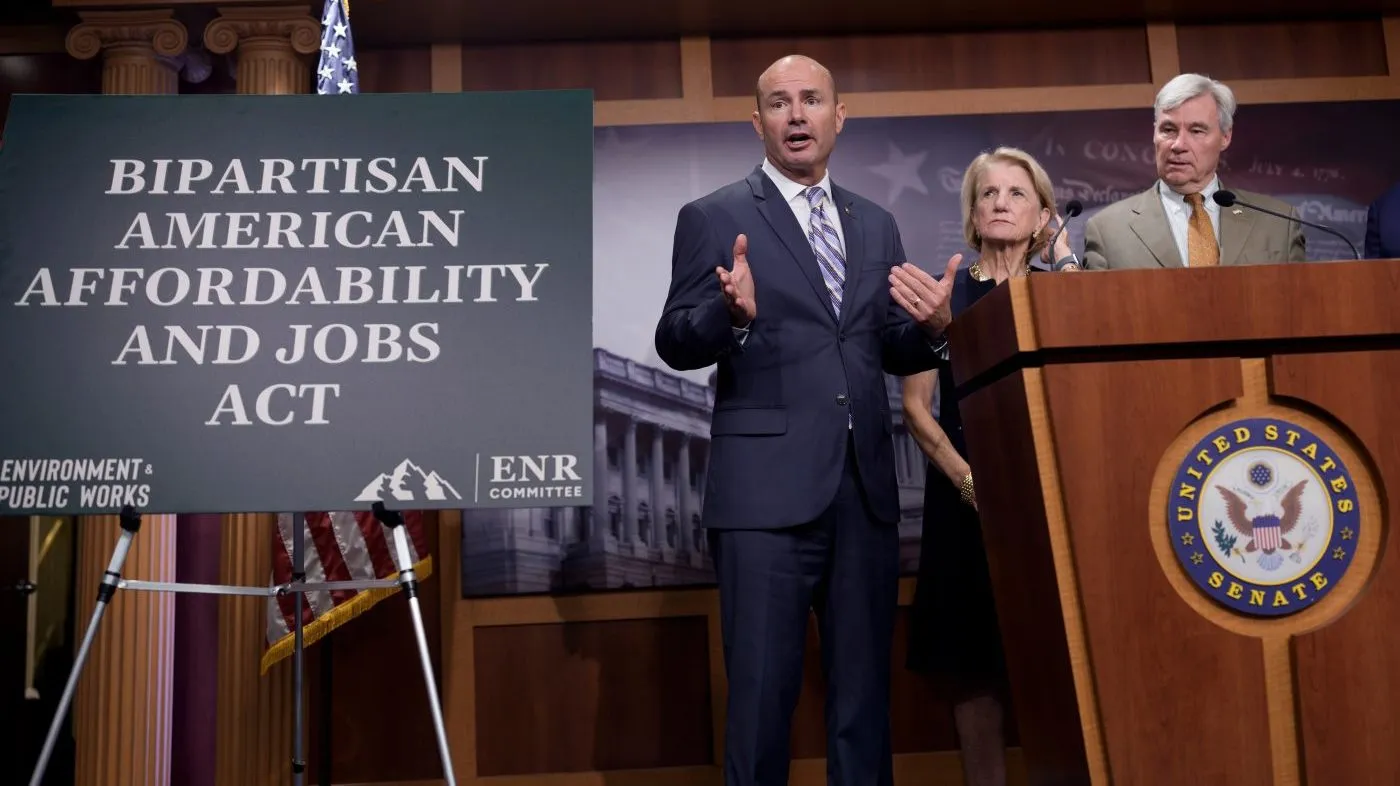
The Senate on Thursday passed a major bill that seeks to speed up the buildout of the nation’s energy and infrastructure — taking a massive step toward the bill becoming law.
The bill, called the Bipartisan American Affordability and Jobs Act (BAAJA), seeks to address longstanding complaints from various industries that it takes too long to build in the U.S.
Its supporters say the bill will help the U.S. economy by allowing a much faster buildout of infrastructure, including on energy. They argue that through benefits to renewable power, the legislation will also bring down the nation’s planet-warming emissions.
Opponents say that the bill would be bad for the environment as it bolsters fossil fuels and mining, loosens environmental laws and limits the ability of a project’s opponents to challenge it in court.
The legislation now heads to the House, where it’s also expected to have significant bipartisan support – although Democrats are split on the legislation. The White House is backing the legislation, and it has issued a statement of support saying the bill “would remove major obstacles to building the infrastructure we need in this country.”
In the House, the Democratic caucus is divided on the bill, with progressives opposing it on environmental grounds while many more moderate members have expressed support. Meanwhile, the bill also appears to have significant Republican support – although at least one powerful Republican has said he’d like to see some changes to the legislation .
It also contends with a crowded lame duck calendar, including the potential for a lapse in federal funding without congressional action.
The bill aims to improve the nation’s ability to build power lines, which is key to helping renewable energy projects get onto the grid, including by allowing federal regulators to approve the lines if states don’t act on them.
It also contains provisions that seek to prevent presidents from yanking existing permits from energy of all types — combating President Trump’s ability to block already-approved wind projects and moves made by Democratic presidents, such as revoking approval from the Keystone XL pipeline.
It also allows project developers to sue the government if they can demonstrate a pattern of disparate treatment of certain energy sources.
BAAJA also exempts certain activities, including expansions to natural gas pipelines, from environmental reviews and limits those reviews to only alternatives that meet the goal of a project’s sponsor company.
It additionally restricts lawsuits against projects by mandating that they be filed within 150 days of a project’s approval and only allows people who weighed in during a formal public comment period to sue.
And it seeks to rein in increased electricity costs from large data centers, forcing them to pay for any costs stemming from their high electricity demand. However, these facilities may also benefit from the general provisions that seek to help industry build.
Topics in this story
Gathered from external sources. Rights to this text belong to whoever originally published it.