Why 90 percent of US baby formula lawsuits landed in two Illinois counties
IRather than a case built on sound science, plaintiffs’ lawyers built a business model whose cornerstone is a friendly courtroom that can deliver what the evidence does not.
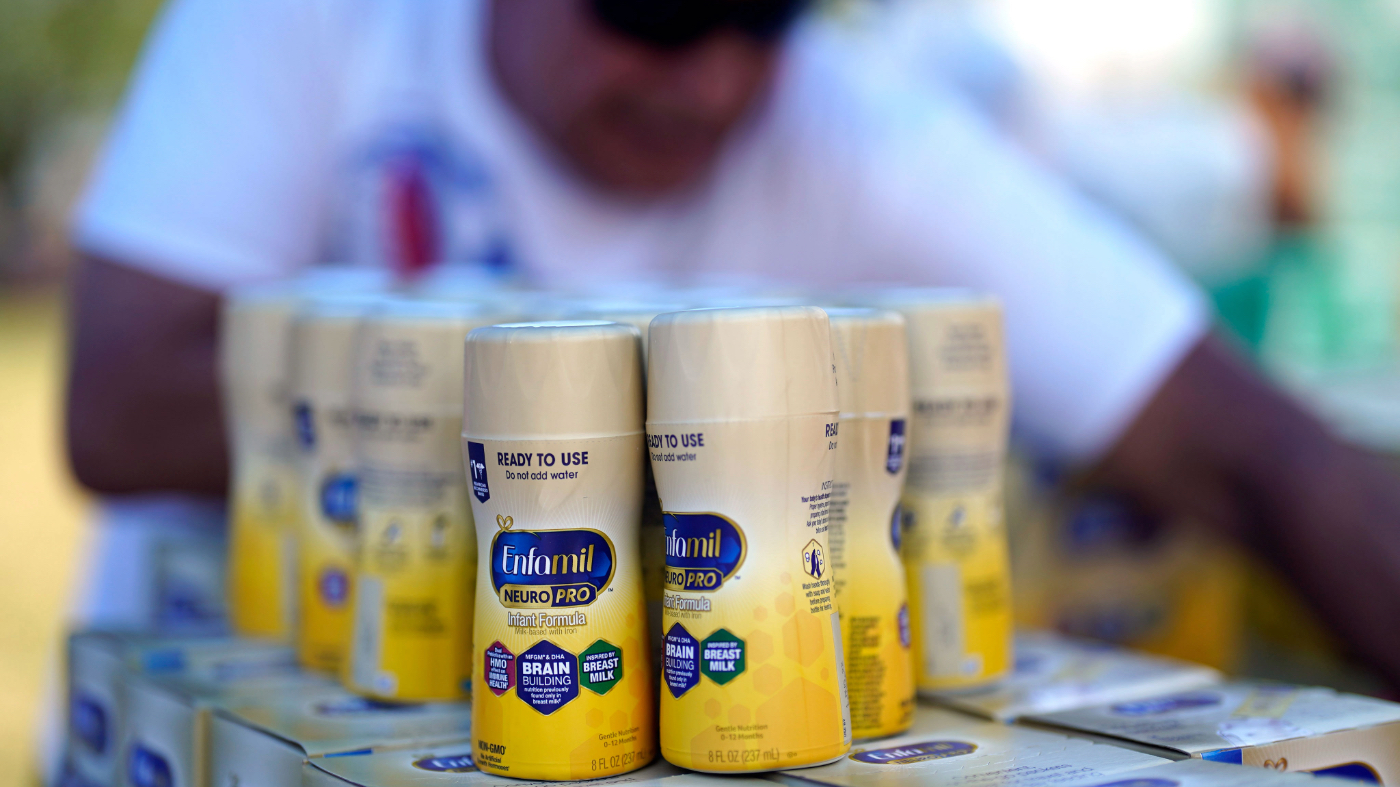
Lawsuits against infant formula manufacturers have surged in recent years, alleging that specialized preterm formula causes necrotizing enterocolitis, a serious intestinal disease that strikes premature babies. This month, the first federal bellwether trial of the multi-district litigation reached a verdict : The jury heard the plaintiff’s evidence, weighed it and found that the prescription formula had not caused the infant’s untimely death.
Every one of these cases begins with a family that lost a child or nearly did, which is of course always devastating. But the most revealing pattern in this litigation has nothing to do with medicine. It has to do with geography: not with where these tragedies occurred, but with where the lawsuits are filed.
Roughly 90 percent of the nation’s baby formula claims have been filed in two Illinois counties: Madison and St. Clair. Both sit across the Mississippi River from St. Louis, with a combined population of just over 500,000.
Later this fall, the U.S. Supreme Court will consider whether to take up the question at the heart of that concentration: how state courts may reach in dragging out-of-state companies before its judges.
The cases piled into those two courthouses have almost no connection to them. The infants were not treated there. The families do not live there. In the case now before Supreme Court justices, the manufacturer moved its operations from Illinois to Indiana in 2018, but an Illinois court said it could still be sued there anyway, on any claim, by any plaintiff, indefinitely.
So why these two Illinois counties? Because the plaintiffs’ bar has done the math. Madison and St. Clair, along with Cook County, are ranked the seventh worst “ Judicial Hellholes ” in the nation by my organization’s foundation, the American Tort Reform Foundation. Their courts are known for lax standards on expert testimony, plaintiff-friendly rules for allocating fault, nearly limitless damages and juries with a history of returning multi-million-dollar nuclear verdicts. The same two counties already draw nearly half of the nation’s asbestos filings.
Trial lawyers know exactly where the hot spots are, and they file accordingly. The results bear them out. In federal court, where more than 800 baby formula cases are coordinated before a single judge under consistent and heightened evidentiary standards, the first case to reach a jury ended in a verdict for the defense.
In other Judicial Hellholes, juries have returned $495 million against Abbott in St. Louis and $70 million against the same company in Cook County this spring. The cases all involve the same science and same defendants, but they have wildly different outcomes. That is not a coincidence — rather, it is a strategy in pursuit of jackpot justice.
Illinois, unfortunately, shows no sign of correcting itself. The state’s highest court offers very little backstop and granted appeals in just 6 percent of cases in 2024. That is why this case has now gone to the U.S. Supreme Court’s docket instead. Illinois Gov. J.B. Pritzker also signed legislation last year opening his state’s courtrooms to even more lawsuits from across the country, further cementing its plaintiff-friendly reputation as a litigation hotspot.
This specialized formula for premature infants is typically only available in hospitals as prescribed by a provider. It is made by a handful of manufacturers, and every dollar drained into defending claims like these is a dollar not spent making it, improving it or keeping it on the shelf.
It is also safe. The American Academy of Pediatrics and other pediatric health experts continue to say that preterm infant formula is “indispensable,” “an essential, and often life-saving, instrument of neonatal care,” and that these lawsuits “ may jeopardize the availability of these formulas. “
Members of Congress also voiced concerns about supply issues in a bipartisan, bicameral letter late last year. American families who lived through the 2022 formula shortage do not need another supply shock layered onto an affordability crisis. Grieving families deserve better than to be treated as inventory and should not be exploited and preyed upon by trial lawyers searching for their next nuclear verdict.
Rather than a case built on sound science, plaintiffs’ lawyers built a business model whose cornerstone is a friendly courtroom that can deliver what the evidence does not.
It is now up to the Supreme Court to stop predatory trial attorneys from taking advantage of out-of-balance state judicial systems and provide the clarity and consistency needed to operate and keep a critical product available for families who need it. A lawsuit should be filed in the court with the greatest connection to the parties involved — not where a trial lawyer’s map says the verdicts run biggest.
Lauren Sheets Jarrell is vice president and counsel for civil justice policy at the American Tort Reform Association.
Topics in this story
Gathered from external sources. Rights to this text belong to whoever originally published it.