DC, Virginia sue to block Trump’s triumphal arch
Washington, D.C., and Virginia sued the National Parks Service and Interior Department to block President Trump’s proposed triumphal arch on Saturday, a new court filing shows. The planned arch would resemble arches in other cities, including Paris’s Arc de Triomphe, and be constructed on the border between D.C. and Virginia. In the court filing, the…
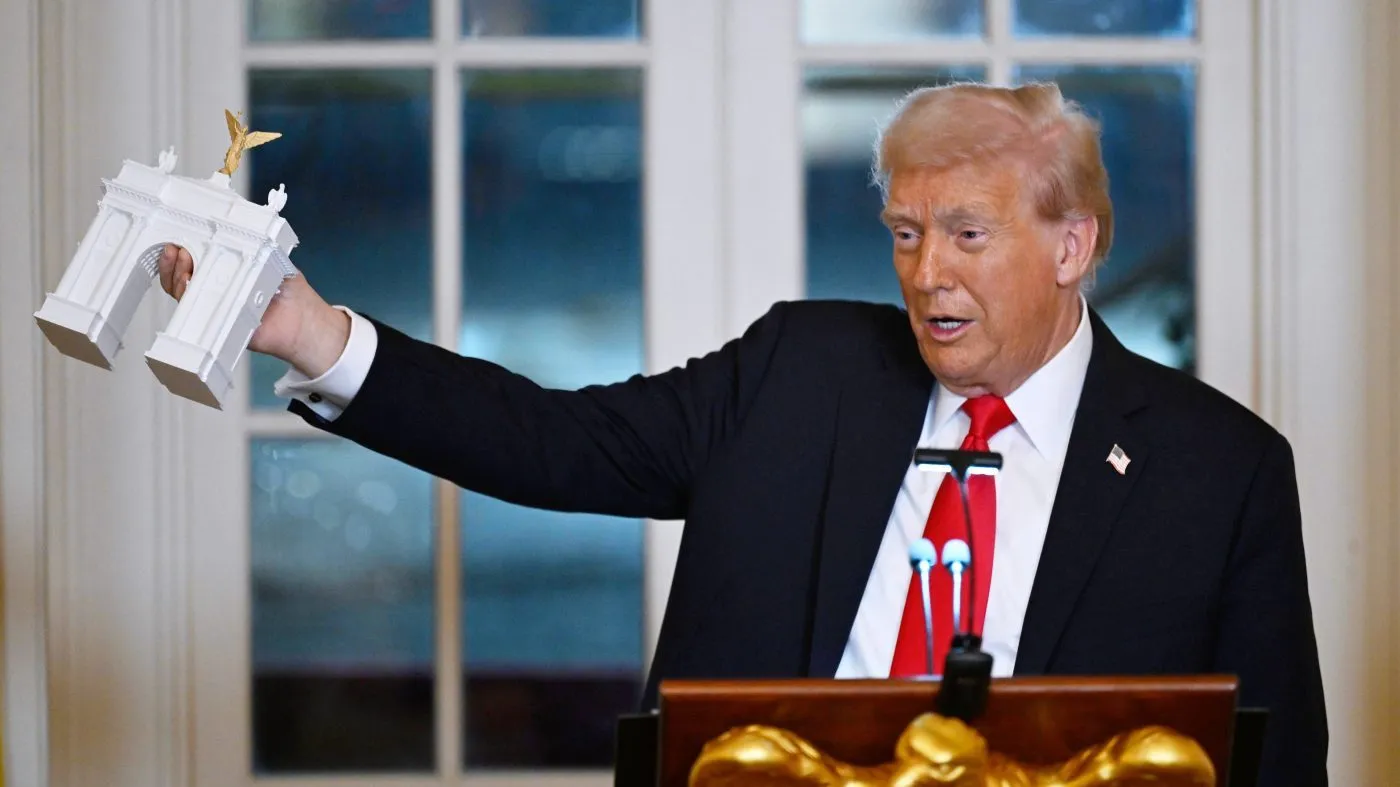
Washington, D.C., and Virginia sued the National Parks Service and Interior Department to block President Trump’s proposed triumphal arch on Saturday, a new court filing shows.
The planned arch would resemble arches in other cities, including Paris’s Arc de Triomphe, and be constructed on the border between D.C. and Virginia.
In the court filing, the plaintiffs call the arch “flagrantly unlawful” because Trump did not seek congressional authorization to construct the project.
“In their rush to break ground on the Arch, Defendants have made only half-hearted gestures at complying with these requirements,” the lawsuit reads. “Perhaps recognizing that the project is legally indefensible, Defendants have made clear that they will attempt to outrun judicial review.”
The president has pushed forward with his efforts to renovate Washington despite frequent lawsuits and a lack of congressional authorization. One particular case involved the White House ballroom, in which the East Wing was demolished and construction on the ballroom began immediately.
When sued over the project, the Supreme Court ruled in the Trump administration’s favor after Trump argued the ballroom construction needed to continue for national security purposes.
The plaintiffs in Saturday’s lawsuit say they hope to avoid a similar situation with the arch.
“It is entirely foreseeable that, once construction begins, Defendants will argue—as they have done in other cases—that an order halting construction would irreparably harm the federal government, pose security risks, and impermissibly alter the status quo they have unilaterally created,” the lawsuit reads.
In a statement to The Hill, Virginia Attorney General Jay Jones called the project “an affront” to Arlington National Cemetery, where the arch would be located.
“President Trump’s illegal vanity project is an affront to this hallowed ground and the extraordinary sacrifices it represents,” Jones said. “The Commonwealth has a solemn duty and a profound interest in preserving the dignity of this sacred place.”
D.C. Attorney General Brian Schwalb said the lawsuit was filed to prevent “irreparable harm” to the District.
“Construction of the Arch is flagrantly illegal and will cause serious, immediate, and irreparable harm to the District and its residents,” Schwalb said in a statement to The Hill. “We’re filing this lawsuit now to protect DC’s unique interests and critical role in preserving the safeguards that keep our nation’s capital beautiful and safe.”
The Parks Service did not immediately respond to The Hill’s request for comment.
The proposals for the arch at one point included military plans , as Trump said it would be used for snipers and drones, though the final plans submitted to the city did not include the military complex.
Arlington County, Va. previously sued the Trump administration to block the arch in early October.
Topics in this story
Gathered from external sources. Rights to this text belong to whoever originally published it.