DC, Maryland members seek to prevent permanent fencing at Capitol complex
District of Columbia Del. Elanor Holmes Norton (D) and Sen. Chris Van Hollen (D-Md.) announced legislation Tuesday barring permanent fencing around the Capitol, arguing the complex should remain open and accessible to the public. The “No Fencing at the United States Capitol Complex Act” comes after the Jan. 6, 2021, attack prompted officials to erect…
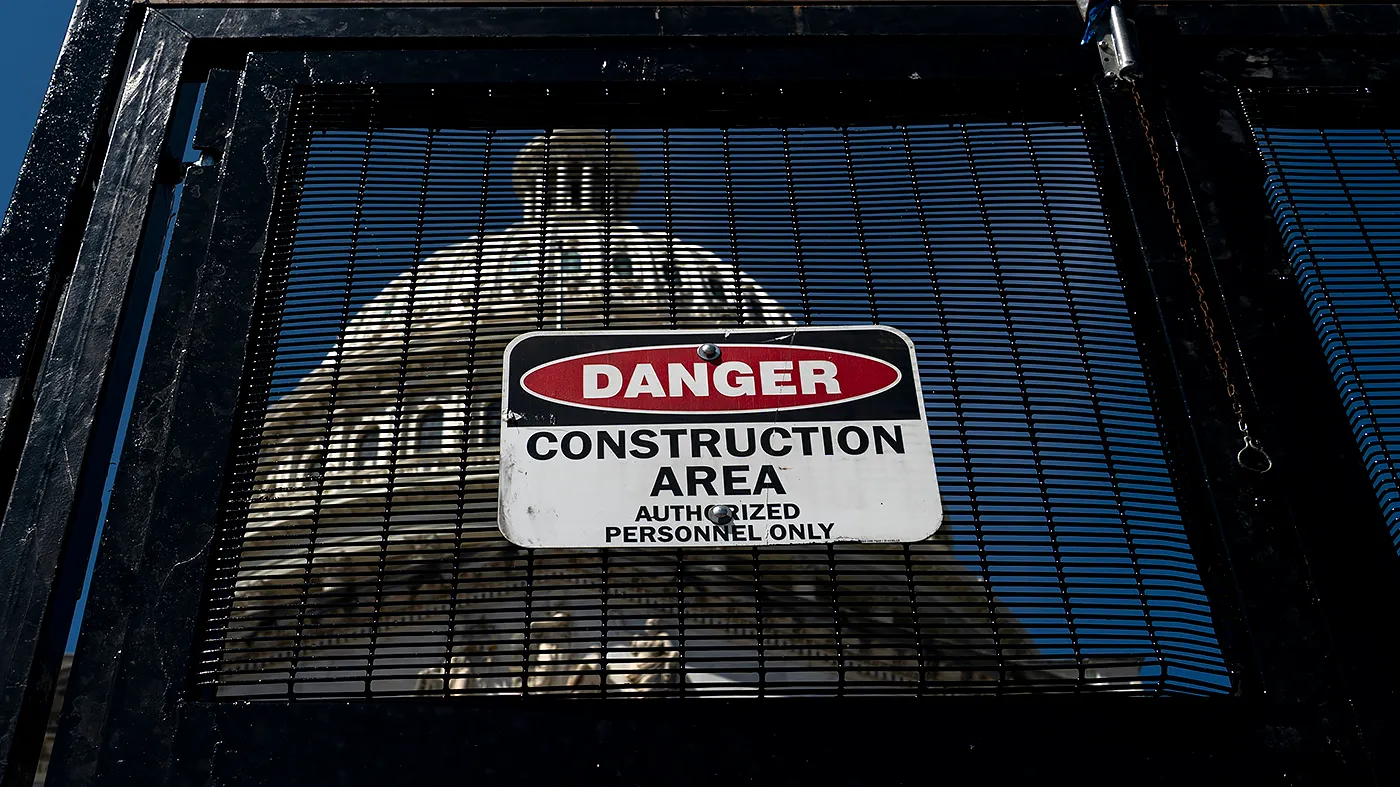
District of Columbia Del. Elanor Holmes Norton (D) and Sen. Chris Van Hollen (D-Md.) announced legislation Tuesday barring permanent fencing around the Capitol, arguing the complex should remain open and accessible to the public.
The “No Fencing at the United States Capitol Complex Act” comes after the Jan. 6, 2021, attack prompted officials to erect a security fence around the grounds.
The fence remained for six months, and officials at the time considered installing a permanent barrier as part of broader security improvements.
Norton, who announced her retirement earlier this year, has long opposed permanent fencing, arguing that such a barrier would not adequately address security threats and only create more distance between Americans and their government.
“Permanent fencing would send an un-American message to the nation and the world, transforming the Capitol from a place that’s accessible to the people it serves into a fortress that locks them out,” she said in a statement.
“The answer to security vulnerabilities is not a crude barrier that makes the Capitol look safer while doing little to address the threats,” she added.
Norton instead called for investments in intelligence, technology, training and other security measures to protect the Capitol, while preserving its accessibility.
“At a time when trust in government is at historic lows, the last thing we should do is put another physical and psychological barrier between the people and the government that serves them,” she said.
Norton also argued that the permanent fencing could affect the residential neighborhoods and disrupt businesses surrounding the Capitol.
In the months after the Jan. 6 attack, fencing and other security measures blocked streets around the complex and forced some nearby residents to take alternate routes.
“Public property should be open to the public,” Norton said.
Van Hollen, who sits on the Senate Appropriations Committee, said, “We can protect the Capitol without walling it off to the public.”
“This legislation would ensure this complex never becomes a fortress where the American people are left on the outside looking in,” the Maryland Democrat said.
Topics in this story
Gathered from external sources. Rights to this text belong to whoever originally published it.