Americans warned to reconsider travel to Saudi Arabia
The U.S. Embassy in Riyadh on Wednesday warned Americans to reconsider traveling to Saudi Arabia amid the threat of Iranian drone and missile strikes targeting U.S. assets in the country. Embassy officials shared this in a Level 3 travel advisory that also warned of threats of “armed conflict, terrorism, exit bans, and local laws regarding social…
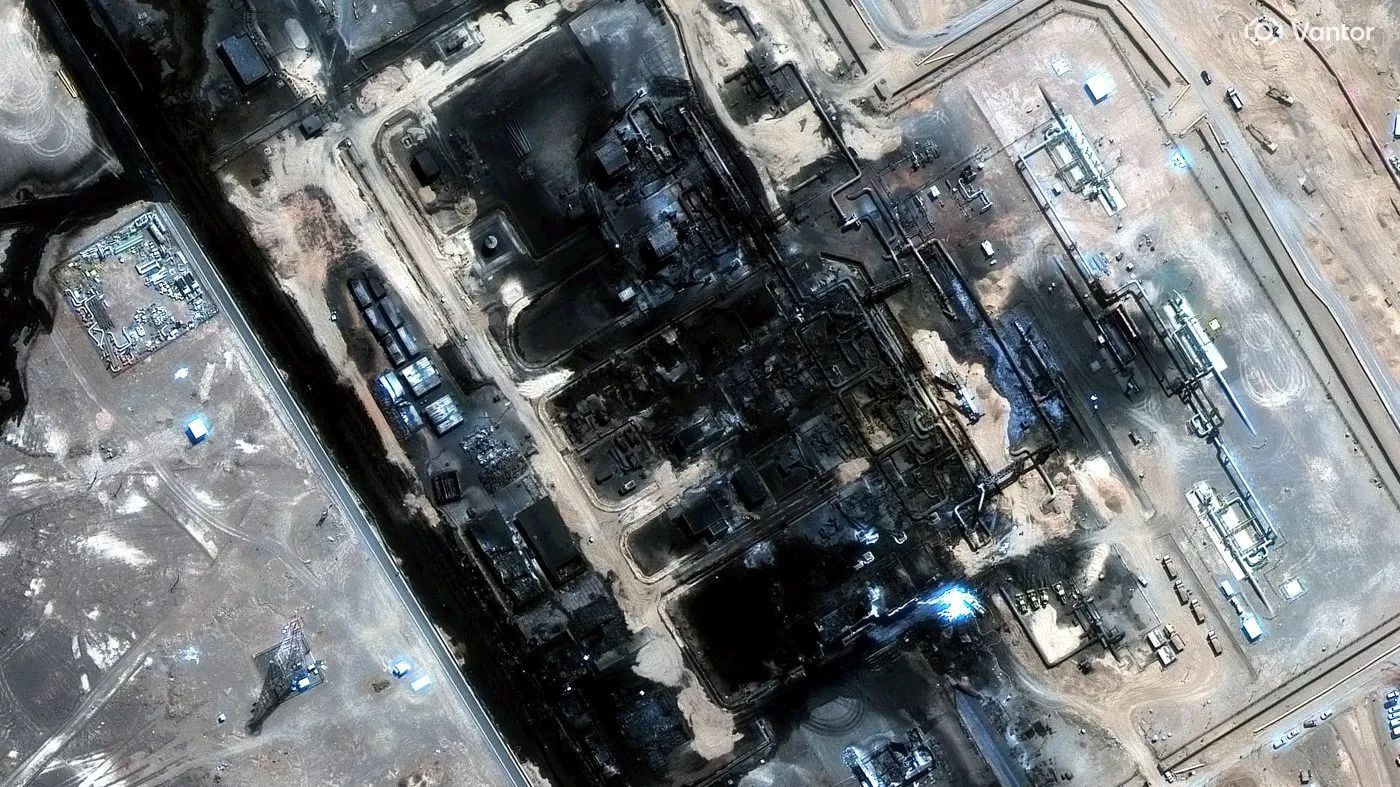
The U.S. Embassy in Riyadh on Wednesday warned Americans to reconsider traveling to Saudi Arabia amid the threat of Iranian drone and missile strikes targeting U.S. assets in the country.
Embassy officials shared this in a Level 3 travel advisory that also warned of threats of “armed conflict, terrorism, exit bans, and local laws regarding social media activity,” with some areas facing an increased risk. They urged that no one travel to the border with Yemen due to terror threats.
“Terrorism is a concern in Saudi Arabia,” the advisory reads. “Attacks can occur with little or no warning, especially around holidays. They can involve knives, firearms, and vehicles. Terrorists may use violence to respond to direct attacks against them or other military operations in the region.”
Along with the threat from Iran, the embassy said the regime’s proxy in Yemen, the Houthis, has renewed threats to attack Saudi Arabia.
Officials advised that U.S. government employees working in Saudi Arabia are not allowed to travel within 20 miles of the border with Yemen or to the Persian Gulf city of Al Qatif “for non-essential travel due to safety risks.”
These risks extend to the provinces of Jizan, Asir, Najran and Qatif, though employees must have special authorization to travel to these regions.
Last Friday, the Houthis attacked Saudi Arabia’s 745-mile-long East-West Pipeline, a vital pipeline that has moved crude production from the Persian Gulf ports to the port of Yanbu on the Red Sea, where tankers can export oil.
Saudi officials shut down the pipeline, which could take 3-5 weeks to prepare. The pipeline moved a weekly average of 2.6 million to 4 million barrels a day since late August.
Oil prices jumped 4 percent on Monday and have remained steady two days later. The global benchmark for crude oil, Brent crude , settled at $105.49 per barrel as of Wednesday afternoon. West Texas Intermediate (WTI) , the benchmark in the U.S., rose to $102.05. AAA estimated that the national average for gas in the U.S. is $4.37.
The price hikes have also followed Iran’s closure of the Strait of Hormuz, where roughly 20 percent of the world’s oil is exported.
President Trump has not spoken out about this attack or other attacks on key energy pipelines and reportedly rebuffed a request from Saudi Arabia to launch strikes on the Houthis. The U.S. has sent advisers to support the kingdom.
Trump previously authorized strikes on the Houthis in March 2025 after the rebels attacks commercial vessels in the Red Sea. He warned in July that he would “ hold Iran responsible ” if the Houthis launch more attacks on ships in the Red Sea after two Saudi oil tankers were attacked.
Topics in this story
Gathered from external sources. Rights to this text belong to whoever originally published it.