The West must win its future wars and not just battles
Let us verify that China and Russia are indeed the threats we believe they are before taking any future action we may regret.
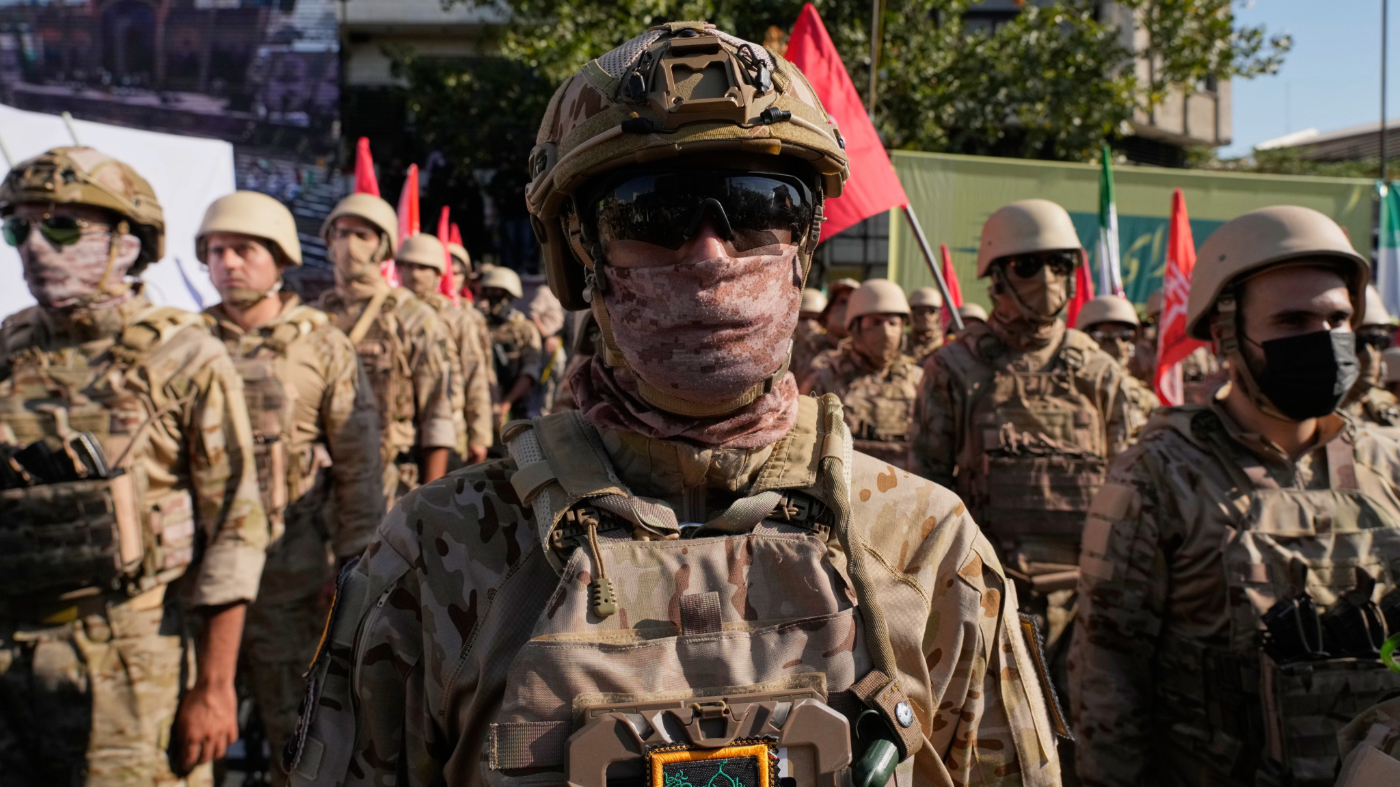
Last week, the London Defense Conference came to Washington for a second year. Founded in 2022 in response to Russia’s invasion of Ukraine, the event “is committed to strengthening defense in the light of evolving threats from authoritarian regimes.”
This year’s topic was winning future wars, and the unanswered questions remain. Can the West and the U.S. prevail in current and future conflicts? The record beyond winning the Cold War — if it was really won, or if the Soviet Union imploded under the reform efforts imposed by Mikhail Gorbachev — is unimpressive .
The war in Iran is proving disastrous for the United States. Despite extraordinary heroism and endurance, can 29 million Ukrainians stave off the assaults of Russia, which has a population of over 140 million and has so far sustained 1.5 million killed and wounded?
The West’s only real victory was Britain’s defeat of Argentina in the 1982 Falklands War . Prime Minister Margaret Thatcher ordered Operation Corporate to sail 6,000 miles to reoccupy a relatively small collection of islands in the South Atlantic that had been seized by Argentina.
Of course, the world has changed. Warfare has been transformed, and the battlefield has been equalized by drones, missiles and artificial intelligence. Militarily weak states and groups now possess formidable capabilities that, so far, can only be countered by very expensive weapons. For example, a relatively cheap ballistic missile can be destroyed by the U.S. Navy’s SM-3 missile . But that missile costs over $27 million.
To deal with battlefields irrespective of locale, cheaper weapons and uncrewed systems have assumed a high priority. In the spirit of the old saying, never send a man where you can send a bullet; unmanned surface, sub-surface and aviation units will save lives.
But what happens when uncrewed weapons systems approach the costs of manned systems? And while unmanned drones can save lives, these systems are also Ukraine’s most dangerous battlefield killers.
The conference began a dialogue that the U.S. must consider. I have written before about why the U.S. has lost every war it started since the end of World War II. No matter the political party in charge, the causes were the same.
While each party was a contributor, defeat arose from a lack of knowledge and understanding about how military force can achieve a strategic outcome. Hubris in the belief that American military superiority would prevail, transposing our views on what we believed an enemy would do instead of what they actually did, political expediency and crippling bureaucracy all contributed.
From Vietnam, where Lyndon Johnson said the U.S. fought an imminent threat from communism, to Iraq, where Saddam Hussein did not have weapons of mass destruction, the reasons for going to war proved dead wrong.
In Afghanistan, hunting Osama bin Laden became nation building — a mission impossible. And in attacking Iran, the administration did not anticipate the near-certain threat of Iran closing the Strait of Hormuz, or Tehran attacking U.S. allies in the Gulf and expanding the war to Yemen .
Both Republican and Democratic administrations were guilty of errors. How can we reduce the chances that future administrations do not repeat these blunders? Currently, China is the main U.S. adversary. America’s aim is to defend Taiwan from an invasion despite its policy of strategic ambiguity.
Europe is fearful that after Ukraine, Vladimir Putin may attack west, seizing one of the Baltic states or a nearby island, even Svalbard off Norway’s coast. But are these fears exaggerated, like the threat of a monolithic Communist threat in the 1960s, Iraqi weapons of mass destruction and possibly Iran’s pursuit of nuclear weapons? While we may never have absolute answers, analyzing the possibilities is essential.
As Ronald Reagan said , “trust, but verify.” Let us verify that China and Russia are indeed the threats we believe they are before taking any future action we may regret.
Harlan Ullman is chairman of a private company and principal author of the doctrine of shock and awe. His next book, co-written with Field Marshal The Lord David Richards, former United Kingdom chief of defense, is “Who Thinks Best Wins: How Decisive Strategic Thinking Will Prevent Global Chaos. “
Topics in this story
Gathered from external sources. Rights to this text belong to whoever originally published it.