New bill would restrict SNAP benefits in 9 states. Here’s what could be cut
A new law introduced in the House this month would add more restrictions to what types of food SNAP recipients can buy with their monthly benefits.
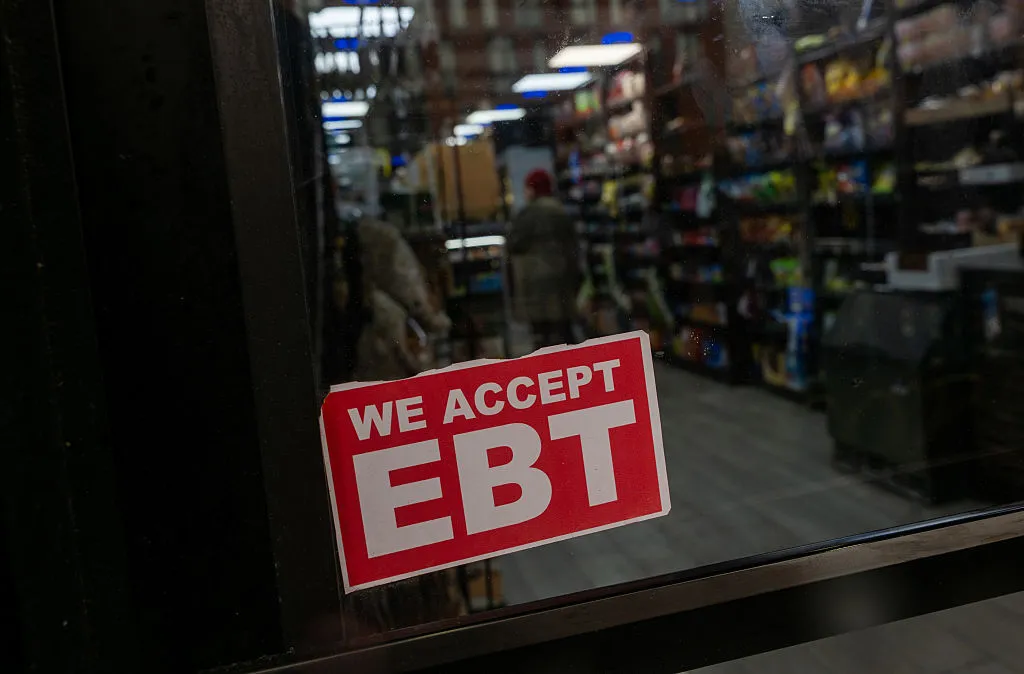
Related video above: SNAP error rates could change benefits
(NEXSTAR) – A new law introduced in the House this month would add more restrictions to what types of food SNAP recipients can buy with their monthly benefits.
The Supplemental Nutrition Assistance Program (SNAP) helps about 37 million Americans buy food, mostly in the form of groceries. But in nine states, some SNAP beneficiaries who have a hard time preparing fresh food for themselves can also use their EBT cards to buy hot meals from approved restaurants.
A new bill, introduced by Rep. Brandon Gill (R-Texas) , would eliminate that option.
The bill would eliminate SNAP’s Restaurant Meals Program (RMP), which states can opt in to. The program is meant to help people who can’t easily cook, or don’t have permanent housing, get access to food.
California, one of the select states where the Restaurant Meals Program is currently operating , says RMP targets “people that are a high risk for chronic hunger,” like those with disabilities or the homeless.
Not everyone can sign up for RMP and not every restaurant is an approved vendor. In order to qualify, SNAP recipients must be either elderly, disabled, homeless or the spouse of an RMP participant.
Only nine states have currently operating Restaurant Meals Programs, according to the USDA: Arizona, California, Illinois, Maryland, Massachusetts, Michigan, New York, Rhode Island and Virginia.
The bill, titled “Ending Restaurant Purchases with SNAP Act of 2026,” would amend federal law to cut the program entirely. Rep. Gill described RMP as a “loophole” that allows federal benefits to be spent on unhealthy food.
“SNAP is supposed to help struggling Americans put nutritious food on the table, not stick taxpayers with the bill for fast food,” Rep. Gill said in a statement to Newsweek . “More than half a billion dollars in SNAP benefits have gone to restaurants through this loophole in just two years while the Trump administration is working to get junk food out of the program. My bill ends this ridiculous loophole and makes sure SNAP dollars are used for what the program was created to do: help Americans afford nutritious groceries.”
The second Trump administration has placed increasing focus on what types of food SNAP dollars can and can’t purchase as part of its push to “Make America Healthy Again.” Twenty-three states had been granted waivers to bar SNAP recipients from spending the federal dollars on things like soda, energy drinks and candy before a judge struck down the new restrictions in June.
Critics say the added restrictions unnecessarily stigmatizes the food choices of low-income Americans.
“It’s an opportunity to say you’re doing something, while really just stigmatizing a single group of people for choices that everybody in America really makes,” Chris Bernard of Hunger Free Oklahoma told Nexstar’s KFOR .
A different approach has been proposed in the “ Fresh Bucks for Fresh Produce ” Act, introduced in Congress in July. The legislation would establish a pilot program granting households an extra $60 a month that could only be spent on fruit or vegetables.
Both bills have been referred to the House Committee on Agriculture for consideration.
Topics in this story
Gathered from external sources. Rights to this text belong to whoever originally published it.