I worked for 3 White House press secretaries — here’s some advice for the next one
Former Reagan White House staffer Mark Weinberg offers advice to the incoming U.S. press secretary by reflecting on the lessons learned from predecessors Jim Brady, Larry Speakes, and Marlin Fitzwater.
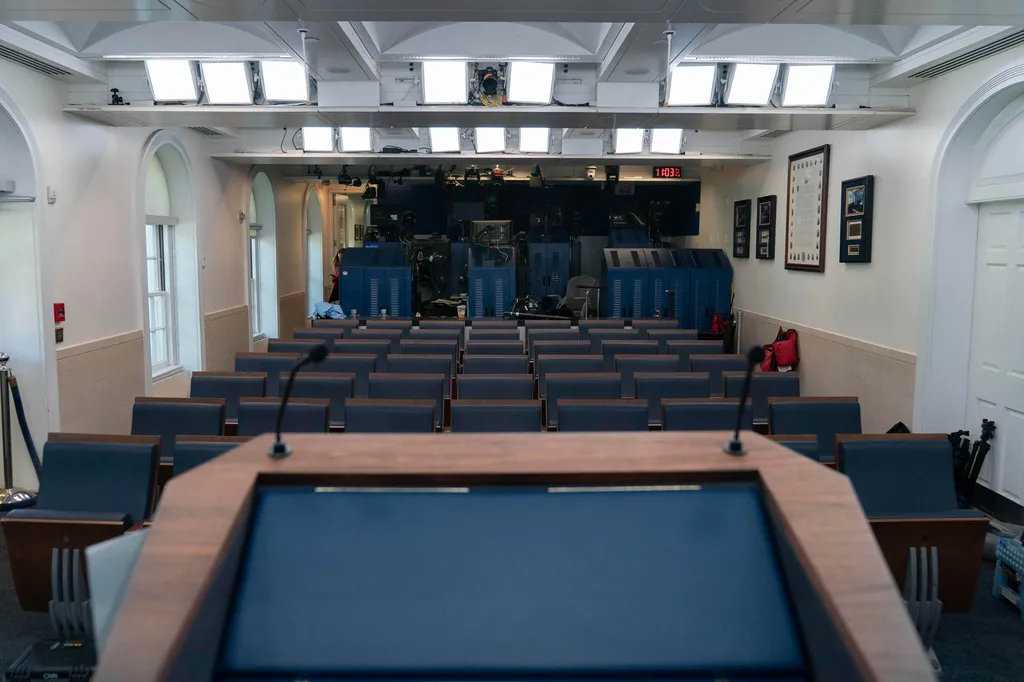
The U.S. has just watched the shortest press secretary tenure in its history: five days. Soon, someone new will stand at that podium, stepping into one of the hardest jobs in American public life — and a workplace unlike any other, because the room is named for a predecessor who nearly died doing it: the James S. Brady Press Briefing Room.
Jim Brady was a man I knew and loved. I served eight years in the Reagan White House press office. Three men held that podium in my time there, and each taught me something every press secretary needs.
Brady taught me that the press is not the enemy — it is the instrument. He held the job only ten weeks before a bullet meant for President Reagan changed his life forever, but his influence outlasted everyone’s. He was quick, funny, and utterly without pretense. The reporters who sparred with him adored him, because he understood that the briefing room is where the government explains itself to the governed, and the people asking the questions are how the explaining gets done. You can joust with the press all day; Brady did, happily. You cannot despise them without despising the arrangement itself.
A detail of history: after the shooting, President Reagan never gave Brady’s title away. For nearly eight years, Larry Speakes and then Marlin Fitzwater did the job under other titles, because “press secretary” belonged to Brady until the day the administration ended. That was loyalty — and a lesson: The job is bigger than its occupant.
Larry Speakes taught me the grind. He took the podium on the worst afternoon of the Reagan presidency — March 30, 1981, with the president in surgery and the world demanding answers — then did it for six more years. From Speakes I learned that the briefing is won in the hours before it: the morning papers, the overnight cables, the calls to every corner of the building to find out what was true before someone asked. The podium punishes the unprepared, and no amount of charm survives a guess.
Fitzwater taught me that all you have is your credibility — and that it is spent in a single transaction. He served two presidents of very different temperaments, and the press corps trusted him through both, for one reason: He never lied to them. When he couldn’t say, he said he couldn’t say. The result was that the president’s most loyal defender was also the man reporters believed — which is precisely what made his defense worth anything. A press secretary who will say anything is, professionally speaking, mute.
Here is the structural truth nobody explains on the first day: the job serves three masters. The president, who deserves a vigorous advocate. The press, who are owed straight answers on behalf of their readers. And the public, who own the presidency and are the actual audience for every word said from that podium. The three pull in different directions daily — and the only thing that lets one person serve all three is credibility. Your believability is not your asset; it is the president’s. Spend it never.
So, here is some counsel across the generations for the next press secretary, offered with genuine goodwill. Brief often — the room exists to be used. Prepare like Speakes; the questions are not the test, the facts are.
Never guess, and when you’re wrong, correct fast and plainly. Expect to learn more from the reporters than they learn from you — the good ones have covered that building longer than most of us worked in it; that’s how every press secretary starts. Be the president’s supporter — that is the job — but a supporter is not a sycophant, and the difference is the whole value of the role: an echo persuades no one, while an advocate who is believed is worth divisions. And this, from one communicator to another: Many Americans don’t love the press, and that’s fine. But never be rude to reporters on camera as a performance — contempt manufactured for the clip, to gain favor with anyone, demeans the room, and the room remembers. So does the country.
One more thing about the name on the door. Brady gave the job his body and never got to do it at full strength. The room was named to honor what he represented: the belief that the presidency explains itself — cheerfully, combatively, honestly — to a free press, because the presidency belongs to the public. I would offer this standard to any press secretary of any party, word for word, and I have no doubt Brady would too. The podium is not a shield and not a weapon. It is a promise.
To whoever takes the podium next: Welcome to the hardest job in the building. Good luck. The name on the room will be watching. It is a friendly gaze — and an exacting one.
Mark Weinberg, founder of the executive communications consultancy Ethos, served in the Reagan White House press office for eight years and later as a speechwriter for President Reagan. He is the author of the bestselling book “Movie Nights with the Reagans.” .
Topics in this story
Gathered from external sources. Rights to this text belong to whoever originally published it.