Trump is turning out Democrats, but can he still do it for the GOP?
We’re now over the hump and into the downhill slide to the end of the 2026 midterm elections. I say “end” because early voting has already begun in six states, and by the end of next week, the number will be up to 19 and counting. A mighty river of ballots, eventually more than 100…
We’re now over the hump and into the downhill slide to the end of the 2026 midterm elections. I say “end” because early voting has already begun in six states, and by the end of next week, the number will be up to 19 and counting.
A mighty river of ballots, eventually more than 100 million in all, is forming from these modest tributaries. About half will have been cast before Nov. 3, when the final deluge comes in. That’s all well and good — the pageant of democracy and all that jazz — but what people really want to know is which ballots.
Midterms are mostly a matter of subtraction. There were 155,552,842 valid ballots cast in the 2024 presidential election — about 64 percent of the voting-eligible population . In recent history, midterm turnout has tended to be about a third less than in presidential cycles, which would put this year on track for a respectable 103 million or so.
The massively high turnout of the 2020 presidential election — at more than two-thirds of eligible voters , it was the highest in the modern, post-Voting Rights Act era — can be in large part attributed to the pandemic. Not only did temporary mail-in and early voting rules make it easier for people to cast ballots, Americans were very upset in fall 2020, and when times are bad, turnout is good. Plus, people had a lot of free time on their hands.
But we can’t chalk all of the 2020 surge up to COVID-19 and the social unrest of that ugly year. That’s because the prepandemic 2018 midterm elections were an absolute barn-burner for turnout. Something like half of eligible voters participated in the Trump I midterms, about as high of a percentage that showed up in some presidential election years in the palmy days of the late 1980s and the 1990s. Good times make for bad turnout.
Turnout dropped in the 2022 midterms compared to 2018, ticking down to about 45 percent — but still well ahead of the laughably low 34.4 percent in 2014. Basically, 2022 showed the American electorate getting back to its normal midterm turnout, which has typically bounced around in the low 40s. Indeed, the story of the 2010s is a very typical midterm boom-and-bust cycle.
Then-President Obama won big in 2008, sweeping many red-state Democrats along with him. Many in the Obama coalition, including a big chunk of new voters, sat out the 2010 midterms and Republicans took back all they had lost and then some. Obama had a solid, but less sweeping win in his 2012 reelection. It was still enough to help pare back some of the GOP’s midterm gains. Then in 2014, the bottom dropped out for Democrats. Though 2010 is remembered for the Tea Party wave and the massive House gains for Republicans — the most for any party since World War II — it was actually 2014 when Republicans hit their highest heights.
The 30-seat GOP House majority and a jaw-dropping nine Senate seat flips — the most since 1946 — were the result of many factors, but none so much as the fact that so many Democrats and Democratic-leaning independents stayed home. That rock-bottom 2014 turnout number was a great big shrug emoji from the Obama coalition. It was a foreshadowing of the 2016 presidential election in which turnout lagged and a Republican pulled off the most astonishing upset in presidential politics since at least then-President Truman’s 1948 comeback.
Democrats, whether they were disillusioned by eight years in power, dissatisfied with their own nominee or complacent because the Republicans had nominated a foul-mouthed reality show host, dropped the ball.
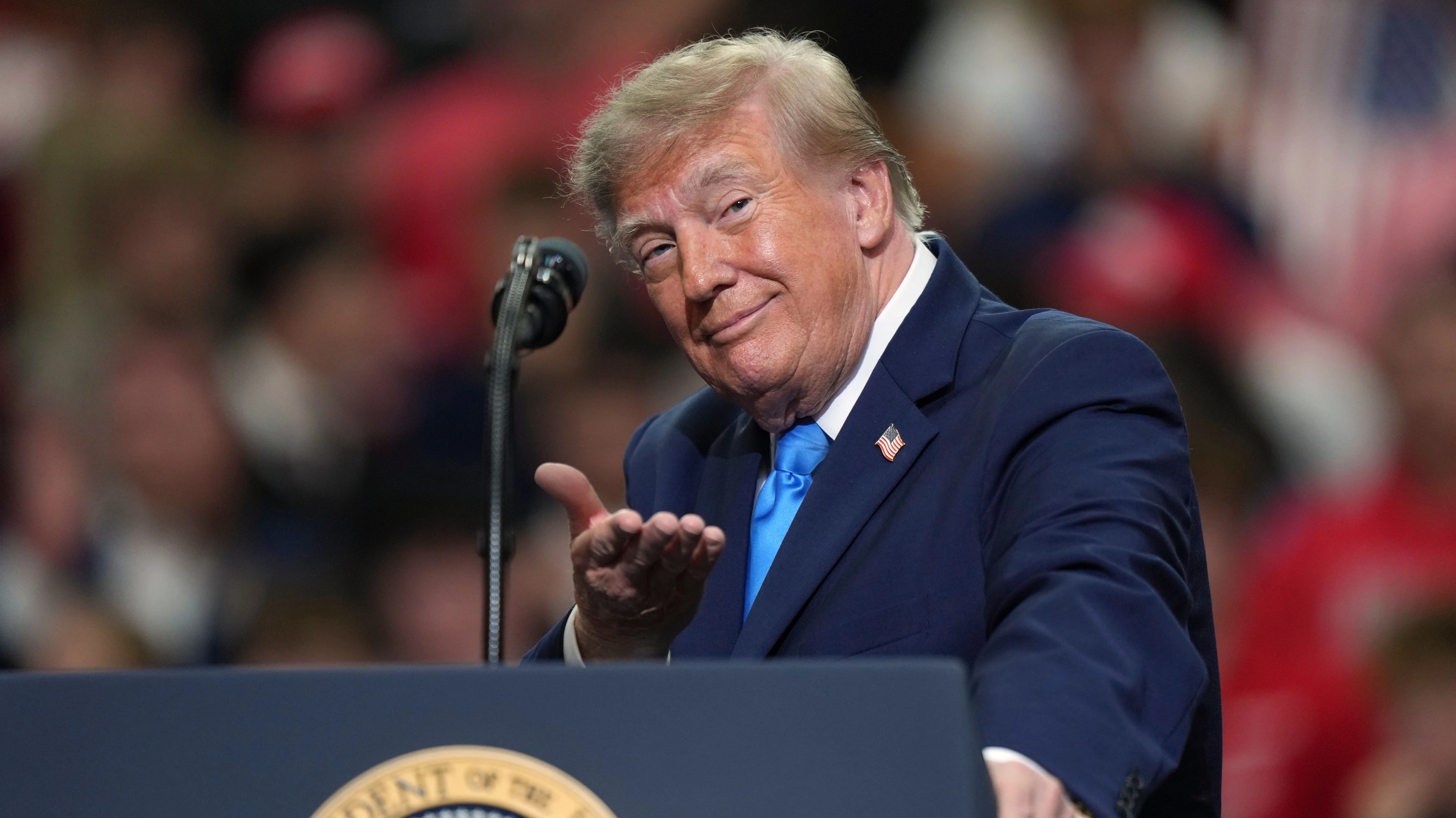
After his first election, President Trump has been the greatest vehicle for voter mobilization in our lifetimes. That first win would have been a fluke, if not for the fact that once he had power, Trump and Trumpism profoundly affected voter intensity. Unfortunately for Republicans, that applies to both parties. The simplest way to understand the turnout surge since 2018 is that Trump brings voters out of the woodwork: lower-propensity, mostly white working-class voters who love the guy and the college-educated, high-propensity suburbanites who hate him like God hates sin.
So how will that work in the sixth and final election of the Trump era?
Republicans know that if there’s a typical dropoff — say 42 million fewer votes than two years ago — the absent voters will disproportionately be members of their party and sympathetic independents. This is why the president is raiding the federal treasury to run campaign ads for himself, sending checks to voters and promising much bigger payouts if Republicans stay in power. He’s barnstorming red states and, as promised, running like he’s on the ballot himself.
The scenario Republicans most fear is one in which there’s a second-midterm dropoff for Trump’s coalition like the ones that afflicted Obama and former President George W. Bush before him. Bush’s 2006 catastrophe is the one that’s haunting many in the GOP right now: high gas prices, an unpopular war and a sense of disorder in Washington. But what’s different now is that Democrats are mobilized in a way that exceeds that year or even the blue wave of 2018.
In the 21st century, primary election turnout has been probably the most reliable predictor of partisan turnout trends in general elections — not for each individual race but taken as a whole. In 2018, Democratic primary turnout was 8 points higher than it was for Republicans. This year, the margin swelled to 11 points .
We know for certain that Democrats are going to vote at very high rates. Every measurement we have suggests that the blue wave has already formed. What we don’t know is what it’s going to be crashing into. That’s why Republicans are going to spend the next four weeks wheedling, cajoling and even outright paying their missing voters to crank it up one more time for Trump.
Gathered from external sources. Rights to this text belong to whoever originally published it.