SCOTUS must show oil companies they aren’t above local accountability
If you think people should be able to hold corporations accountable in court, you should pay attention.
A basic moral principle is also a rule of law: If you lie about something and your lies cause harm, you should compensate people you injured. Sounds simple, but what counts as harm, whether the lie caused it, and what compensation is appropriate can be hard questions. Judges and juries wrestle with them every day.
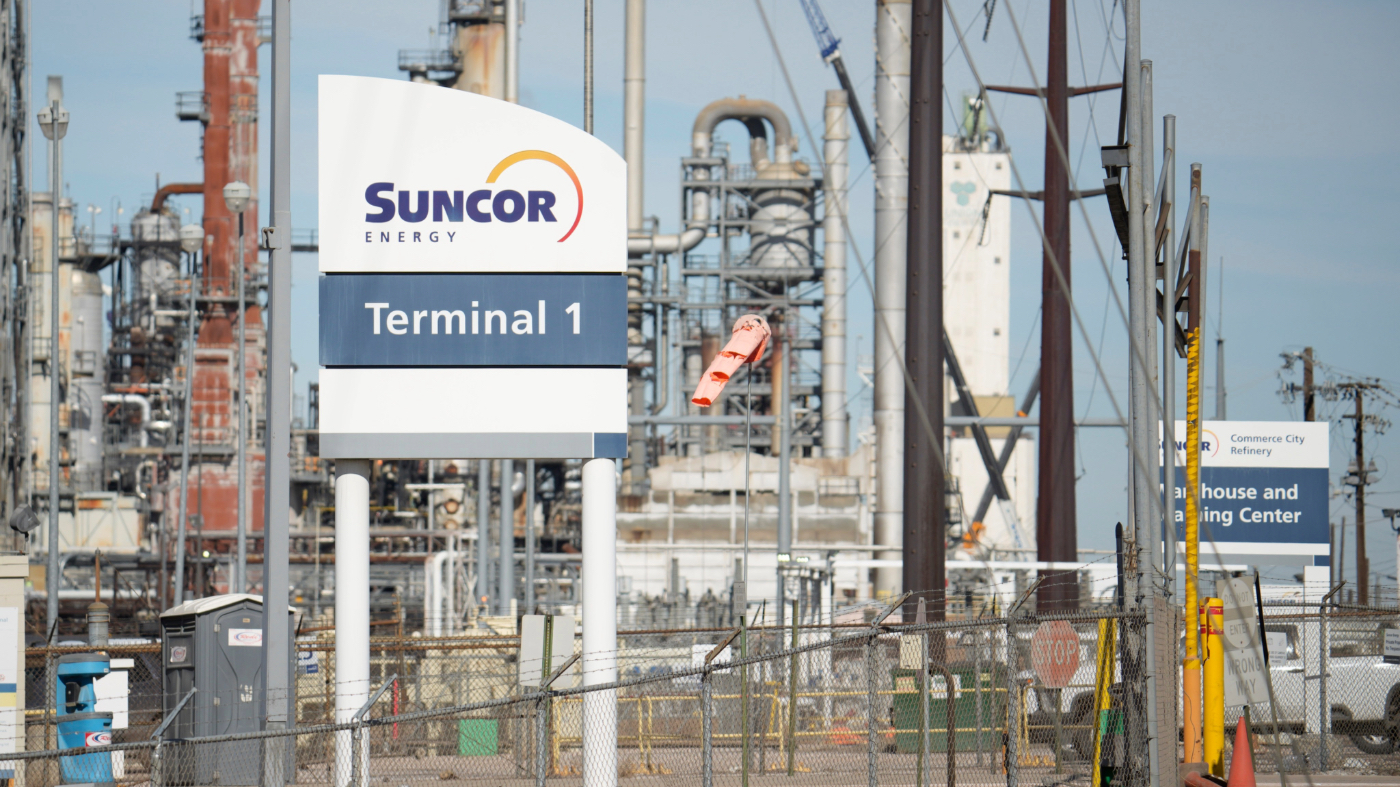
On the first day of its new term, the Supreme Court will hear a bold argument : that no jury can even consider these questions when the allegations concern deception by fossil fuel companies about climate change. In Suncor v. Boulder County , two oil companies will be making that case to stop a lawsuit against them. If you think people should be able to hold corporations accountable in court, you should pay attention.
For decades, oil companies have cast doubt on climate change and the idea that burning fossil fuels might be to blame. But about a decade ago, investigators uncovered a trove of documents showing the industry knew the truth since at least the 1960s.
Specifically, oil and gas executives knew their industry and products were releasing huge amounts of carbon dioxide, which was causing the atmosphere to heat to a point that it could lead to — in their words — “globally catastrophic events” by the end of this century. They knew the only “uncertainty” in this chain of events was whether they would disclose the problem or do anything to reduce the level of carbon dioxide entering the atmosphere.
States and local governments struggling with expensive and avoidable climate-related damage took notice. Dozens — including Boulder County — sued oil companies under state consumer protection and product safety laws, alleging decades of industry deception .
It’s hardly the first time that local governments have sued an industry for hurting people by hiding the truth. A generation ago, thousands successfully sued tobacco companies to recover the costs of caring for smokers who were told cigarettes were safe. More recently, all 50 states did the same to companies who hid the truth about opioids .
The fossil fuel industry desperately wants to avoid that fate. Big Oil companies are trying to stop these lawsuits — not by contesting the claims but blocking state courts from hearing them.
To be clear, the state and local government lawsuits aren’t trying to regulate things like oil wells, air pollution or the car you drive. Those topics are generally covered by federal laws and contested in federal courts. The lawsuits aim to make the oil companies that lied about the risks of their products help pay for the damages those products caused. That’s the kind of case that state courts handle all the time.
Maybe you agree with the oil companies that it’s not fair to blame them for global climate change. Maybe you think that they didn’t really deceive anyone, or that the deception didn’t cause climate change or that climate change isn’t really causing damage. But this Supreme Court case is just about whether a jury should have the chance to consider those questions.
The oil companies’ most radical argument is that abstract constitutional principles shield them from being sued in state court for deceiving people. That boils down to a policy argument that the oil industry is just too important to have to answer to local governments that are dealing with the costs of climate-related damage.
Courts are meant to rule on questions of law, not policy. So, I wasn’t surprised when the Colorado Supreme Court rejected the industry’s arguments, paving the way for an actual trial. I also wasn’t surprised when the oil companies asked the Supreme Court to review that decision. No harm in trying.
But I was surprised when the court agreed to get involved before the plaintiffs even got their day in court; it had declined to get involved in similar cases on five recent occasions. Perhaps the conservative majority is itching, as many suspect, to continue its streak of prioritizing corporations over people’s health and the environment .
And I was even more surprised at the latest plot twist: Justice Alito recused himself from Suncor just one week before oral arguments. The justice didn’t explain why he bowed out, but people had been calling on him to do so because he has financial investments in the oil industry . That leaves the remaining justices to answer questions they may never have wanted to take up. At least four justices have to vote to take up a case; we don’t know if Justice Alito provided one of them.
But even without Alito, we should all still ask the same question: If the Supreme Court gives Big Oil a hall pass, which industry will be clamoring to be next? AI companies? Pharmaceutical giants?
I hope the court does the right thing and lets this case proceed. It’s hardly the court’s last chance to consider these questions. It can always take the case up after the plaintiffs get their day in court, and after a jury has made its findings.
The rule of law works best when it’s applied to everyone equally. This case will be a good test of whether the Justices believe that.
Sambhav Sankar is senior vice president for programs at Earthjustice.
Topics in this story
Gathered from external sources. Rights to this text belong to whoever originally published it.