Florida orders removal of Flock cameras from state highways
Florida is halting the use of automated license plate readers (LPRs), including Flock Safety’s controversial cameras, on state highways, its transportation department announced Monday. The Florida Department of Transportation (FDOT) said in a memo to local law enforcement agencies that they should “cease the issuance of all future requests for LPR systems within its jurisdictional…
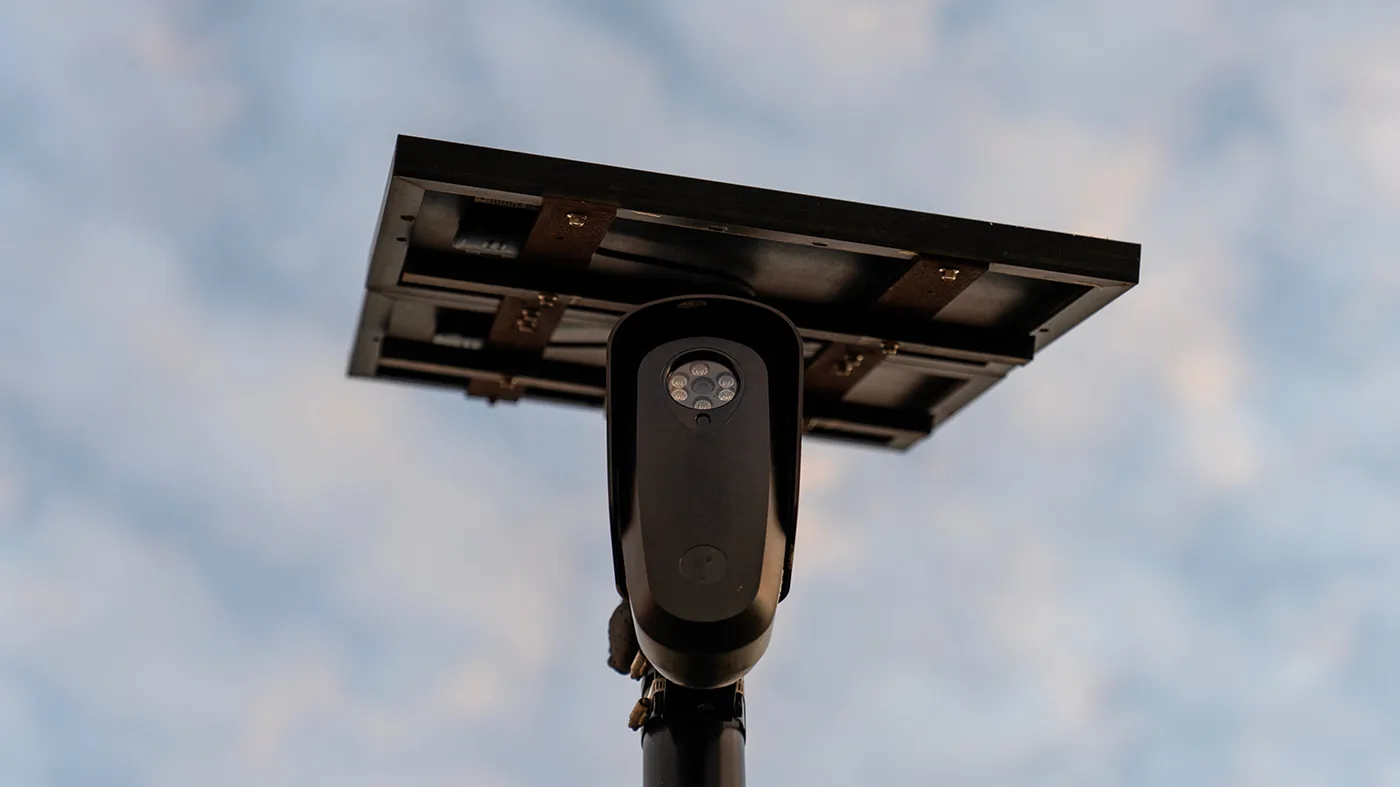
Florida is halting the use of automated license plate readers (LPRs), including Flock Safety’s controversial cameras, on state highways, its transportation department announced Monday.
The Florida Department of Transportation (FDOT) said in a memo to local law enforcement agencies that they should “cease the issuance of all future requests for LPR systems within its jurisdictional authority.”
The order comes as a growing number of jurisdictions throughout the country, including the entire state of Texas , move to restrict the technology. Flock cameras specifically have remained at the helm of this controversy after reports of law enforcement officers’ misuse of their data came to light.
“The recent exponential increase in deployments along our roadways, coupled with concerning reports of misuse, data privacy concerns and surveillance schemes merit immediate action to preserve Floridians’ sovereignty and quality of life,” FDOT wrote Monday.
The order would apply to cameras on the Sunshine State’s highway system — leaving their use on city and county roads up to local officials’ discretion.
As of Tuesday afternoon, local sheriff’s offices in Putnam and Clay counties have already moved to remove all LPRs from their jurisdictions’ roadways.
“Over the past several weeks, legitimate questions have continued to emerge regarding privacy, data sharing, governmental oversight and the future regulation of this technology,” Putnam County Sheriff H.D. DeLoach said in a Monday statement. “I believe the responsible course is to discontinue our program and cancel our contract at this time.”
LPRs at Flock, specifically, offer a system of AI-enabled video cameras and audio detection devices that not only record license plate numbers, but collect specific details about a car to create what the company calls a “vehicle signature.”
Florida Gov. Ron DeSantis (R) expressed concerns surrounding the technology following FDOTs block, saying in a Monday press conference the decision to restrict LPRs would keep the Sunshine State from becoming a “digital AI surveillance state where everything we’re doing is being tracked at all times.”
“If you want to get in your car and you want to go down to Buc-ee’s in St. Augustine, it’s really none of the government’s damn business if you’re doing that, right,” he said. “I know you can make money selling cameras, but you can really make a lot of money selling people’s data.”
The governor also called for the state lawmakers to introduce legislation on LPRs, adding that the memo could be revoked by the gubernatorial candidate who replaces him in January.
Other local officials are criticizing FDOT’s expedited timeline to remove these cameras. Miami Beach Mayor Steven Meiner, for example, told WLRN that “this blanket ban” would “have serious consequences for public safety.”
The growing scrutiny around LPRs has reached more than 150 cities who have made similar moves to cancel or reject LPRs as of Tuesday , according to antisurveillance organization . DeFlock
Flock and Axon, another top LPR producer, did not immediately respond to The Hill’s request for comments.
Topics in this story
Gathered from external sources. Rights to this text belong to whoever originally published it.