Data center moratoria will make life less affordable for Americans
The cost of moratoriums is greater than most realize.
Every text message, hospital record, digital streaming platform, bank transaction and smartphone app that Americans rely on operates through a data center. Data centers are the engine behind the new technology and infrastructure that Americans use daily, both now and in the future.
There’s a charged debate right now around data centers and a growing push for a moratorium on their construction across the country. Opponents have cited concerns about energy costs, water and grid strain — concerns worth taking seriously. However, a one-size-fits-all moratorium on the federal, state or local level, like the one recently announced in New York, would not address these concerns.
But a blanket moratorium would remove decision making from localities who are best positioned to evaluate responsible project and investment opportunities, the benefits they can provide and the community needs they can help address. A moratorium would eliminate the economic benefits that communities across this country are counting on, without addressing the underlying challenges. It’s also a bet against the tens of thousands of workers building, maintaining, operating, refurbishing and supplying the goods and services for data centers across the nation.
Although proponents have framed this as protection for ratepayers and the grid, halting construction will not fix the grid nor lower anyone’s electricity bill. Research shows that states with many data centers, like Texas and Virginia, have seen lower utility rates, not higher ones. Under the right conditions, data centers and other large loads can even lower rates for other customers. When large customers like data centers share the fixed costs of grid infrastructure, they can help reduce the burden on other ratepayers.
The reality is that our country needs significant investments in our energy infrastructure regardless of data center development. Policymakers should be leveraging the opportunity to increase investments into our energy systems from outside of residential ratepayers instead of driving future investments outside of our borders.
The cost of delaying all data center construction is greater than most realize. Data centers are the foundation for every industry in modern life: banking, hospitals, schools, medicine, logistics and government services, among many others. Manufacturers, small businesses, service providers and virtually all other businesses are racing to adopt digital tools to stay competitive in the 21st-century economy; these tools rely on high-speed access to data.
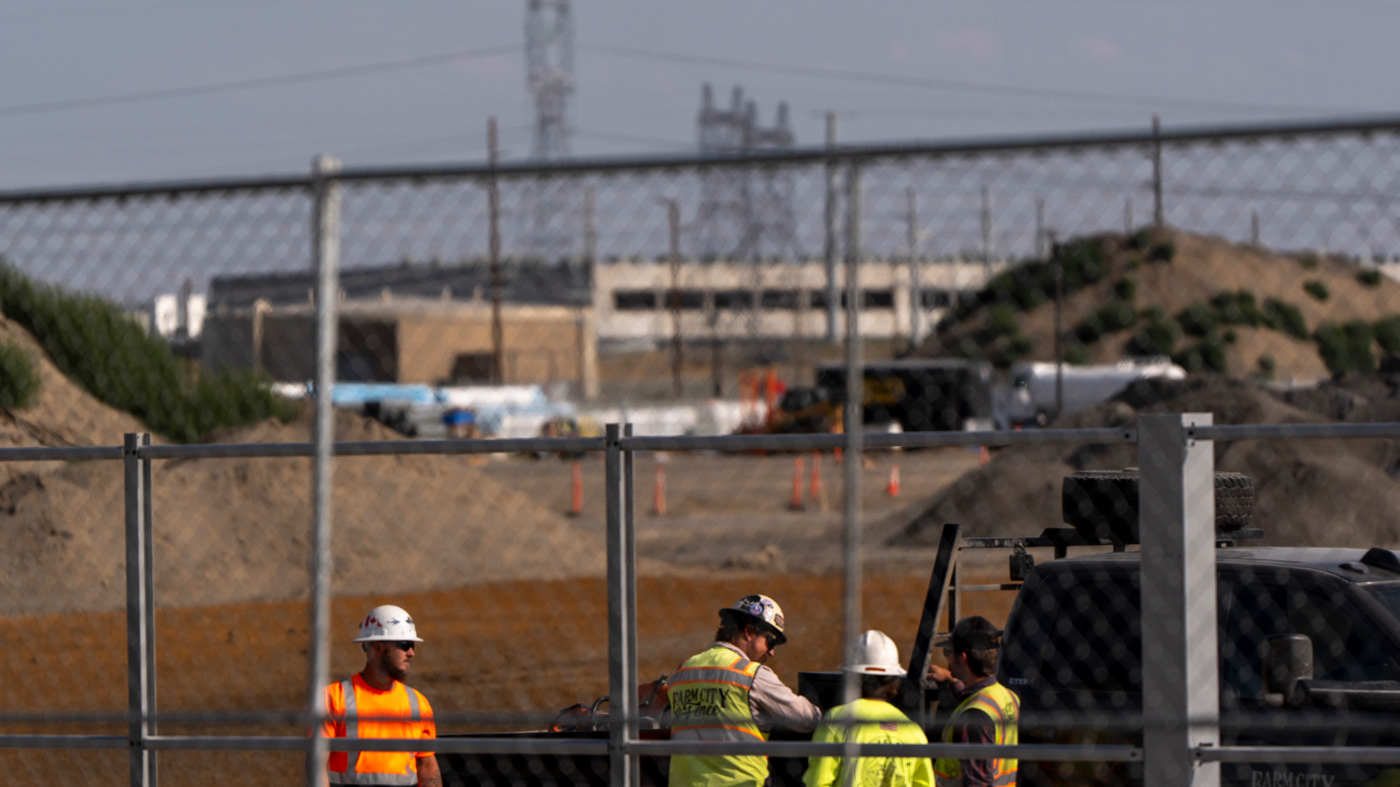
Consider the workforce building the data economy. For the first time ever, more data center space was constructed nationally last year than office space. That signifies a structural shift in what this country is building. At a time when data centers are a critical growth sector for the construction professionals building them, a moratorium would result in fewer in-state job opportunities for steamfitters, pipefitters, plumbers, sprinkler fitters and welders, in addition to electricians, operating engineers and other building trades.
These are the kinds of good, union jobs that the American dream was founded upon: The United Association’s members hold over 90 percent market share on U.S. data center construction. Nationally, each direct job in the data center industry supports more than four jobs elsewhere in the U.S. economy according to PwC research commissioned by my organization.
Rather than a blanket expansion of these moratoria, common-sense proposals that address the concerns of everyday Americans are paramount. For example, there are now over 100 large load tariffs approved or proposed across 37 states to protect residential consumers from shouldering the cost of expanded energy needs.
And the data center industry continues to invest in practices that reduce freshwater demand, including cooling approaches that use little or no water, water recycling, and AI-driven cooling optimization. Companies are also co-investing in regional water reuse infrastructure and partnerships that support local watersheds.
When scaled nationally, the economic cost of moratoria would be massive. They would eliminate hundreds of thousands of high-wage jobs, drain billions in local tax revenues that benefit our economy, limit internet capacity, and ultimately raise costs for families and small businesses. Consider that in 2024 alone, U.S. data centers supported 5.5 million jobs and generated $204 billion in tax revenue that helps enable local tax relief, schools, roads, and public safety – helping make life more affordable for Americans across the country.
A more prudent approach would be to work in partnership with the labor union members who build these projects and the industry that operates them, while also acknowledging local community concerns. This is where our two voices matter together: Labor sets the standard for how these projects get built, and industry brings the investment and technical expertise to build them right.
Every transformative technology — including rail, electricity, automobiles, airplanes, pharmaceuticals and the internet itself — arrived with questions about what the future would look like. Ultimately, what we learned from those moments was not to halt progress until every question was answered, it was to build responsibly as these new technologies continue to evolve. Moratoria will halt this process. It is not too late to change course.
Josh Levi is president and CEO of the Data Center Coalition, the membership association for the U.S. data center industry. Mark McManus is the general president of the United Association, which represents approximately 407,000 plumbers, pipefitters, sprinkler fitters, HVACR service technicians, welders and related trades in North America.
Topics in this story
Gathered from external sources. Rights to this text belong to whoever originally published it.