Plague cases still occur in the US: Here’s where
Earlier this year, a woman in New Mexico died of the plague, officials said.
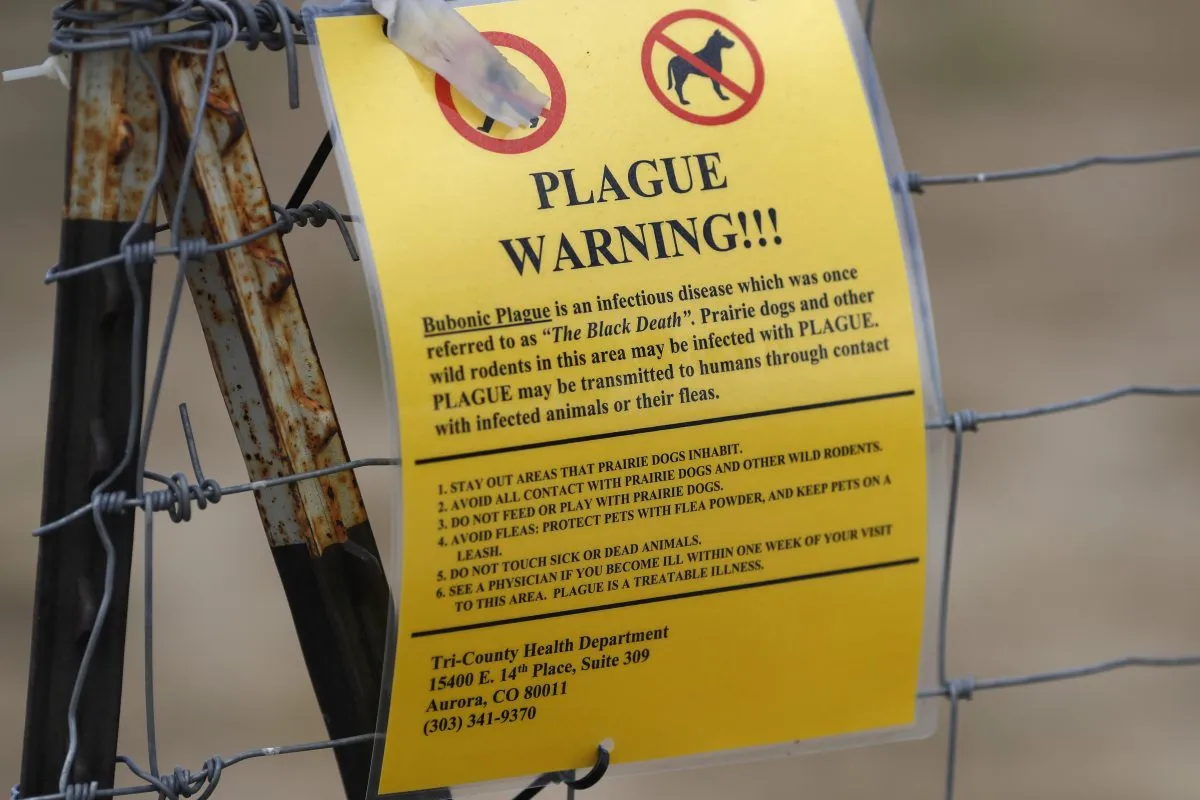
(NEXSTAR) — While U.S. officials have said they are monitoring reports of a possible plague outbreak in Russia , they have cautioned that it isn’t a “cause for alarm.” Still, worries have grown over the nearly always fatal condition.
Person-to-person spread of the plague hasn’t been seen in more than 100 years in the U.S. However, Arizona reported a pneumonic plague-related death last year, and a New Mexico woman died from plague this year.
Between 2000 and 2023, between zero and 17 cases of human plague were reported in the U.S. each year, according to the most recent data from the Centers for Disease Control and Prevention.
Fifteen of the 122 cases confirmed during that time period were fatal, the data shows.
When cases do occur in the U.S., they’re primarily in the West, with most reported in New Mexico and Arizona. Cases have also appeared near southern Oregon, far western Nevada, and California.
Last year, Oregon saw its first case of the bubonic plague since 2015 . Plague cases were also reported in California and New Mexico in 2025.
An Arizona resident fully recovered after being diagnosed with plague earlier this year. There have only been two cases of plague in the U.S. this year, CDC data shows.
Generally speaking, plague is brought on by the Yersinia pestis bacterium, with humans and mammals being affected. Cases in the U.S. are, most often, bubonic, which was the most common during Europe’s Black Death .
Bubonic plague is caused by the bites of fleas found on rodents. It can cause symptoms like a sudden high fever; chills; headaches; pain in the abdomen, arms, and legs; and large, swollen lymph nodes that can leak pus.
A case confirmed in Oregon in 2024 — the state’s first since 2015 — was believed to have been caused by a pet cat . Both the cat and its human owner were provided the necessary treatment, according to officials.
There are two other forms of plague: septicemic and pneumonic.
Septicemic plague has similar symptoms to bubonic plague, including fever, chills, extreme weakness, pain in the abdomen, shock, and the possibility of bleeding into the skin and other organs, the CDC explains . This form of plague can develop from untreated bubonic plague as well as from the handling of infected animals.
Should a person with bubonic or septicemic plague go without treatment, and the bacteria reach their lungs, they can develop pneumonic plague. The plague case reported in Russia is believed to be pneumonic.
Humans can also get pneumonic plague from breathing in “droplets coughed out by another person or animal with pneumonic plague,” according to the CDC. Like other forms of plague, symptoms can include a fever, headache, weakness, and pneumonia, with the latter developing “rapidly.”
While bubonic and septicemic plague may take a few days to set in, the incubation period for pneumonic plague may be just over a day, the CDC reports. It’s the only form that can be spread person-to-person, and it is considered the most serious form of the disease.
Roughly 90% of plague patients survive with quick treatment, regardless of which type they have contracted. Untreated, “plague is nearly always fatal,” the Cleveland Clinic said.
To avoid getting the plague, it’s recommended that you take steps to avoid flea bites. That includes wearing bug spray with DEET and clearing up spaces outside where flea-loving wild animals may live. It’s also important to speak with your veterinarian about preventing fleas on your pets. Your pets should also not be allowed to roam outdoors freely if you live in an area prone to the plague.
Topics in this story
Gathered from external sources. Rights to this text belong to whoever originally published it.