A prison sentence is not a death sentence — fix the correctional health care crisis now
No state, including Arizona, likes having a judge tell it how to run its prisons. But they all have a choice: live up to their constitutional responsibilities and provide adequate medical care on their own, or have the courts ensure it gets done.
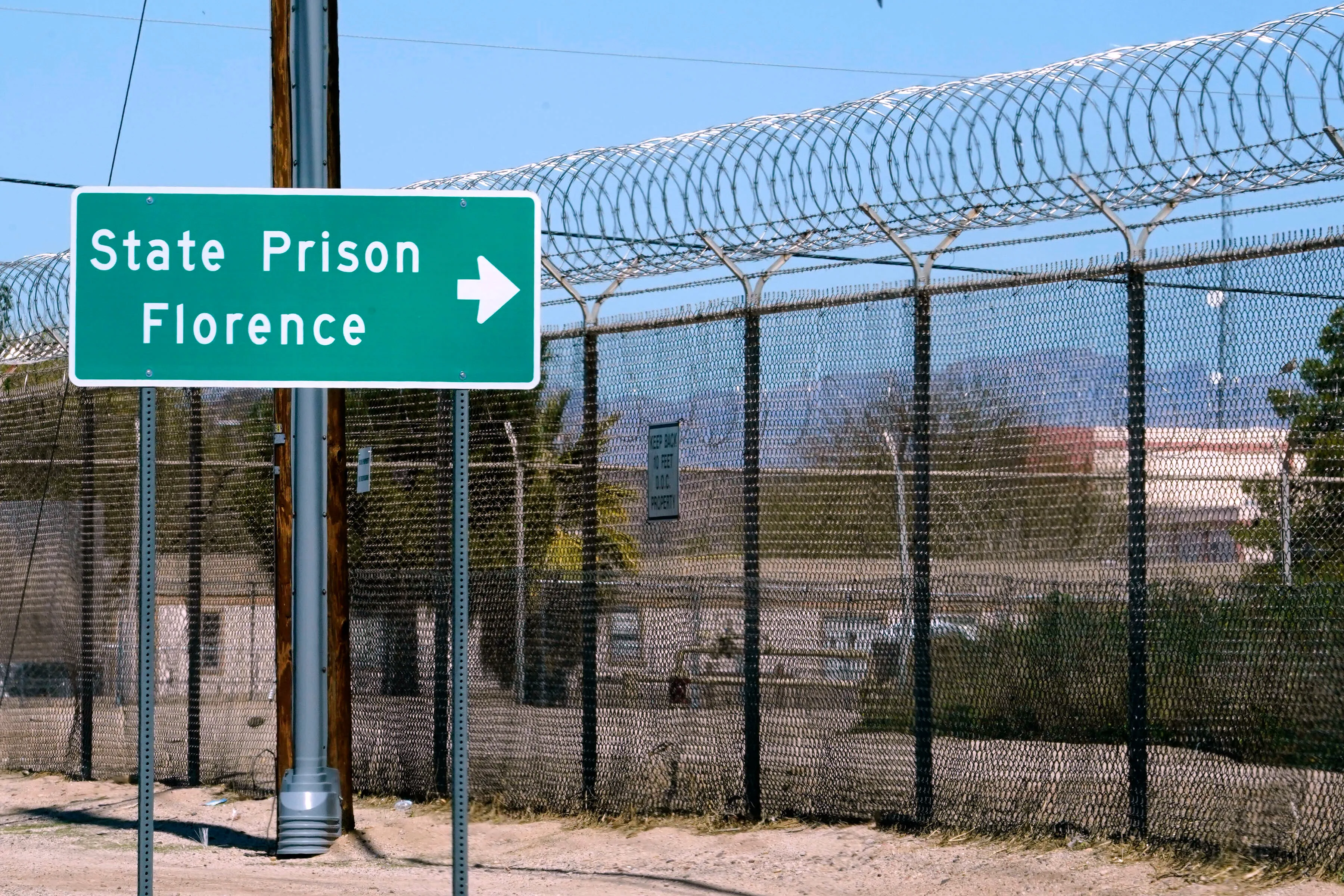
On Oct. 1, the Supreme Court denied a last-minute request from the state of Arizona to postpone a court-ordered takeover of health care operations in its prisons. The lawsuit that prompted judicial involvement had been originally filed in 2012.
The intervening years have seen foot-dragging, numerous returns to court, and little improvement in the dreadfully inadequate medical care provided to inmates in the Grand Canyon State. In 2022, U.S. District Judge Roslyn Silver ruled that Arizona has “failed to provide, and continue(s) to refuse to provide, a constitutionally adequate medical care and mental health care system for all prisoners.”
Among her findings was that “there aren’t enough health employees to care for the roughly 25,000 incarcerated people housed in state-run prisons and that corrections officials have made no significant attempts to fix the understaffing problem.”
But the problems that Silver documented are not confined to Arizona . Nationwide, there is a crisis of health care in American prisons. For many thousands of people, this can turn a period of incarceration into a nightmare of pain, physical deterioration and fear.
Take the case of Joseph Assyd, who had been imprisoned in Arizona until April 12, 2020, when, at the age of 64, he died. According to Silver , “he became unresponsive due to hypoglycemia” and was transferred to another prison for medical care on Mar. 13. But Assyd was not seen by a provider until March 27.
Silver found that his “vital signs were not properly documented in March 13, 2020, and, consequently, his assessment on that date did not prompt a referral to a provider.” This negligence led to Assyd’s death.
Then there is the case of Tallie Dillard, a 53-year-old Black woman who is currently incarcerated in the Federal Correctional Institution in Greenville, Fla. Dillard is serving a 78-month prison term , having been convicted of conspiracy to distribute a controlled substance. Since her incarceration began, Dillard has not received the medical care she needs , even though, as is true of many incarcerated individuals, she is in poor health and suffers from several illnesses. Dillard has not been able to see a specialist to address her heart murmur, kidney failure, the cyst on her abdomen, or the lesion on her liver. She has filed numerous grievance reports about inadequate medical care and medical neglect, to no avail.
Assyd’s and Dillard’s stories are quite common, but they are enough on their own to signal that something is seriously wrong with the prison health care system.
Last February, Silver put the Arizona prison system in receivership , finding that “Defendants have never been substantially compliant, have engaged in repeated, persistent violations, and the chronic unconstitutional prison healthcare has continued. … Plainly, only the imposition of the extraordinary can bring an end to this litigation and the reasons it was brought. An end to unconstitutional preventable suicides. An end to unconstitutional preventable deaths. An end to unconstitutional failures to treat those in severe pain.”
In her insistence that Arizona provide adequate health care in its prisons, Silver was building on a clear constitutional mandate. Fifty years ago, the Supreme Court held that the failure of prison officials to provide adequate medical care to incarcerated individuals violated the Eighth Amendment prohibition on cruel and unusual punishment. As Justice Thurgood Marshall wrote, “An inmate must rely on prison authorities to treat his medical needs; if the authorities fail to do so, those needs will not be met. In the worst cases, such a failure may actually produce physical ‘torture or a lingering death.’ … [D]enial of medical care may result in pain and … unnecessary suffering which is inconsistent with contemporary standards of decency.”
That view was reaffirmed in 2011 , when the court found that inadequate health care in California prisons and the state’s failure to address it justified extraordinary judicial action. “If a prison deprives prisoners of basic sustenance, including adequate medical care, the courts have a responsibility to remedy the resulting Eighth Amendment violation.”
No state, including Arizona, likes having a judge tell it how to run its prisons. But they all have a choice: live up to their constitutional responsibilities and provide adequate medical care on their own, or have the courts ensure it gets done.
Either way, it is long past time to end the medical care crisis in American prisons.
Austin Sarat is the William Nelson Cromwell Professor of Jurisprudence and Political Science at Amherst College.
Topics in this story
Gathered from external sources. Rights to this text belong to whoever originally published it.