Ted Cruz baselessly claims El-Sayed may share Intel with terrorists
I don’t hear Republicans saying the same thing to Catholic candidates, or Christian candidates — there are extremist organizations within both religions.
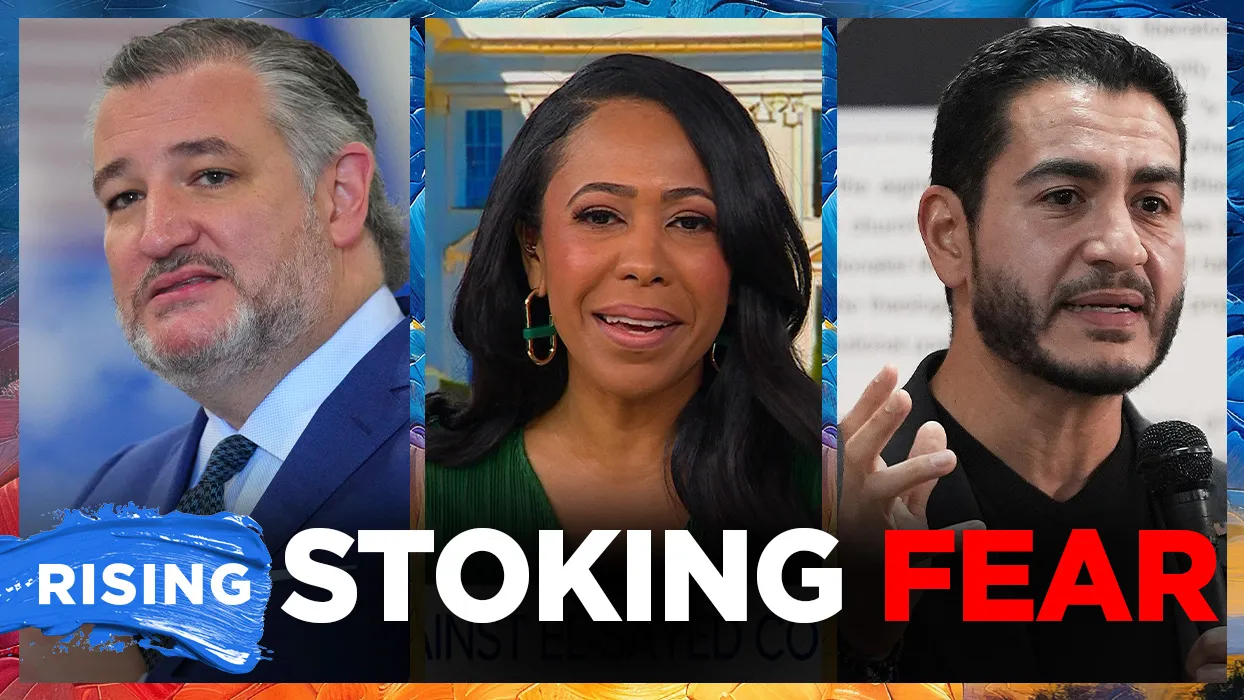
Texas Sen. Ted Cruz went on Fox News this week and suggested Dr. Abdul El-Sayed could endanger American lives by sharing classified information with terrorists, without any evidence for that extraordinary accusation. Why must Republicans continue to use a candidate’s religion as political weapon?
“Chuck Schumer could place Abdul El-Sayed on the Senate Intelligence Committee. He would have access to the very highest level of classified materials. And I believe, if that were to happen, there would be an unacceptably high risk that American servicemen and women, their lives would be endangered, and that our covert intelligence assets, their lives would be in danger because every reason to believe Abdul El-Sayed would share that classified information with Muslim Brotherhood terrorists.”
That’s a serious allegation. But El-Sayed denies having ties to the Muslim Brotherhood, and there is no established public evidence that he is a member of the organization. At all.
The Republican talking point is that El-Sayed signed a 2012 letter supporting Egyptian President Mohamed Morsi. Supporting Morsi in that letter is not the same as pledging allegiance to the Brotherhood. The goal of the open letter was to rid Egyptian leadership of any supporters of the dictatorship that had been toppled during the Arab Spring. At the time, El-Sayed and other pro-democracy advocates viewed Morsi’s election as a clean break from decades of military rule and a step toward self-determination for Egyptians.
Earlier this month at town hall, El-Sayed firmly rejected the Muslim Brotherhood and firmly stated to an audience member who asked about it: “You’re asking the question because, implicitly, you assume that I’ll have dual loyalties, right? You assume that I wouldn’t disavow, or that I’ll have some higher order allegiance than to the Constitution, correct?”
Meaning simply because he’s Muslim, he would put religious loyalty above his constitutional obligations. I don’t hear Republicans saying the same thing to Catholic candidates, or Christian candidates — there are extremist organizations within both religions.
Meanwhile, during their first debate, Republican Mike Rogers tried to draw a connection between El-Sayed’s mom and al Qaeda, and President Trump has even mocked El-Sayed’s name and started calling him by his middle name, Mohamed.
But all of these are not isolated incidents. Look at what Republican lawmakers have posted on social media this year alone:
Tennessee Congressman Andy Ogles posted on X in March that Muslims “don’t belong in American society.”
Also in March, Florida Congressman Randy Fine wrote : “We need more Islamophobia, not less. Fear of Islam is rational.”
And Alabama Senator Tommy Tuberville paired images of 9/11 with New York City Mayor Zohran Mamdani, saying “The enemy is inside the gates.”
The common thread is the suggestion that Muslim identity itself is evidence of disloyalty or danger. It’s good to note that Abdul El-Sayed would be the first Muslim senator if he wins.
Republicans have made islamophobia a strategy by repeatedly casting Muslims as outsiders or potential enemies. But that, my friends, is a losing strategy, because in America, religious freedom cannot mean freedom for everyone except Muslims.
Lindsey Granger is a NewsNation contributor and co-host of The Hill’s commentary show “Rising.” This column is an edited transcription of her on-air commentary.
Topics in this story
Gathered from external sources. Rights to this text belong to whoever originally published it.