Delhi-NCR children with asthma, allergies at risk as weather patterns change
With changing weather conditions across Delhi‑NCR, experts are witnessing increased concerns related to asthma, allergic rhinitis, recurrent cough,
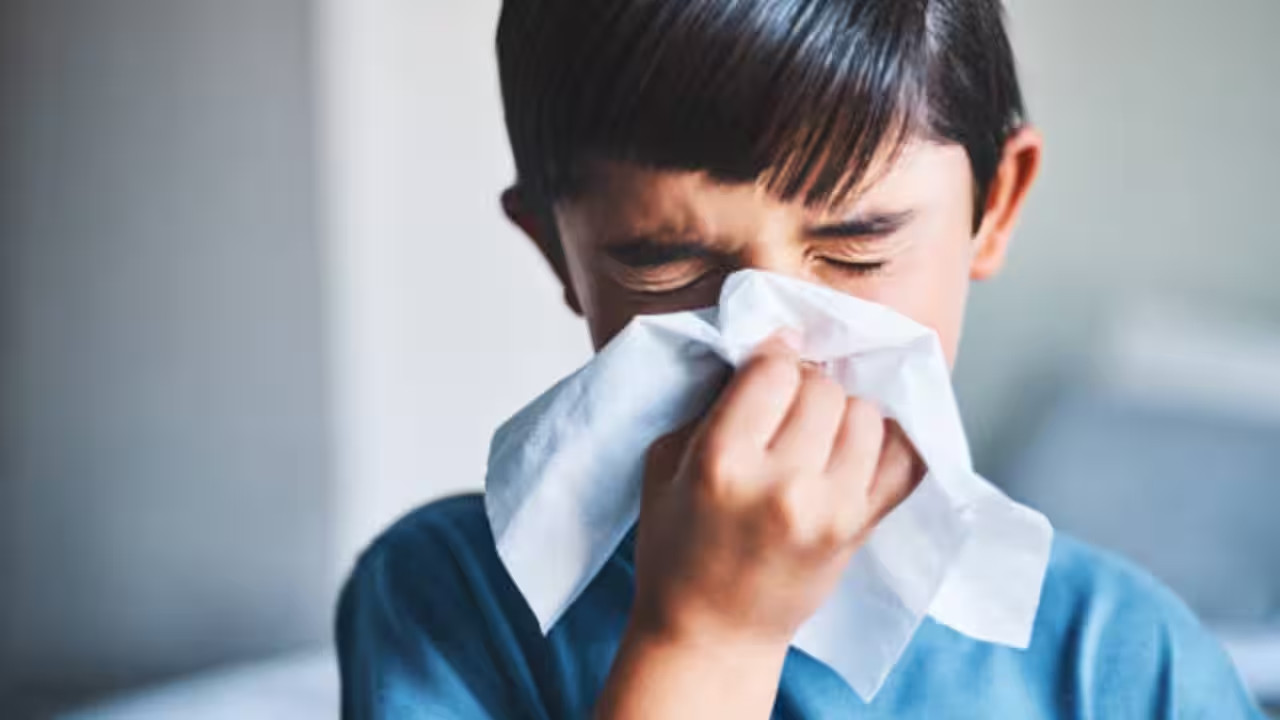
With changing weather conditions across Delhi‑NCR, experts are witnessing increased concerns related to asthma, allergic rhinitis, recurrent cough, wheezing and other respiratory symptoms among children. Sudden changes in temperature, increased humidity, dust, air pollution and exposure to seasonal allergens can irritate the airways and trigger symptoms, particularly in children who already have asthma or allergies.Experts say that while weather changes do not cause asthma or allergies on their own, they can act as important triggers and make existing symptoms worse.“Children with asthma and allergies often have sensitive airways, and sudden changes in weather can make them more reactive. We commonly see children developing increased coughing, wheezing, chest tightness, sneezing, a blocked or runny nose and breathing discomfort when there is a sudden change in temperature or humidity. Exposure to dust, pollen, smoke and air pollution can further aggravate these symptoms. Parents should therefore pay attention to changes in their child’s breathing pattern and not dismiss a persistent cough or repeated wheezing as just a seasonal infection. Children who have already been diagnosed with asthma should continue their prescribed treatment and follow their asthma action plan, particularly during periods when known triggers are high,” said Dr Manish Balde, senior paediatrician, Motherhood Hospital, Gurgaon.“Weather changes can affect children differently depending on their underlying health. Cold air may irritate sensitive airways, while humidity and sudden temperature fluctuations can create conditions that worsen respiratory discomfort. At the same time, Delhi‑NCR’s air pollution and high levels of dust can add another layer of irritation. Children who have allergic rhinitis may experience increased sneezing, nasal congestion, itchy or watery eyes, and a runny nose, while those with asthma may develop coughing, wheezing, or difficulty breathing. Parents should understand that not every cough or breathing problem is asthma, but recurring symptoms deserve evaluation. If a child frequently coughs at night, develops wheezing during exercise, or gets breathless while playing, then consult a paediatrician. Keeping the child away from cigarette smoke, incense, strong fragrances, dust and other known irritants can help reduce exposure. During poor air‑quality days, outdoor activity may need to be limited, especially for children whose asthma is not well controlled,” the doctor added.Parents should not stop or change prescribed asthma medication simply because the child appears better. Asthma is a long‑term condition that can often be controlled effectively with the right treatment and monitoring. Children with allergies may also require appropriate treatment depending on their symptoms and triggers. Self‑medication, particularly with antibiotics or cough syrups, should be avoided unless recommended by a doctor.“Prevention is important in children with a known history of asthma or allergies. Parents can encourage regular hand hygiene, ensure adequate sleep and nutrition, reduce exposure to dust and smoke, and keep prescribed medicines readily available when advised. They should also know the warning signs that require urgent medical attention, such as severe breathing difficulty, difficulty speaking or eating because of breathlessness, bluish lips, extreme tiredness, or symptoms that are rapidly worsening. With timely medical care and good trigger control, most children with asthma and allergies can continue their normal school, play, and daily activities,” said Dr Manish Balde.
Topics in this story
Gathered from external sources. Rights to this text belong to whoever originally published it.