At 58, I Had Early Signs of Alzheimer’s in My Brain. These Interventions Got Rid of Them
In the months leading up to my mother’s 75th birthday in June 2019, I was planning a surprise party.
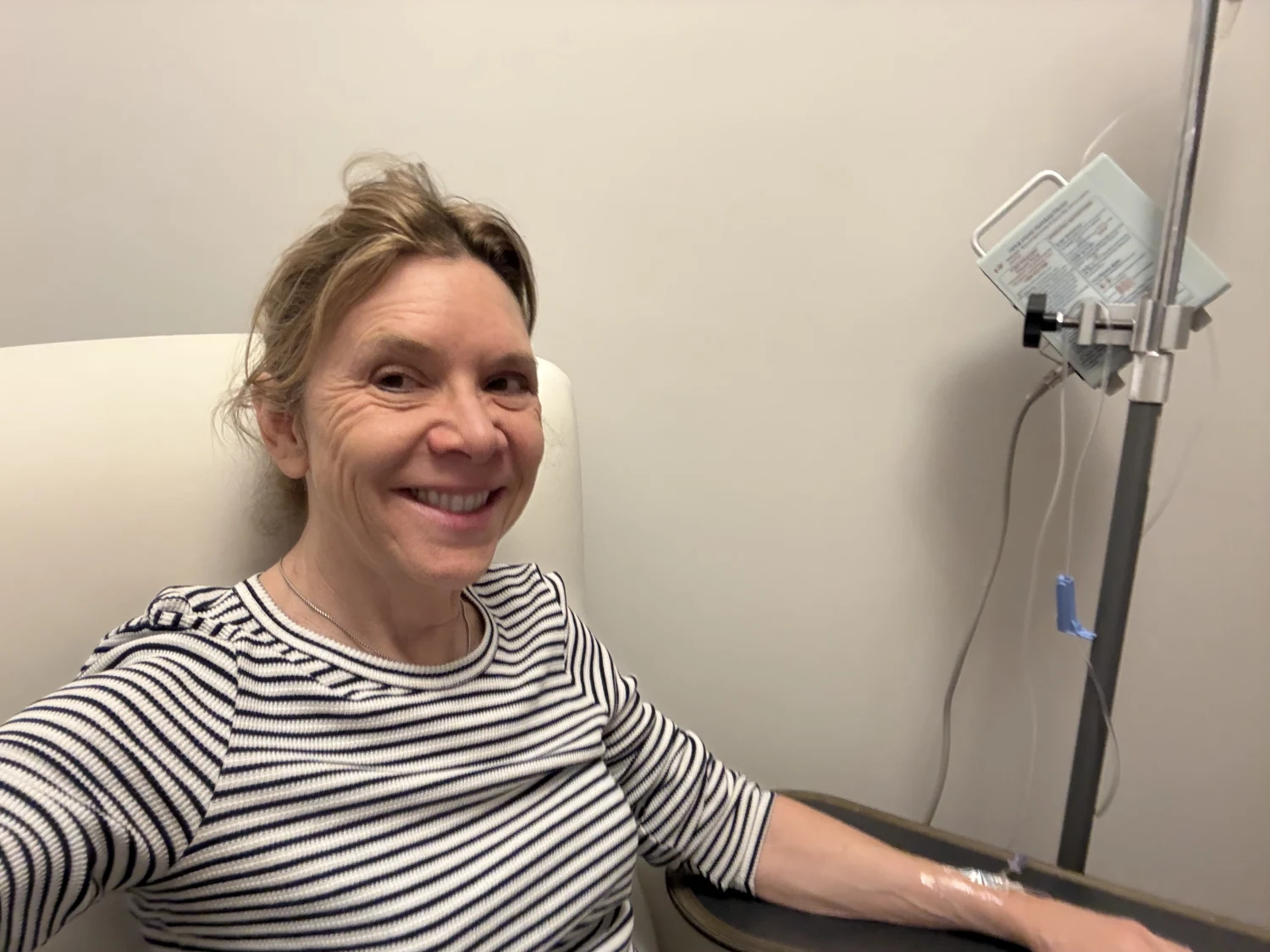
In the months leading up to my mother’s 75th birthday in June 2019, I was planning a surprise party. As I was surreptitiously making calls to her closest friends, two of them asked me with a bit of hesitation if I had noticed changes in my mother’s memory. The truth was I had — and so had my mother. She had been talking about it for a while, writing to me in an email around that time, “I know that my memory isn’t as good as it was and I repeat myself. It concerns me but I really don’t know what to do about it.” She was afraid of handing over her finances to her wonderful husband and losing control of her life in other ways. But as expected, my sweet mother told me, “Don’t worry about me, but continue to monitor what you see as a concern.” My mom has always been my role model, an example of what the next stage in life should look like. It never dawned on me that she would develop Alzheimer’s disease. She was still healthy when we first started noticing the signs. But one day, I started to lose her, a little bit at a time. Understanding My Own Alzheimer’s Risk As I began to study Alzheimer’s, I learned that having a parent with the neurodegenerative disorder increases your risk. My case was no exception. Testing revealed my mother carried two copies of a gene called APOE4. Everyone inherits one APOE gene from each parent, and the typical variations are APOE2, believed to reduce Alzheimer’s risk; APOE3, the most common, with a neutral effect on Alzheimer’s risk; and APOE 4, which increases risk. A person with two copies of APOE4 is 8-12 times more likely to develop Alzheimer’s, according to the Mayo clinic. So in October 2024, I got tested with a cheek swab I sent back in the mail. I had an APOE4 and APOE3 gene, making me two to three times more likely to develop Alzheimer’s. I was a bit relieved. As I did more research, I learned about the work of Lisa Mosconi, Ph.D., director of the Alzheimer’s Prevention Program at Weill Cornell Medicine. A June 2020 study of hers found that hormonal shifts in menopause can increase the risk of Alzheimer’s — women make up two-thirds of cases — and that changes in the brain can start years or possibly decades before symptoms appear. In April 2025, I decided to apply to join one of her studies. I qualified, but the waiting list was a year and a half. The following month, the U.S. Food and Drug Administration cleared the first-ever blood test to help diagnose Alzheimer’s. It crossed my mind that the timing was a gift from God. “The test measures certain proteins, including a specific form of the tau protein, that can indicate the presence of amyloid plaques in the brain. An amyloid plaque is a buildup of protein that is considered the hallmark sign of Alzheimer’s disease,” the Mayo Clinic explains. I got it as soon as I could, and my results were way out of the normal range. I’d thought I was too young and that my occasional forgetfulness with words was due to menopause brain fog. My job as a news producer is active, always running, pushing, managing. It’s demanding, but I love it. I wondered if I’d have to quit and started contemplating memory care facilities where I could live and have someone take care of me. Taking Control of My Health Then, a physician friend recommended I go to the Alzheimer’s Prevention Clinic in New York City. I was told the clinic’s wait list was a year and a half and sent an email pleading them to consider me. Three days later, my phone rang. At 58, I had my first appointment with Dr. Sonja Blum, which included body composition metrics, blood and genetic biomarker panels, standardized cognitive tests and neurological exams. Afterward, I was handed customized guidelines for diet, exercise, supplements, sleep and more. Research estimates that up to 45% of dementia cases could be delayed or prevented by targeting modifiable risk factors like obesity, high cholesterol and social isolation. So, I saw my new lifestyle as a life-and-death situation with the outcome in my hands. I already had a relatively healthy diet and worked out regularly, but I needed to be doing more. I cut out artificial sweeteners and limited fried and processed foods, red meat, cheese, sweets and alcohol. Every day, I started eating leafy greens, whole grains, veggies and fruit, and every week multiple servings of fish, walnuts, almonds, avocado and berries. I also intensified my workouts to 45-60 minutes of cardio three to four days a week, plus strength training — three muscle groups, three sets per exercise, 8-10 reps. I moved up my bedtime, too. And in December 2025, I added something else: an anti-amyloid infusion, called Kisunla, approved by the FDA in 2024. A previous scan of my brain had found I had elevated levels of amyloid in every quadrant, and Kisunla has been shown in trials to slow cognitive and functional decline by 60% in patients like me. The sooner a patient starts, the more effective it is. I couldn’t wait to get the amyloid off my brain. After six infusions, in May this year, I had another scan to determine my progress. I went from a score of 86 to a 4. The radiologist wrote in the notes, “The amyloid issue has resolved.” The following month, I joined another research initiative, led by Dr. Richard Isaacson, the founder of the Alzheimer’s Prevention Clinic, who’s since moved to Florida. His team’s blood tests showed that my tau levels were normal, possibly from watching what I eat. He called the change in my amyloid levels “jaw-dropping.” A New Generation of Alzheimer’s From the moment I stepped into the Alzheimer’s Prevention Clinic, I was told, “You are the patient we want to come through our door,” a reference to my age, high level of functioning and total commitment to doing whatever I can. I currently don’t have Alzheimer’s or even mild cognitive impairment. But I still do have positive biomarkers and an elevated risk for the disease. If I were giving advice to others, there are a few things I believe are crucial to my story. My determination was not to be outmatched by my discipline. It was tough to find the right doctors and get an appointment, but I didn’t take no for an answer. Information is power. To stick my head in the sand and wait until I saw signs like those my mother exhibited would’ve been too late. We were able to slow down or even stop the progression of my symptoms years before they got worse. Blum told me that I’m the beginning of a new, groundbreaking generation of Alzheimer’s disease, one where it’s managed like any other chronic condition. That said, my journey isn’t over. There is no certainty, and I’m still a patient at the Alzheimer’s Prevention Clinic, where my blood and biomarkers are checked monthly. My mother would be proud. At 82, she still recognizes and loves me as much as ever, but she no longer can follow or remember our conversations. I have lost my closest confidant. She remains my example of how to live and grow. In trying to save my beautiful mother, I believe God helped me save myself, and I hope my story will help others until we are no longer talking about this disease anymore.
Topics in this story
Gathered from external sources. Rights to this text belong to whoever originally published it.