In 2005, Leonardo DiCaprio purchased private Belize island for USD 1.75M to create an eco-resort; years later, the project is still under development
Explore the journey of Leonardo DiCaprio's eco-resort project on Blackadore Caye in Belize, facing delays, community pushback, and ongoing development challenges since its purchase in 2005.
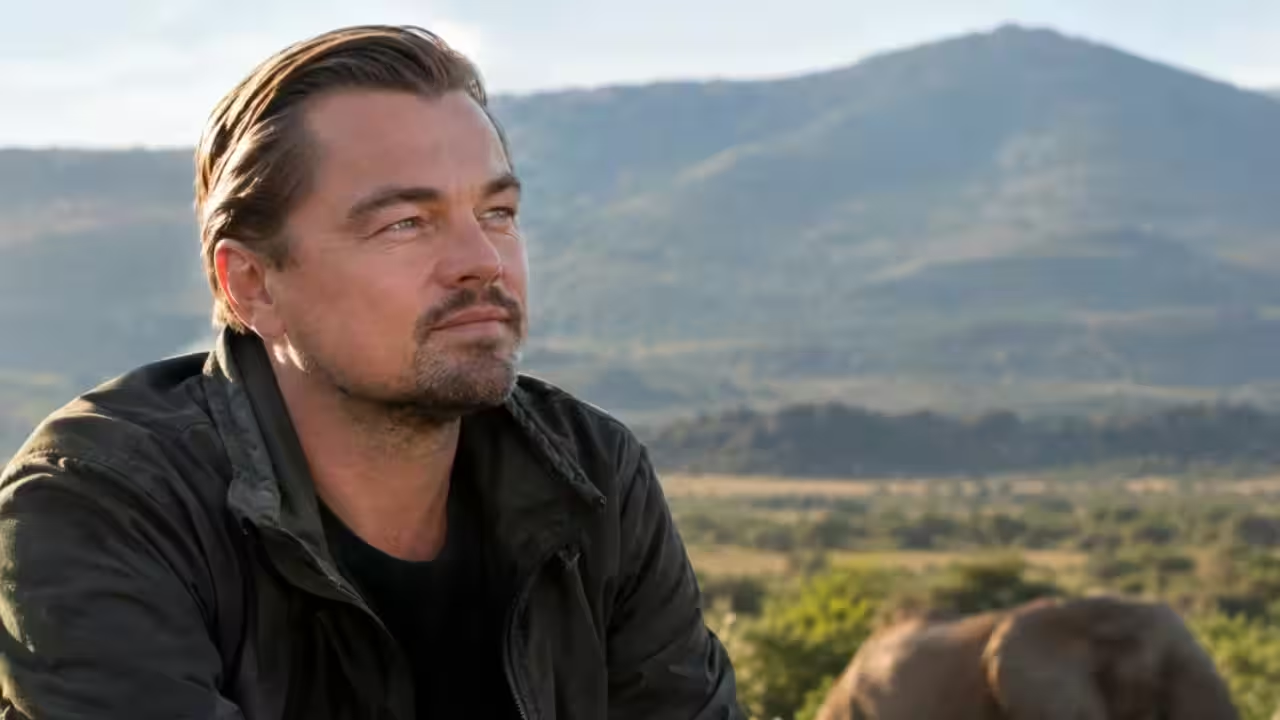
Over the years, Leonardo DiCaprio has done his part for the community and invested in multiple efforts and organizations that are working towards preserving nature and historical spaces. This was also his main aim when he purchased a private island that is located in Belize, known as the Blackadore Caye, for USD 1.75 million.Here is a look into all that has happened with the property since then.Leonardo DiCaprio once purchased an entire private islandLeonardo DiCaprio purchased the 104-acre Belizean island of Blackadore Caye in 2005 for a reported USD 1.75 million, alongside business partner and resort owner Jeff Gram. At the time, the actor’s initial goal with the private island had been to transform it into a premier eco-resort that would serve as a model for "restorative development," a concept that was intended to heal damage already done to the local ecosystem rather than merely minimizing harm.To make his plans a reality, DiCaprio partnered with luxury developer Paul Scialla to design Blackadore Caye: A Restorative Island.More features about Leonardo DiCaprio’s private resortThe actor aimed to have the entire space powered entirely by solar panels, rainwater harvesting systems, and zero-waste waste-management tech. The main aim of the project was also to preserve the ecosystem on the island, especially the mangroves, which are a vital part of Belize’s ecosystem. Blackadore Caye had reportedly experienced erosion, vegetation loss, and other ecological pressures.The actor had planned on planting thousands of native mangroves, restoring coastal marine life, and building artificial reefs to control coastal erosion caused by historical overfishing and deforestation. Another part of the project was to ensure that around 58% of the island was meant to remain untouched as a form of protected land to ensure that the property that they were building did not affect the flora and fauna of the island too much.The building itself was meant to have 68 guest villas and private residences that were specially designed to meet rigorous LEED and Living Building Challenge sustainability standards.Leonardo DiCaprio’s Belize project has faced a lot of issues and delaysOver the years, the eco-friendly resort has faced quite a few issues. The initial plan had been to launch the property by 2018; however, due to multiple delays and other issues, the Belize eco-friendly resort still remains under construction and development.Some of the issues that ‘The Great Gatsby’ actor faced while working on the project included pushback from local fishermen and activists. At the time when the first drafts for the villas were pitched, local Belizean fishing guides and environmental groups had objected to the project, warning that overwater construction would disrupt shallow-water seagrass beds and threaten key marine life (such as bonefish, tarpon, and permit) vital to the local fly-fishing tourism economy. They claimed that rather than building a sustainable space, some of the structures on DiCaprio’s property would disrupt local wildlife.Due to constant pushback and consultations, the actor had to remove the overwater structures and significantly scale down the master plan, causing extensive regulatory delays. Redeveloping plans took years and delayed the project even further, and the logistics of delivering heavy building materials to a remote island without damaging fragile coastal waters also presented high operational hurdles.As of right now, there is no saying as to when and if DiCaprio’s project will come to completion.Get the latest Bollywood & Entertainment News, and more. Download the TOI app.Give your child the gift of confidence! Claim your exclusive TOI Masterclass spot today!
Topics in this story
Gathered from external sources. Rights to this text belong to whoever originally published it.