Can Utilities Cash In on AI Without Making Consumers Pay?
GENCOs could help utilities serve booming AI power demand without putting expensive new generation directly into the regulated rate base and exposing all cus...
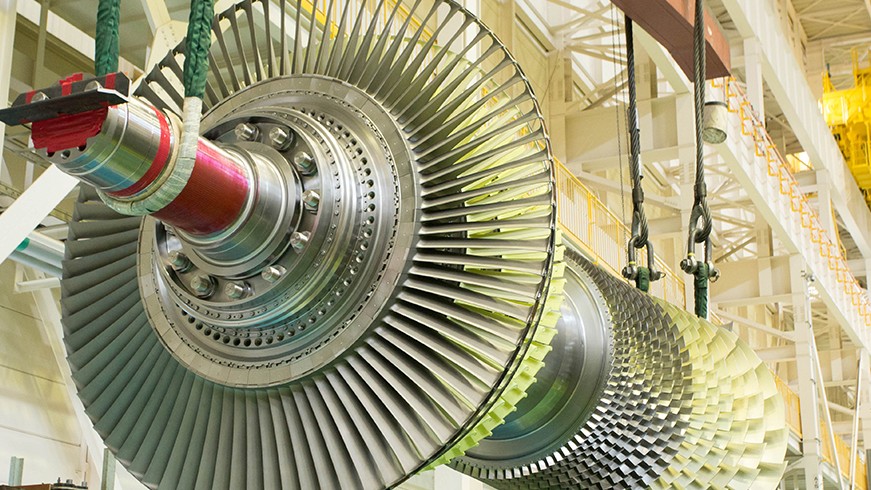
If GENCO is the answer, then what is the question? Simply put, is GENCO the answer to the question of how the electric industry can get into the AI action without compromising utility finances and disadvantaging the rest of the customers?
First, some history. The word GENCO (short for generating company) was applied to independent (unregulated) generators that proliferated like rabbits after deregulation at the turn of the century. A large number of them went bankrupt due to overcapacity, demand below expectations, and too much debt. Since utilities did not own local GENCOs, neither they nor their customers had to bail out the distressed GENCOs.
Now to the AI load. Regulated utilities would love to get this business, but if they put expensive new power stations built specifically to serve AI into their rate base, everyone's electric bill will rise, meaning that all customers would pay more to subsidize the AI load. And even worse, if the AI load did not materialize or dropped sharply, the rest of the utility's customers would still have to pay for that newly added, expensive power generating capacity. So, how about setting up a separate GENCO to serve the AI load, affiliated with the utility and its holding company, and finance it with its own debt, separately from that of the utility? Then, if the GENCO runs into difficulties, the utility and its customers, "ring-fenced" from the GENCO, won't be directly affected. Put the lawyers and bankers to work. Sounds great.
Of course, its success in insulating consumers from AI risks depends on the details. For instance, does the utility contract to buy the electricity for a term of years from the affiliated GENCO and then sell it to the AI center, with a contract that passes on all costs? Well, what if the duration of the utility's contract to purchase the power exceeds the actual (rather than the planned) life of the AI project? The utility and its customers are stuck, right? What if the utility improperly defines all the costs? Will consumers or the utility pay the shortfall? These are not academic questions. The AI firms have the money to splash around in political circles and in lawsuits, and the regulators often do not have the knowledge to judge the issues critically, leaving consumers with the short end of the stick.
From a financial standpoint, the GENCO idea is not as clean as it looks, either. First, if the utility signs a contract to buy from GENCO, GENCO will use that contract as security to raise funds. It will, in effect, borrow the utility's credit rating in order to obtain the lowest-cost debt. That is, utility consumers support the utility credit rating, and GENCO gets the benefit, without paying the utility's customers for the favor. Second, if GENCO gets into trouble, it will affect the financial standing of the holding company that controls GENCO and the utility; and because the holding company finances utility equity, that will affect the cost of the equity component of the utility's capital cost structure. Finally, management facing serious financial difficulties at a major subsidiary might just find ingenious ways to move money to it, despite ring-fencing.
Topics in this story
Gathered from external sources. Rights to this text belong to whoever originally published it.