Ray Dalio Just Explained Why He's Cautious on AI Stocks. Here's What He Said.
Dalio made his fortune by understanding historical trends and applying that comprehension to present conditions.
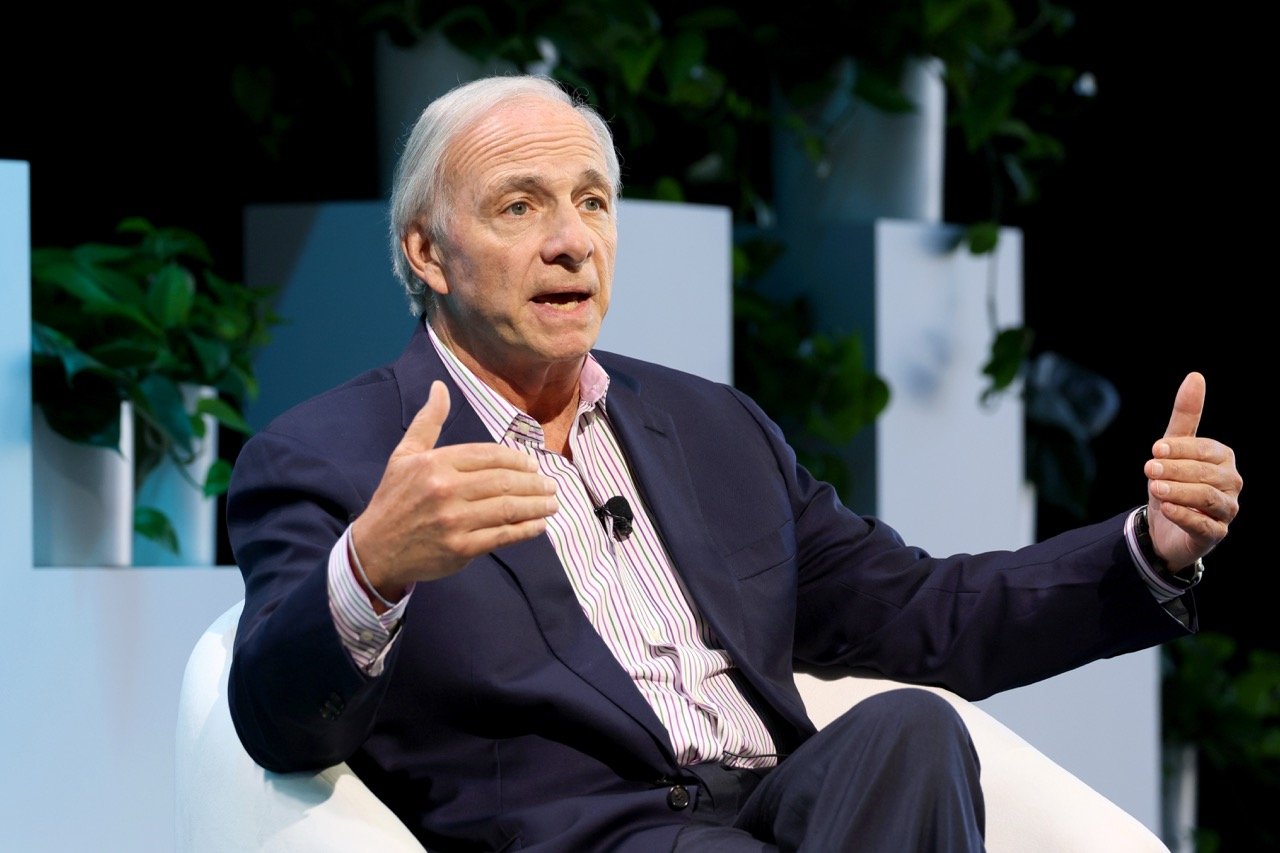
When Ray Dalio speaks, investors tend to listen, and likely for good reason. He ran Bridgewater Associates, the hedge fund he founded, for half a century, and over that time, he was one of the most successful investment managers in history.
In fact, he has long used history as a guide for deploying capital, and today, he believes history offers lessons for how investors should approach the AI boom. Specifically, he sees echoes of 1929 and 2000 in the current situation, and is urging investors to approach AI stocks with caution. Here is what he said and why investors may want to heed his advice.
Missed Nvidia in 2009? This Rare Signal Is Flashing Again. In 2009, a "Double Down" signal flashed for a little-known chipmaker called Nvidia. For the first time in years, that same "Total Conviction" signal is flashing for a company 1/100th the size of Nvidia. Continue »
First of all, investors should remember that Dalio has stepped down from Bridgewater. Thus, the fund's investments in AI stocks like ServiceNow and Nutanix were likely made without his input.
Given what he has said recently, he may even disagree with those purchases. When Dalio appeared on the podcast The Diary of a CEO in August, he said that AI shows "classic signs" of a bubble.
One can see this in the S&P 500 's cyclically adjusted price-to-earnings (CAPE) ratio , otherwise known as the Shiller P/E ratio. That metric is a gauge of how the broad market is valued relative to inflation-adjusted historical earnings, giving it a longer-term view. The CAPE ratio currently stands at 41. That is well above where it peaked right before the stock market crash of 1929 and just below the record high of 44 it reached in 2000, just before the dot-com bust.
Those are the historical parallels that Dalio cites in making his prediction about AI. In fact, he believes conditions have already begun to prick the bubble.
Investors should also note that when Dalio speaks of bubbles, he describes them in degrees of a bubble, avoiding a "bubble/not a bubble" binary. Hence, no single event is likely to prick the bubble. However, he cites events such as rising interest rates or wealth taxes that may trigger forced selling and tank stock prices.
Additionally, another common action in such times, secondary stock issuance, tends to dilute investor wealth, and since companies can theoretically issue as much stock as they want, dilution poses a real risk to investors. While that may not destroy the AI industry (the internet survived the dot-com bust, after all), such an event could cause investors pain.
Topics in this story
Gathered from external sources. Rights to this text belong to whoever originally published it.