World Running Short of Supertankers Threatens Long-Haul Oil Flow
The soaring cost of moving oil around the world is making some long-distance crude trades uneconomical, threatening to disrupt flows at a time when fuel mark...
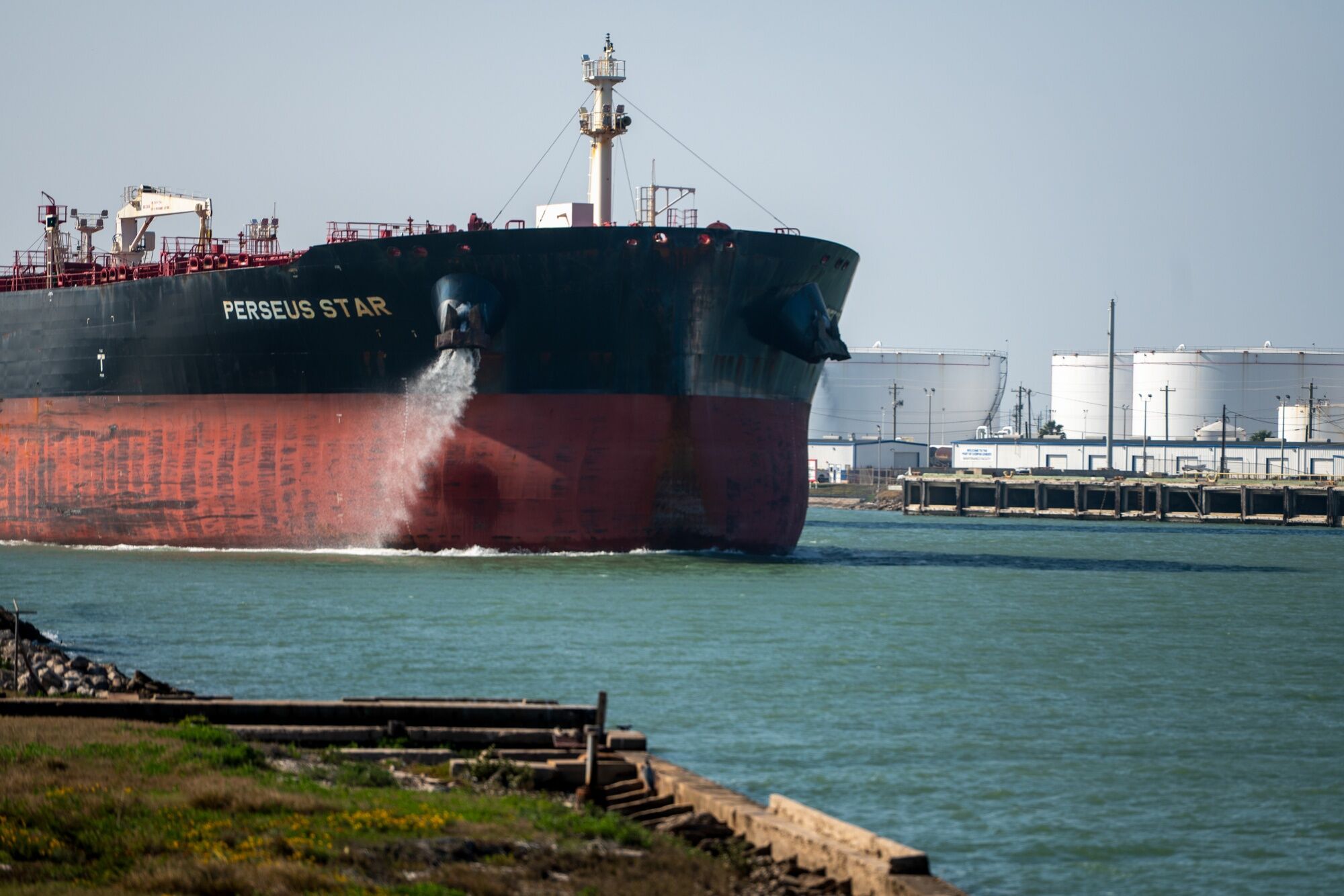
(Bloomberg) -- The soaring cost of moving oil around the world is making some long-distance crude trades uneconomical, threatening to disrupt flows at a time when fuel markets have never been tighter.
The jump is being driven by a shortage of available supertankers. In some parts of the world, there are barely any of the ships — each the length of three football fields — left for hire. The squeeze is making faraway barrels less attractive and encouraging refiners to snap up supplies closer to home if they can find them.
Moving a cargo from Houston to Asia now adds about $26 a barrel — $52 million a cargo — to the cost of supplying the world's largest crude-importing region. That's equal to roughly a quarter of the price of West Texas Intermediate futures. Before the war, shipping typically accounted for only a tiny fraction of the cost.
The rally is minting fortunes for the small group of shipowners that dominate the tanker market — several industry executives and brokers said the surge would previously have been unimaginable. The value of the world's largest oil tanker equities soared to a record of almost $70 billion this week.
But for oil traders, the risk is that shipping becoming prohibitively expensive. They're concerned that the higher costs make it unprofitable for some refiners to turn crude into fuels, deterring them from buying cargoes that have to sail over long distances, even when demand to make diesel and gasoline is strong.
On the industry's main benchmark route, very large crude carriers hauling 2 million barrels of crude from the Persian Gulf to China are earning upward of $1.2 million a day. Similar pressures are now spreading across the freight market globally.
"It has never been this expensive to move oil around," Saad Rahim, chief economist at trading giant Trafigura Group, said at the Bloomberg Commodity Investor Forum on Thursday. With freight becoming a larger portion of the value of the cargo, "it becomes a much bigger issue now when you start to think of that in terms of logistics."
Some long-haul routes that became crucial after wars disrupted energy flows are now looking unattractive as a result of the surge.
Topics in this story
Gathered from external sources. Rights to this text belong to whoever originally published it.