Fed predictions for 2026: Will a rate hike happen by the end of the year?
Will the Fed cut or raise interest rates in 2026? We reached out to economic experts for their Fed rate predictions. Here's what they had to say.
Some offers on this page are from advertisers who pay us, which may affect which products we write about, but not our recommendations. See our Advertiser Disclosure .
At the beginning of 2026, the biggest question surrounding the Federal Reserve and interest rates was whether the Fed would cut its target rate at some point this year. However, it's become increasingly clear that a rate cut won't happen any time soon. In fact, it's possible that the Fed may increase its benchmark rate before the year is over.
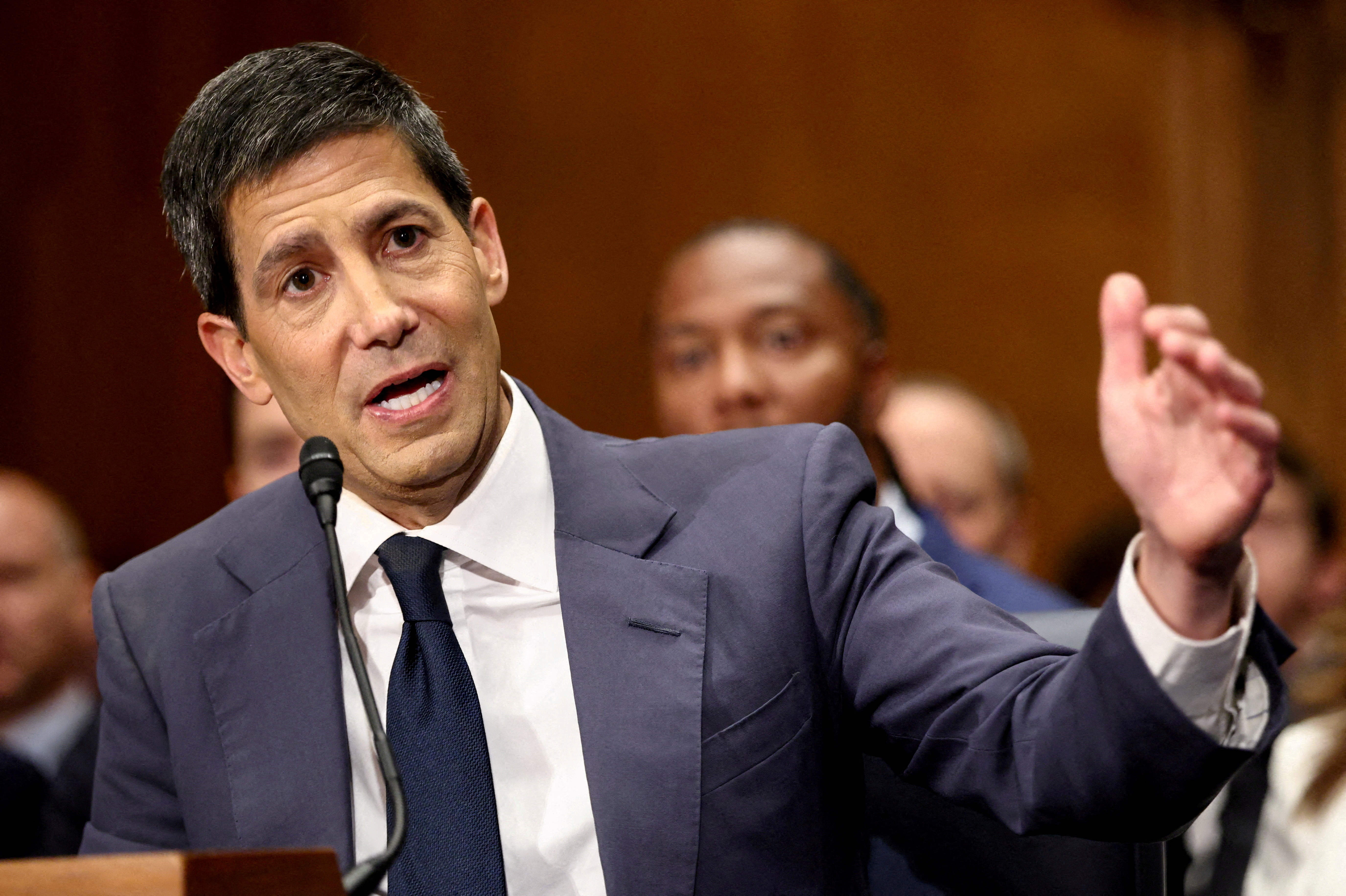
Following the Federal Open Market Committee (FOMC)'s most recent meeting in July, under the leadership of new Fed Chair Kevin Warsh , the committee announced its decision to maintain the target range for the federal funds rate at 3.50%-3.75%.
In its statement, the committee noted that "inflation remains elevated relative to the Committee's 2 percent goal, in part reflecting supply shocks that have driven price increases in certain sectors, including energy. The Committee will deliver price stability."
The Fed has not cut rates since late 2025, yet interest rates on consumer loans and bank accounts steadily decreased throughout 2026 — at least, until recently. Recent rate increases are a sign that the market is already pricing in a rate hike. And with a few more Fed meetings on the calendar for the remainder of 2026, consumers are wondering how potential rate changes could impact their bottom lines.
Here's what the experts have to say, and what you should do to prepare in the meantime.
What is the federal funds rate, and why does it matter?
The federal funds rate is the interest rate at which depository institutions charge each other for ultra-short-term loans, usually overnight. It's expressed as a range, and financial institutions negotiate a specific rate within that range.
The federal funds rate plays a key role in the Federal Reserve's management of inflation . When inflation is too high, the Fed typically raises its rate to reduce consumer spending and slow economic activity. Conversely, the Fed may lower its rate to stimulate economic activity and growth.
The federal funds rate doesn't directly affect the rates offered by individual banks, but it does have an influence. When the Fed's target rate increases or decreases, rates for high-yield savings accounts, certificates of deposit (CDs), money market accounts, credit cards, home loans, and other banking products generally follow suit.
That means when the Fed's rate is high, it can be a good time to deposit money in a bank account and earn more interest. When it's low, it's a good time to borrow money or refinance at a lower interest rate.
How the federal funds rate has changed over time
After inflation peaked in June 2022, the Fed implemented a series of rate hikes in an effort to tame rising costs. By July 2023, the federal funds rate reached a target range of 5.25%-5.5% — the highest it had been since 2006.
The Fed then held rates steady until September 2024, at which point it made a 50-basis-point cut. The federal funds rate was reduced by another 25 bps in November, and again in December.
Three more cuts occurred in 2025 — in September, October, and December — dropping 25 bps each time. However, the Fed has not made any rate cuts in 2026, so far. Currently, the Fed's target range is 3.5%-3.75%.
The Fed's job is to carefully monitor the economy and maintain stability. During each meeting, it may adjust the federal funds rate and overall monetary policy based on what the economy needs to continue running smoothly. However, it doesn't necessarily announce its plans ahead of time.
Economic experts monitor the economy's health closely and formulate their own ideas about the Fed's next move based on the data they have available.
For example, the Fed's latest dot plot shows that at least one rate hike is expected in 2026. And CME's FedWatch tool predicts a 95% chance of a rate hike following the conclusion of tomorrow's Fed meeting .
"Interest rate markets currently expect one or two rate increases," said Gary Pzegeo, CFA and chief investment officer at CIBC Private Wealth, a fee-based financial advisor firm headquartered in Chicago. "Energy prices cooled in June, but the escalation of hostilities in the Middle East have led to an increase in global crude oil prices and retail gasoline prices at home."
Pzegeo added, "it is difficult to predict how geopolitical events will play out, but the current trend would suggest the Fed will follow through with a rate hike to cool demand and offset the reduction in energy supply." He noted that if the Fed does raise rates, consumers should expect the cost of borrowing money to increase.
If the Fed raises interest rates, borrowing becomes more expensive while returns on deposit accounts often improve. Although no one can predict the Fed's next move with certainty, there are several steps you can take to protect — and even improve — your finances in anticipation of a rate increase.
Pay down high-interest debt. Variable-rate debt , such as credit cards and lines of credit, often becomes more expensive following Fed rate hikes. Focus on paying down these balances now so your interest costs don't increase if the Fed raises rates.
Refinance or lock in fixed rates if you plan to borrow. If you're considering a mortgage, auto loan, or personal loan, securing a fixed interest rate before borrowing costs rise can help you save money over the life of the loan.
Boost your emergency fund. A larger cash cushion can help you avoid relying on high-interest credit cards if borrowing becomes more expensive during a period of higher rates.
Shop around for better savings rates. Banks often increase yields on high-yield savings accounts , money market accounts , and CDs when the Fed increases its rate. So, it pays to shop around and ensure you're still earning the most competitive rate on your savings.
Build a CD ladder. If you expect rates to continue rising, a CD ladder lets you take advantage of future rate increases while still earning competitive yields today.
CD rates are going up. Here's why — and how to find the best rates.
Are CD rates expected to go up at all this year? Here's what the experts think about where CD rates are headed in 2026.
A look at the federal funds rate over the past 50 years: How has it changed?
The federal funds rate is a key tool used by the Federal Reserve to keep the economy running smoothly and manage inflation. Here's a closer look at the historical Fed interest rate over the past 50 years and how it compares to today.
How a Fed rate hike would affect your bank accounts, loans, credit cards, and investments
Here's how the Fed's rate decision could impact savings products, various types of loans, and credit cards.
When is the Fed's next meeting? See the full schedule for 2026.
The Fed meets eight times per year to evaluate the health of the economy and make decisions regarding monetary policy. Here's a schedule of the Fed's meetings for 2026.
The Fed holds eight regularly scheduled meetings each year. Here's what to expect.
Should you open a CD account before the Fed's next meeting?
Knowing how the Federal Reserve's monetary policy decisions impact your interest earnings over time is key to making an informed decision about where to put your money.
Topics in this story
Gathered from external sources. Rights to this text belong to whoever originally published it.