Hospitals say Trump's upcoming rules are worse than Medicaid cuts and will force layoffs: 'No need to cut any more'
“This is the most challenging economic time I’ve ever seen,” says one healthcare expert.
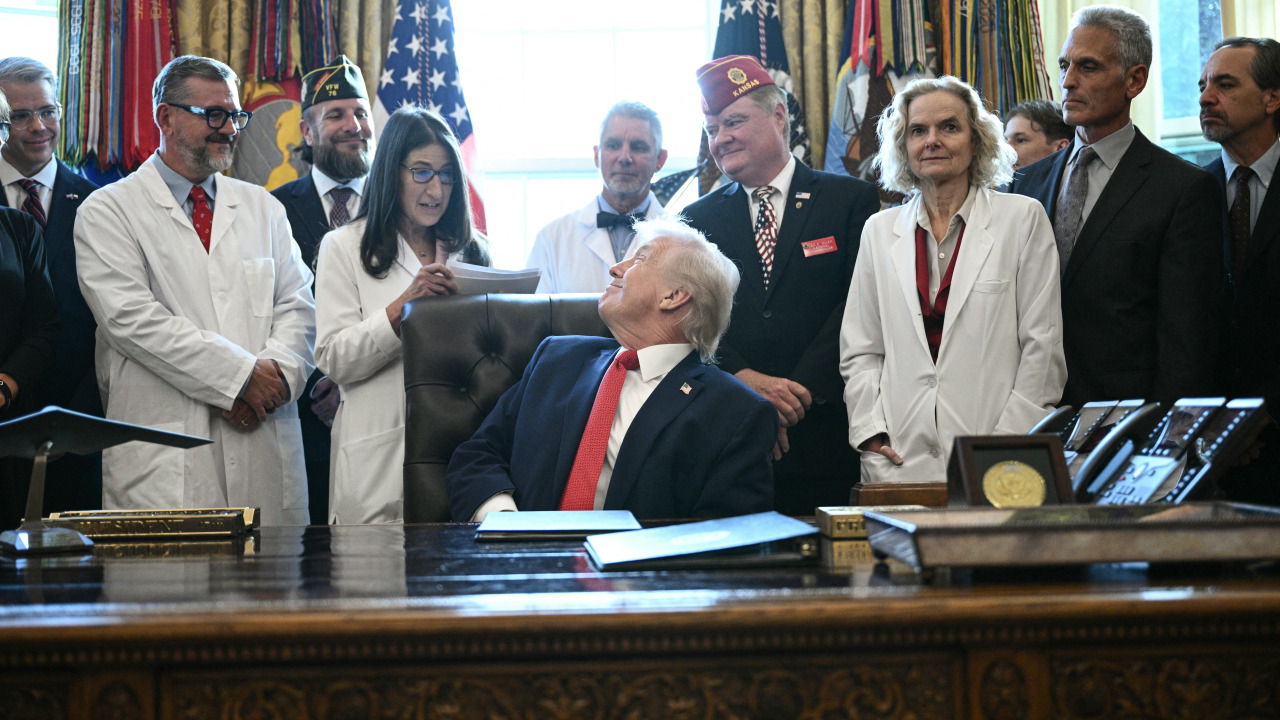
Craig Thompson used to fly to Washington about once a year — before inflation and shrinking Medicaid payments closed half of the maternity beds at his rural Missouri hospital system, and before Congress passed the One Big Beautiful Bill Act.
Now, the Golden Valley Memorial Healthcare CEO, whose 50-bed hospital runs the only maternity ward in about an hour's drive in any direction, makes the trip every other month as he tries to get the bill's Medicaid cuts reversed.
Jeff Bezos backs a platform that lets anyone invest in rental homes for as little as $100 — 6 ways to build wealth like a landlord without actually being one
Dave Ramsey warns nearly 50% of Americans are making 1 big Social Security mistake. Here's what it is and 3 simple steps to fix it ASAP
The tax breaks in Trump's 'big beautiful bill' expire after 2028. Here are 4 moves to make before the window closes
The law that he's fighting is on track to pull $911 billion in federal funding for Medicaid over a decade, and hospitals likely figured that was the worst of it. But the two rule changes the Centers for Medicare and Medicaid Services (CMS) has since proposed would go hundreds of billions deeper, executives told Politico — deep enough to potentially force hospitals to cut staff, close service lines, merge with bigger systems or shut down for good.
"Our core message to CMS is to stick to the statute. Congress cut enough," said Robert Nelb, director of policy at America's Essential Hospitals , a Washington-based association of hospitals that treat large numbers of low-income patients. "There's no need to cut any more out of the Medicaid system at a time when the safety net is really struggling."
Medicaid runs on a split bill : the states put up part of the cost while Washington matches it. For decades, many states have taxed their own hospitals, which enlarges the state's share on paper and pulls down a bigger federal match. The extra money then returns to those same hospitals as larger reimbursements.
Congress, however, narrowed that practice last year, along with state-directed payments — a separate tool states use to lift reimbursement rates for chosen providers, rural hospitals among them. But the CMS's two proposed rules would squeeze both even harder.
How much harder? The CMS' own actuaries put the provider tax rule at $246 billion in reduced federal Medicaid spending from fiscal 2026 through 2035, against the roughly $332 billion the Congressional Budget Office (CBO) scored for the provider tax and state-directed payment provisions Congress passed, according to an analysis by federal health officials.
Topics in this story
Gathered from external sources. Rights to this text belong to whoever originally published it.