Behind the Ticker: KMEM Bets on Memory Chip Bottlenecks
The growing memory chip shortage for the AI buildout extends much further than the AI ecosystem, and the recently launched
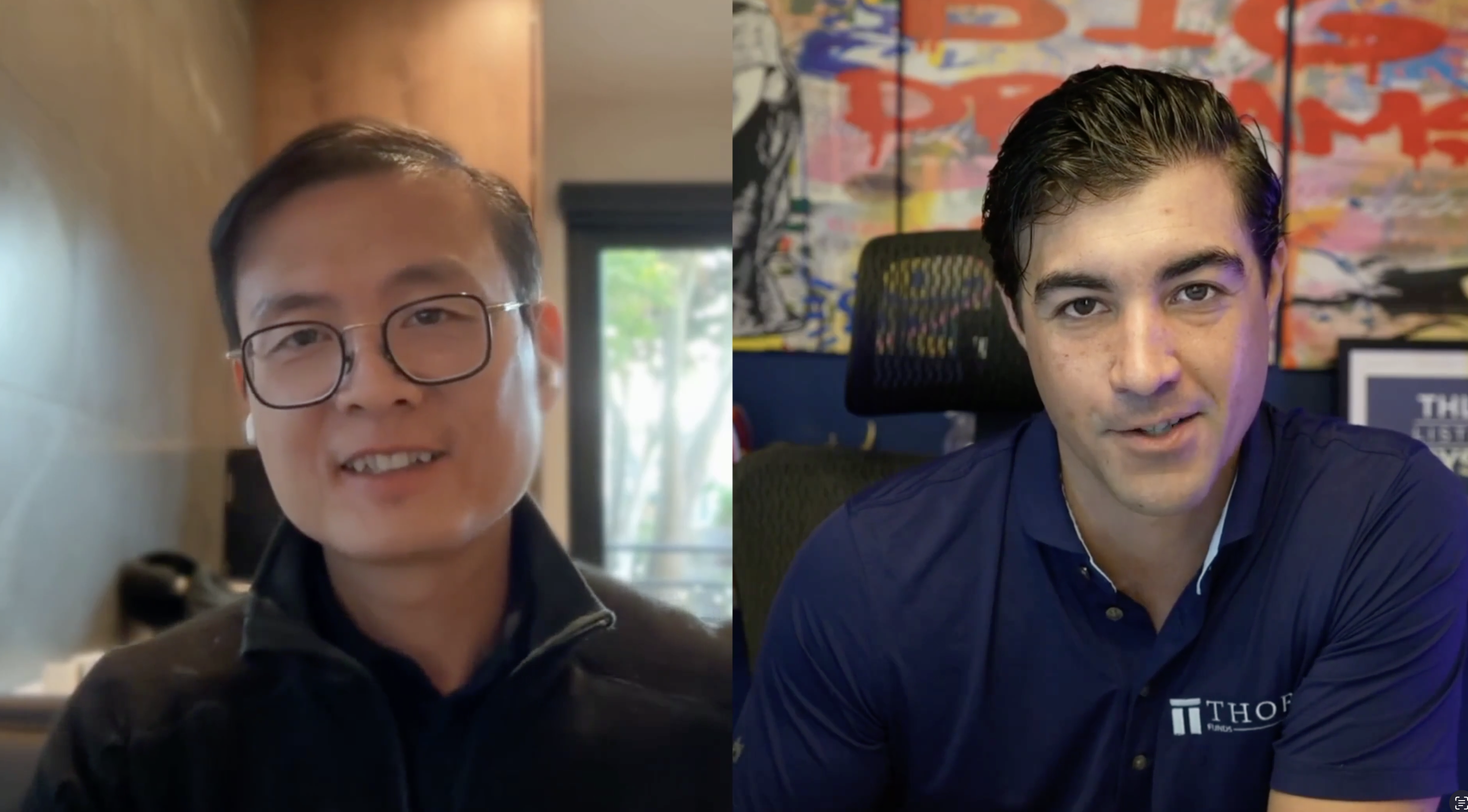
Two years after launching their first thematic ETF, Howard Chan, founder and CEO of Kurv Investment Management, is back on Behind the Ticker with host Brad Roth, with a fund that offers a new take on memory chip investing, investing in the mines instead of the picks and shovels around memory chips. The Kurv Memory Select ETF (KMEM) launched this summer and bets big on memory chips, the unglamorous but increasingly critical bottleneck behind every AI data center.
The thesis is a startlingly simple one that tackles the real issue of memory as the next chokepoint for AI, now that compute is relatively solved for. Newer gen AI models need to be able to remember previous prompts for more relevant framing, which requires massively more high-bandwidth memory stacked into chips. Three companies (Micron, Samsung, and SK Hynix) control roughly 90% of that market, and they're sold out of capacity through 2028. New fabs cost $30-50 billion and take years to build, and there's only one company on earth (ASML) making the lithography equipment to outfit them. That's why KMEM runs deliberately concentrated rather than diversifying downstream into chip buyers or diluting the pricing-power story.
Chan is candid about what could break the thesis and how the firm watches hyperscaler capex as a signal for greater memory chip spend as well as watching for new entrants trying to undercut on price the way Korean firms once did to Micron. However, he makes the case that the current cycle is different because the top three have bifurcated into specialized, moated HBM production while ceding commoditized chip-making. It's one of the main reasons your next iPhone, MacBook, Xbox, etc will cost more. He sees the bottleneck holding for two to four years, with upside risk from robotics adding yet another source of chip demand on top of AI.
Rounding out the conversation, Chan revisited KQQQ , Kurv's flagship Technology Titans Select ETF, now with two years of track record generating 15-18% income distribution while still outperforming its underlying. It does so by writing covered calls selectively on individual names that are moving sideways (think Netflix or Microsoft this year) rather than blanket-writing across the whole portfolio, preserving upside on stocks like semiconductors that are still running. Chan frames KQQQ as a complement to traditional dividend-equity strategies, arguing that pairing the two closes the gap that dividend investors have been leaving on the table by skipping tech growth. As for what's next, Kurv is teasing income-generating precious metals strategies and stacked tax-efficient portable alpha products, all built around giving investors growth and income exposure without the usual trade-offs.
Gathered from external sources. Rights to this text belong to whoever originally published it.