Wall Street banks had a blockbuster first half. Higher rates will test the boom.
Wall Street's biggest banks entered the second half of 2026 after one of their most profitable six-month runs in at least a decade. Then interest rates surge...
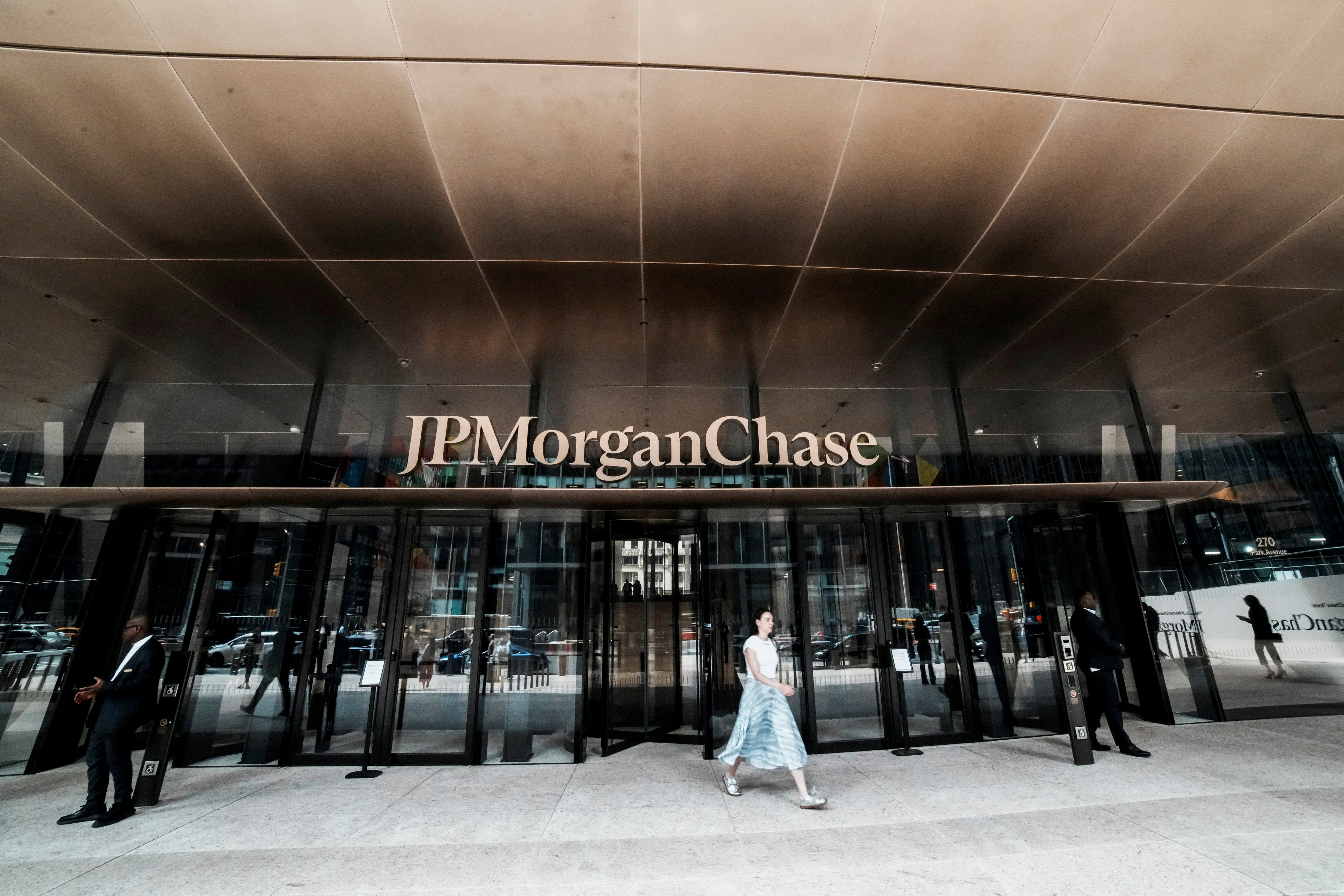
Wall Street's biggest banks entered the second half of 2026 after one of their most profitable six-month runs in at least a decade. Then interest rates surged.
When they kick off third quarter earnings on Tuesday, starting with JPMorgan Chase ( JPM ), Goldman Sachs ( GS ), and Citigroup ( C ), followed by Bank of America ( BAC ) and Morgan Stanley ( MS ) on Wednesday, investors will be hunting for clues around whether sharply rising interest rates are beginning to spoil the first-half boom.
Profits at these giants should fall from last quarter, as their revenues from trading, dealmaking, and financing are expected to retreat from the levels that powered standout second quarter results, according to analyst estimates compiled by Bloomberg. Still, most are expected to show profits rose from a year ago, with Bank of America and Morgan Stanley expected to prove the exceptions.
"Right now, you look out the window, and it feels okay. I think this is more about the risks than what's happening out the window," said Brendan Coughlin, president of regional lender Citizens Financial Group ( CFG ), which reports later next week.
The mood among investors has already soured. Collectively, these five banks have shed about $270 billion in market value from their respective summer highs through Friday's close, even as the S&P 500 ( ^GSPC ) remains up roughly 14% this year.
"A great deal of the recent underperformance for banks has been driven by the dramatic rise in long-term rates," UBS analyst Erika Najarian recently told clients. A Truist Securities survey earlier this month found just 35% of institutional investors expect bank stocks to outperform the broader market, down from 68% in July and 82% in December.
The key focus for investors next week is less on what higher borrowing costs mean for third quarter profits than on whether the rapid repricing of money will begin to undermine the unusually strong activity that defined 2026's first half.
Higher rates can initially lift banks' lending income, but they also raise deposit and wholesale funding costs, pressure bond portfolios, and complicate math for dealmakers.
The speed of the move in rates also adds unease. Macquarie strategists noted this week that many of the highest-profile financial blowups over the past 50 years happened shortly after abrupt moves in long-term bond yields.
Trading results are expected to bring the most immediate evidence for a Wall Street slowdown. In September, bank executives telegraphed softer activity , particularly in fixed income, compared to the frenzy that kicked up this spring.
Topics in this story
Gathered from external sources. Rights to this text belong to whoever originally published it.