Global bond sell-off deepens, sending borrowing costs higher around the world
The US 30-year Treasury yield rose as high as 5.46% Thursday, its highest level since 2004, extending a recent sell-off that’s seen yields climb around the globe.
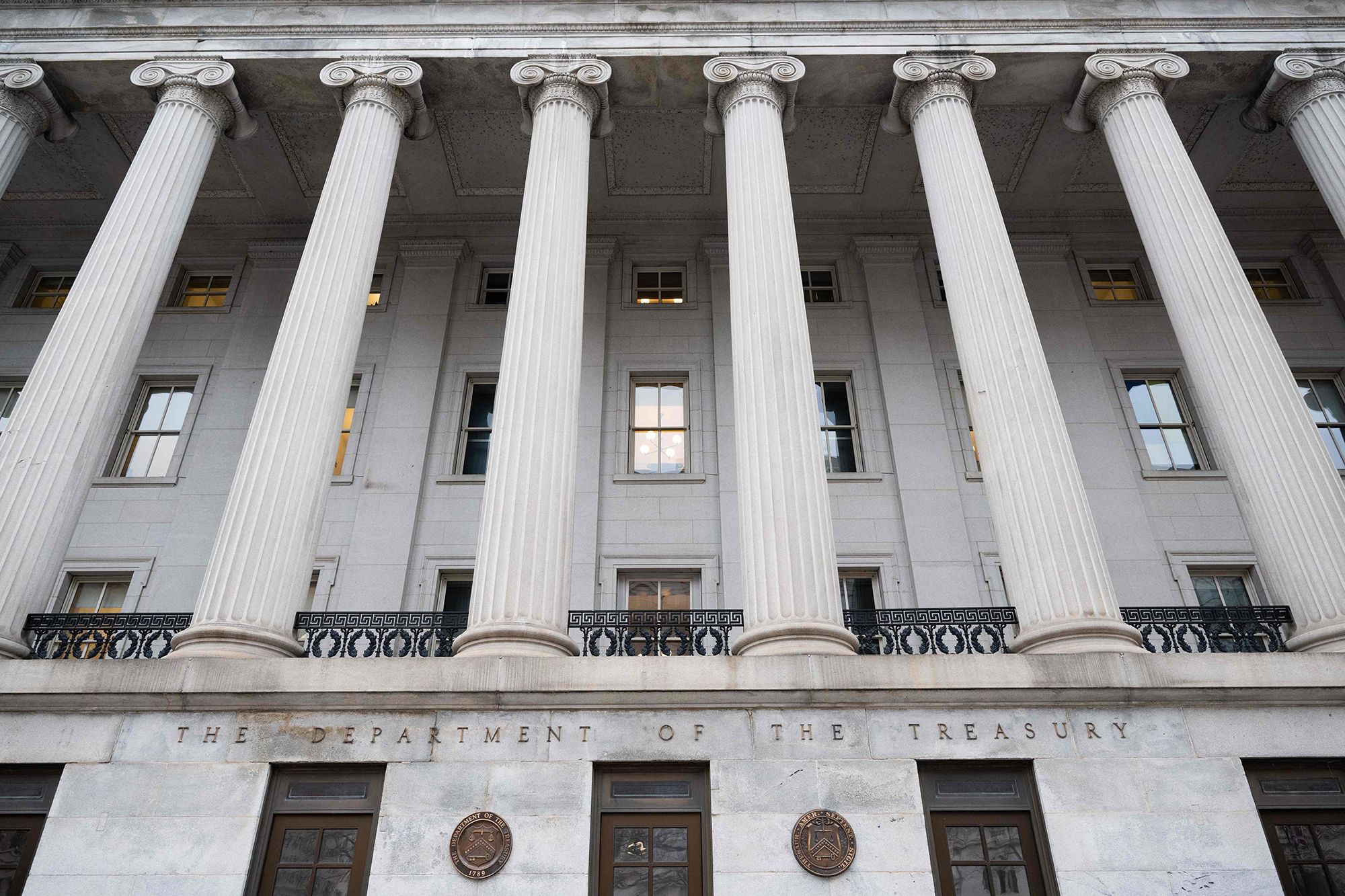
The US 30-year Treasury yield rose as high as 5.46% Thursday, its highest level since 2004, extending a recent sell-off that’s seen yields climb around the globe. Bond yields jumped this week, surging to fresh highs for this year. Thursday’s action follows a steep bond sell-off Wednesday after new data from S&P Global showed robust US business activity in September but hot inflation from higher energy prices. That data prompted traders to raise bet on the Federal Reserve raising interest rates further to tamp down inflation. Traders are pricing in a 69% chance the Fed hikes in October, up from 11% one month ago, according to the CME FedWatch forecasting tool. The key 10-year Treasury yield rose as high as 5.17% Thursday, a fresh high for this year and the highest level since 2007. Bond yields help set interest rates across the economy. As yields climb to multi-year highs, it pushes up the cost of borrowing for consumers, businesses and governments alike. Oil prices rose Thursday, with Brent crude trading around $104 per barrel. Brent rose as high as $108 per barrel before paring gains after Reuters reported that US and Iranian negotiators are discussing paths to reopen the Strait of Hormuz. The rise in bond yields is a global phenomenon: Ten-year yields in France and Germany rose to their highest levels since 2008. Japan’s 10-year yield rose to 3.08%, a level not seen since 1996. “Every major bond market’s feeling the heat at once,” Nigel Green, CEO at deVere Group, said in a note. Yields rise when bond prices fall. A sell-off is rattling global bond markets, sending yields higher, as traders adjust to the prospect of central banks raising interest rates. At the start of the year, some Wall Street analysts expected the Fed to have room to cut rates this year. But the energy shock caused by the war with Iran and a resilient economy have shifted the outlook. The two-year yield, which tracks expectations for Fed policy, has climbed from 3.48% at the start of the year to 4.9% this month. The surge in energy prices caused by the closure of the Strait of Hormuz reignited inflation pressures in economies around the world, leading to a shift in central banks’ outlook toward prioritizing raising rates. “Anyone positioned for a global easing cycle has had the ground pulled from under them,” Green said. To be sure, traders’ bets on central bank policy can shift depending on the outlook for oil prices and the conflict in the Middle East. Yields could pullback if traders start to scale back their bets on higher central bank rates. But for long-term bonds, which also move on factors including economic growth and inflation, some analysts say yields look set to remain elevated at multi-year highs. The rise in yields can also make life more expensive by pushing up the cost of mortgages, auto loans and other business loans. The Treasury Department on Thursday is set to buy back up to $6 billion in long-term US bonds in the second of a series of increased buyback operations first announced in August. Bond buybacks can help tame a rise in yields. Still, yields have pushed higher despite the buyback program, and investors say fundamentals are pointing to long-term yields remaining elevated for longer. Stocks initially dropped but rebounded after Reuters reported that US and Iranian negotiators are discussing a path to end the war. The S&P 500 rose 0.15%. Stocks are coming off a day in the red as the rise in bond yields puts pressure on the market.
Topics in this story
Gathered from external sources. Rights to this text belong to whoever originally published it.