US-China Summit begins with signs that the trade truce will stay in place — for now
The US-China summit got underway in earnest on Thursday with signals from both sides that importers may be able to count on some stability in the trading rel...
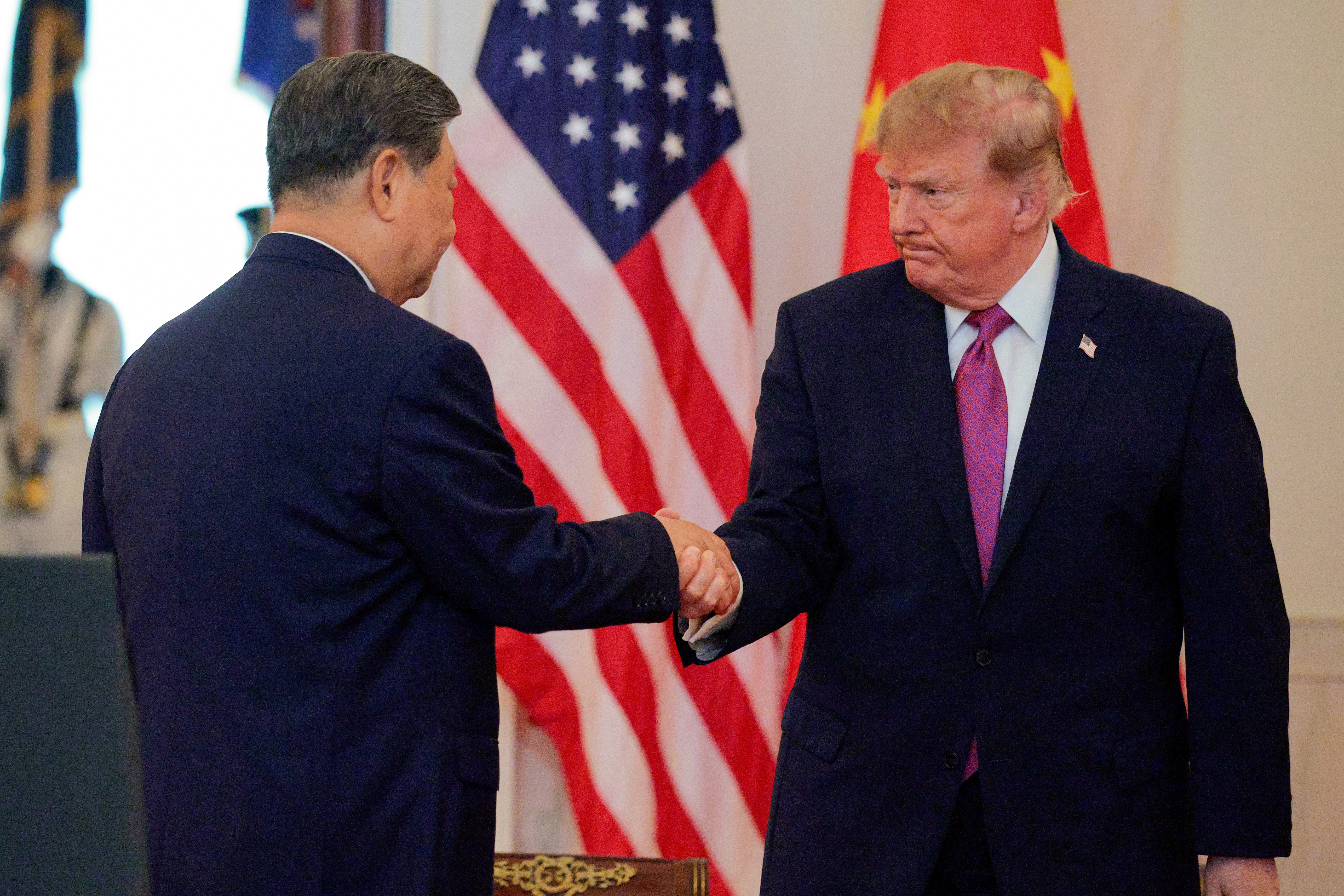
The US-China summit got underway in earnest on Thursday with signals from both sides that importers may be able to count on some stability in the trading relationship between the two nations for the coming few months.
Treasury Secretary Scott Bessent announced Wednesday that the US and China would extend their current trade truce — set to expire in November — by two months as he set up a new early 2027 deadline for continuing trade talks.
The Chinese didn't immediately confirm that extension, but Chinese President Xi Jinping opened the summit with notably conciliatory remarks on trade. He offered his support, according to a translation, for "a constructive China-US relationship of strategic stability" as well as increased flights "to facilitate two-way travel and trade."
A two-month extension could be a letdown for some importers who had been hoping for a one-year extension of the trade pact announced last year in South Korea, but the continuation of current tariff rates and rules for the remainder of 2026 could add a measure of stability.
The extension of the truce will last, Bessent said on Fox News , until Jan. 10, 2027, in order to "to give us more time to see what we can do on the economic front." He has also suggested that a bigger deal with China could be hammered out in the months ahead.
He told reporters in Washington on Wednesday, after a meeting with Vice Premier He Lifeng, that the Chinese "came up with the idea of a bigger deal" and suggested that the US is open to it.
Meanwhile, long-term certainty is more elusive, with both sides keeping options for further provocations on the table.
Trump's team is considering new 7.5% tariffs on China around the issue of overcapacity, but has delayed moving forward until after this week's meeting — and perhaps until after the midterm elections amid withering US public opinion of tariffs.
The current US tariffs on China, according to the Yale Budget Lab , net out to a 26.54% effective statutory tariff rate.
Bessent and Trump have repeatedly stressed that the US is ambivalent and would be happy with either an extension of current trade agreements or new talks.
President Trump said during an opening ceremony on Thursday at the White House that "our teams have been working to encourage a more balanced trading relationship."
At issue is a one-year truce announced in South Korea last October that included provisions suspending some tariffs and promises from the Chinese government on rare earth exports.
Topics in this story
Gathered from external sources. Rights to this text belong to whoever originally published it.