Bessent: China not among countries agreeing ‘cheap exports’ are unsustainable
Treasury Secretary Scott Bessent called out China on Tuesday for not wanting to address certain trade issues at the Group of 20 (G20) conference, saying the country did not agree cheap exports are “unsustainable.” At the end of the summit in Asheville, N.C., reporters asked Bessent, “What can you tell us about the other 19…
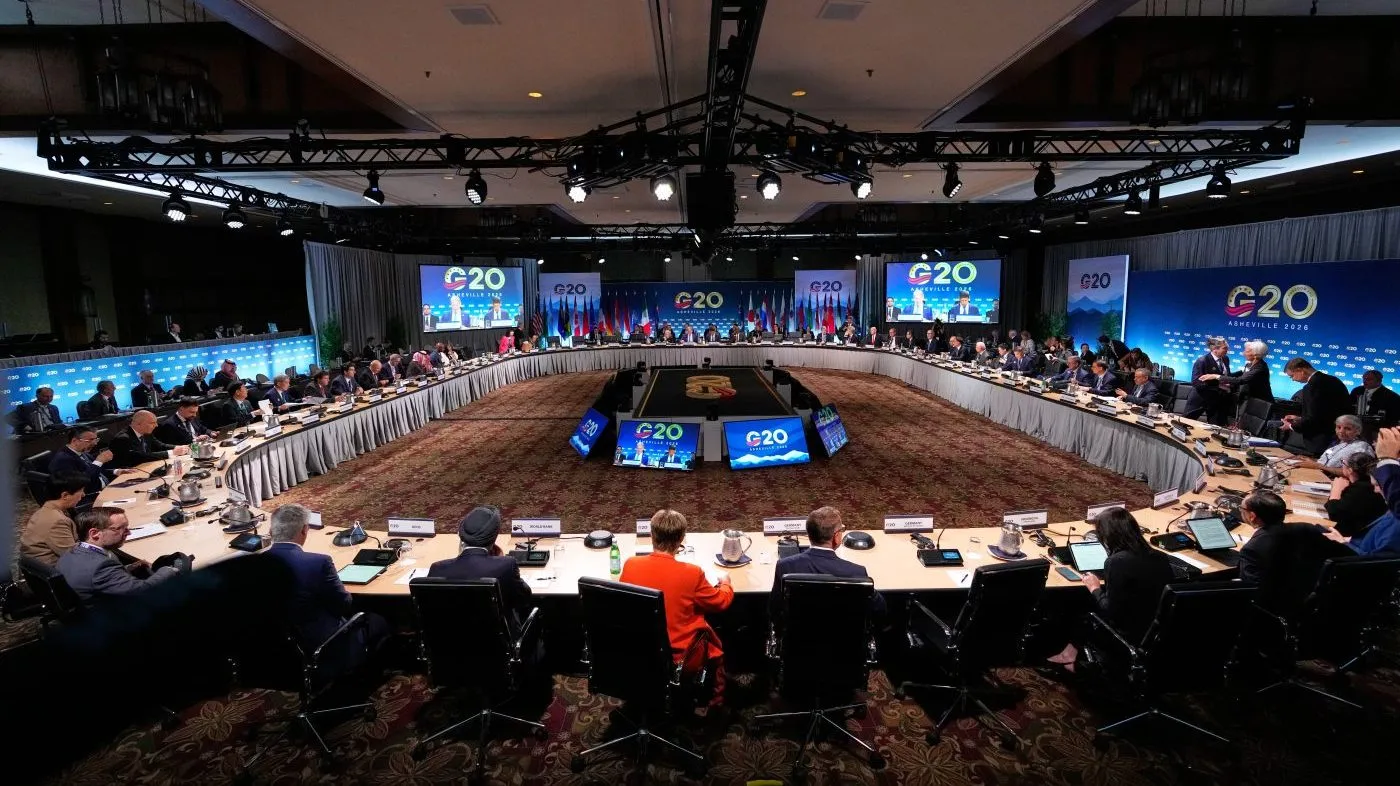
Treasury Secretary Scott Bessent called out China on Tuesday for not wanting to address certain trade issues at the Group of 20 (G20) conference, saying the country did not agree cheap exports are “unsustainable.”
At the end of the summit in Asheville, N.C., reporters asked Bessent, “What can you tell us about the other 19 in terms of actions that they’re willing to take? Are they willing to sort of increase their own trade defenses against Chinese imports?”
“I do think it is incredible to get 19 countries to agree to anything,” he responded. “The principles here from Asheville, that around the globe, we believe that non-market-based economies pushing out a never-ending stream of cheap exports is not sustainable.”
The Treasury secretary stated the fact that “19 countries did want to address this shows the enormity of the problem” — at first leaving out the name of the lone dissenter.
A reporter followed up with Bessent, asking which country was the outlier in trade conversations at the summit.
“Well, it is clear that the country with the world’s largest and unsustainable current account surplus, People’s Republic of China, was the dissenter,” Bessent told reporters.
“The rest of the world probably needs to take a hard look at what they should be doing to protect their citizens’ jobs, their manufacturing base, so that everything they do doesn’t get offshored,” he added.
Bessent had said before the conference that he wanted “the rest of the world … to examine their terms of trade with China.”
“The world cannot have a China with a $1.2 trillion trade surplus,” Bessent said at the time. “In China, the economy is quite weak, and they are trying to export their way out of it, and they need to rebalance their economy.”
U.S. Trade Representative Jamieson Greer already enacted 12.5 percent levies on Chinese goods in July . He determined at the time that China alongside 53 other countries were not imposing nor effectively enforcing a ban on the importation of goods produced with forced labor.
The Treasury Department in August also impacted China by ramping up its economic campaign against Iran. China is positioned as the Islamic Republic’s largest trading partner and primary buyer of its oil.
Bessent had initially hoped China and the U.S. could lift tariffs on certain imported goods during the summit.
The U.S. will host the G20 leaders’ summit this December in Miami after President Trump is scheduled to meet with Chinese President Xi Jinping at the White House on Sept. 24.
Chinese Foreign Minister Wang Yi said he hopes the scheduled meeting will help the nations “ overcome hurdles .”
Topics in this story
Gathered from external sources. Rights to this text belong to whoever originally published it.