Goldman Sachs sends blunt message on oil price, economy
Goldman Sachs’ note on oil markets and the Strait of Hormuz has real implications for the U.S. economy.
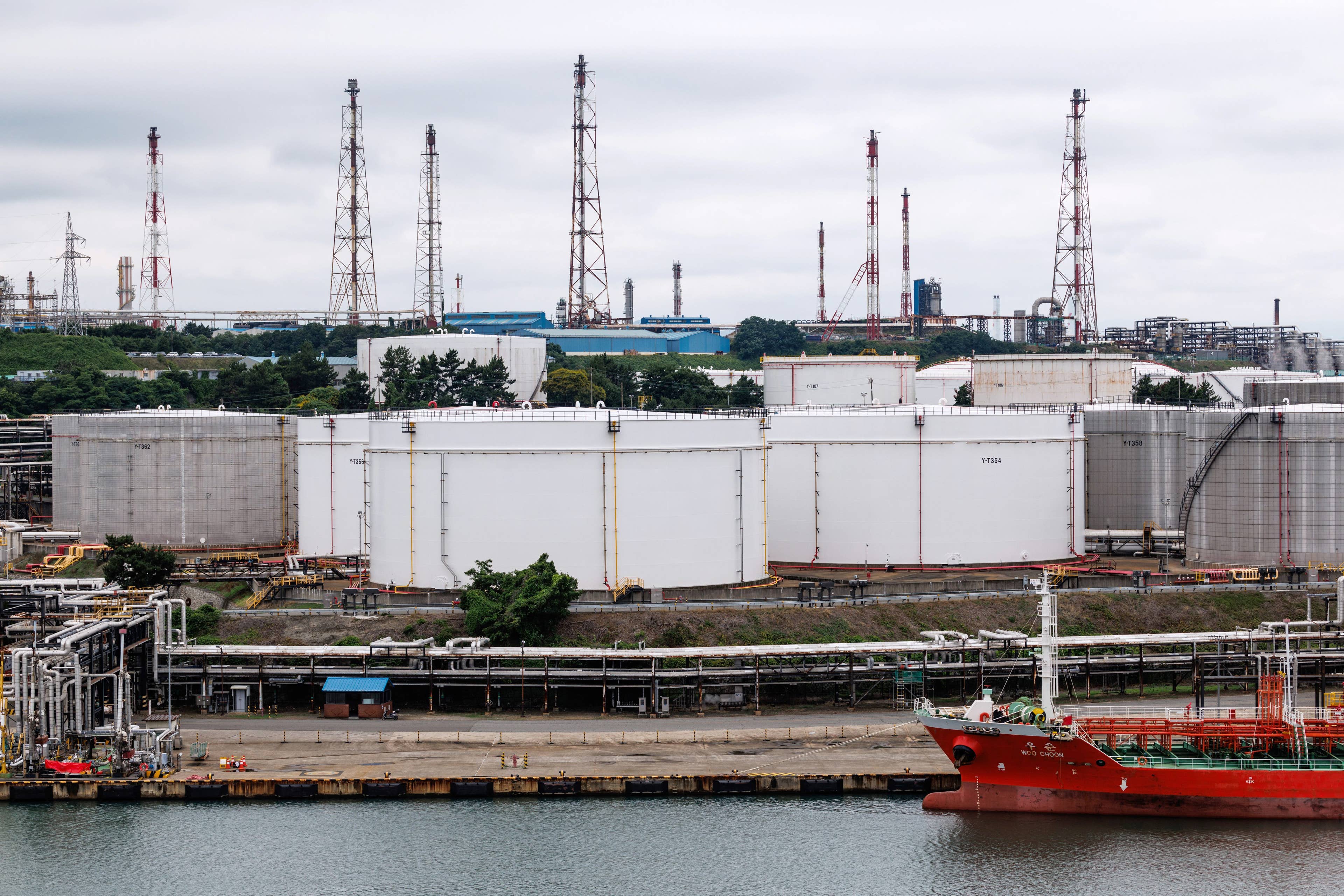
Oil prices surged above $120 a barrel in April as the Iran conflict choked the Strait of Hormuz and traders feared the worst.
Since then, something unexpected has happened. Prices have been falling. Not because the conflict ended, but because the market found a way around it.
Goldman Sachs analysts Daan Struyven and Yulia Zhestkova Grigsby published a note this week laying out why the energy market's recovery matters, what it means for different parts of the energy sector, and why crude oil faces less upside risk than many investors might expect, Bloomberg reported .
Why Goldman says Hormuz oil flows are recovering faster than expected
The Strait of Hormuz is the single most important oil chokepoint in the world. About a third of the globe's seaborne oil passes through it on the way from Persian Gulf exporters to global buyers.
When the Iran conflict escalated earlier this year, flows collapsed. Goldman estimates total crude and oil-product exports through the Strait fell to roughly 5 to 6 million barrels per day in March, down from about 22 to 24 million barrels per day before the conflict, Bloomberg reported .
Since March, that recovery has been steady. Flows now sit at approximately 15 to 16 million barrels per day. Still 7 to 8 million barrels short of prewar levels, but well above the March low. About 6 to 8 million barrels per day of crude specifically is transiting the Strait, according to traders who spoke with Bloomberg.
"The rise in dark crossings by specialized shippers, and in ship-to-ship transfers shows that producers and shippers are adapting to the Mideast conflict," Goldman wrote . "Higher dark flows could moderate the upside to crude oil prices even if Mideast disruptions last longer."
A dark crossing is when a tanker turns off its satellite transponder to avoid tracking. Ship-to-ship transfers move cargo between vessels mid-journey instead of following a standard route. Neither practice is new. Both are being used more heavily now. The oil is moving. It is just harder to see where it is going.
The result is that crude prices have fallen sharply from the April peak above $120. At the time of Goldman's note, oil traded around $89 a barrel. It has since slid further toward $83. The recovery in Hormuz flows is the primary reason.
Why European gas and refined fuels face more risk than crude
Topics in this story
Gathered from external sources. Rights to this text belong to whoever originally published it.