Buying packaged food? 6 things to check before it goes in your cart
Think about the last time you bought something loose from a neighbourhood shop.
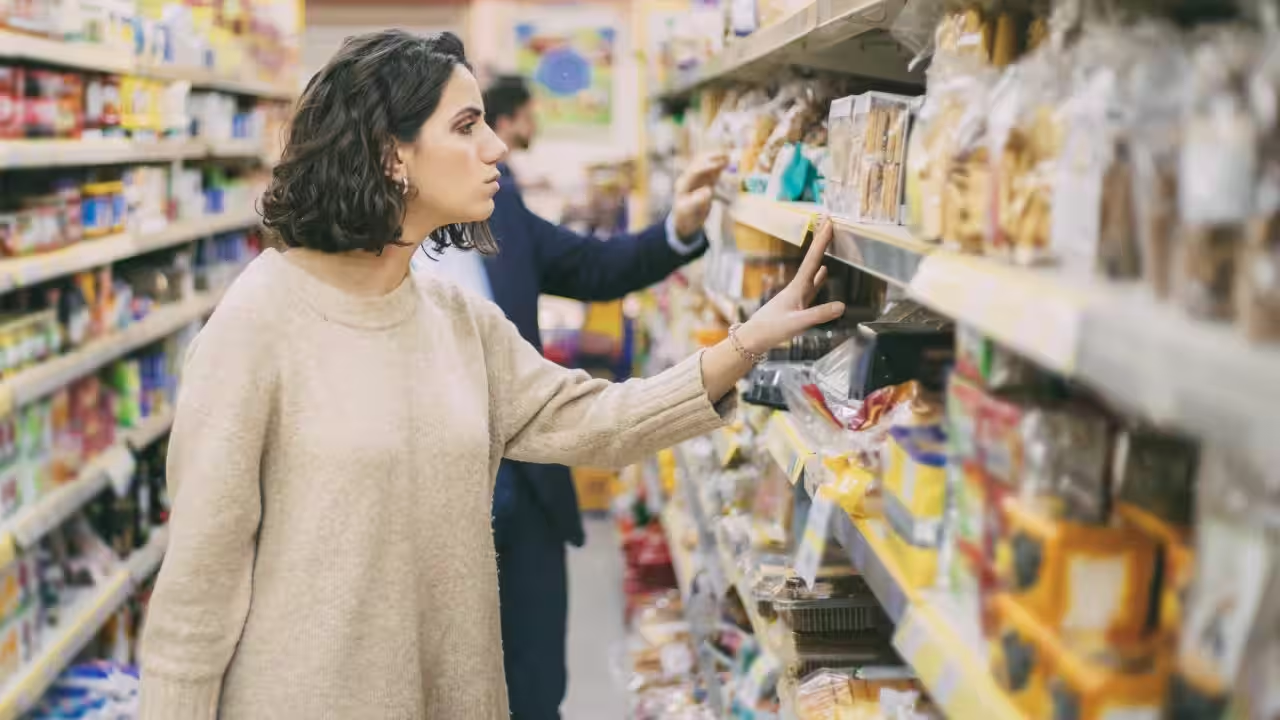
Think about the last time you bought something loose from a neighbourhood shop. You ask for the quantity you need, it is measured out, put into a bag and handed to you. It is quick, familiar and probably something you have done countless times.But have you ever wondered what happened to that food before it reached the shop?It may have been handled several times, stored in an open or shared environment, and exposed to dust, moisture, insects or changing weather conditions. When food is sold loose, there is often little for the consumer to assess beyond the product itself. You may not know how long it has been on display, how it was stored or what it may have been exposed to along the way.That does not automatically make loose food unsafe, but it does mean that some parts of its journey are not always visible to the person buying it.Why packaging mattersNow consider the alternative. You pick up a sealed package of food from a supermarket shelf. Before you even open it, the packaging provides valuable information. The seal helps protect what is inside, while the packaging material acts as a barrier against the outside environment. The label also tells you what the product is, its ingredients, quantity, date markings, storage requirements and other important details.In other words, the packaging does more than carry food home. It provides information that can help you make more informed purchasing decisions.The World Health Organization estimates1 that nearly 1 in 10 people worldwide fall ill after consuming contaminated food each year, underscoring the importance of protection, handling and storage at every stage of the food chain.The good news is that you do not need to spend minutes examining every packet on the shelf. A few simple checks can easily become part of your regular grocery routine.The grocery shelf checklist1. Check the pack and sealStart with the simplest thing: look at the package itself.Is it properly sealed? Does the seal appear intact? Is the packaging holding its shape as expected, without any obvious opening or compromise?The package is the food's first physical barrier against the outside environment, helping limit exposure to factors such as moisture, oxygen, contamination and physical damage. A compromised seal can affect that barrier, which is why it is worth taking a second look before buying.2. Look at the dateNext, check the date marking on the pack.It is easy to overlook this step when you are reaching for something familiar, especially when shopping in a hurry. However, the date marking is there to help you understand how long the product is expected to remain suitable for consumption when stored under the recommended conditions.Take a moment to locate the relevant date and make sure you are comfortable with it before placing the product in your cart.3. Check for signs of damage or tamperingNow, give the pack a quick visual once-over.Look for obvious signs such as tears, punctures, leakage, unusual swelling, broken closures or other damage that could suggest the package has been compromised.Nitin Thakur, General Manager - South Asia Polyethylene Market Development at ExxonMobil shared, “Consumers should watch for visible signs of package damage or tampering, such as leaks, dampness, stains, tears, or broken seals. These may indicate that the product has been exposed to contamination or no longer meets intended safety standards. Compromised packaging can allow air, moisture, or microorganisms to enter, potentially leading to spoilage or quality deterioration. Consumers should never use or consume products if the seal or packaging has been compromised.”Not every crease or dent necessarily means there is a problem, particularly with packaging that has been handled during transportation. The point is to notice anything that looks unusual enough to warrant choosing another pack.4. Read the storage instructionsA product's packaging can protect it, but it still needs to be stored in the right conditions.Check whether the packaging requires you to keep the product under a particular environment, such as a cool, dry place or under refrigeration. These instructions are especially useful because they tell you what conditions the product is expected to be kept in, both before and after purchase.A quick look at the storage information can also help you decide whether the product is practical for how you plan to store it at home.5. Look at the labelThe front of a package may be what catches your eyes, but some of the most useful details are often found elsewhere on it.Turn the pack around and check the label. Depending on the product, it may include the product name, ingredients, nutritional information, quantity, applicable allergen information, manufacturer or packer details, date markings and other required declarations.You do not need to read every line every time. Focus on the details that matter most to you and use the label to verify rather than assume.6. A quick check before you put it in your cartBefore the packaging makes it into your shopping bag, take one final look.Is the package intact? Is the seal fine? Have you checked the date marking? Any obvious damage? Do you know how it needs to be stored? Is there anything on the label you need to know before buying it?This entire check will take less than a minute.The idea is not to turn grocery shopping into a complicated food-safety exercise. It is simply about making use of the information and protection already built into packaged food.“The scent of lentils in steel drums, the hum of flies dancing from one barrel to another, and the simple joy of a neighbourhood convenience store remain etched in my memory. Today, groceries line up on the shelves at the supermarket and choice surrounds us in endless variety. Between these two worlds stands innovation in packaging, quietly shaping how we preserve, transport, protect, and experience what we consume. We have come far from where we began, yet the possibilities ahead are even greater,” shared Shyamangi Mitra, Regional Sales Director - South Asia for Polyethylene at ExxonMobil.The next time you are rushing through the grocery aisle, give the packaging a quick look before it goes into your cart. Check it, read it and then make your choice. Once it becomes a habit, these six checks can be just another small part of a smarter grocery run.Reference The above is non-editorial content, and TIL does not guarantee, vouch or endorse any of it. Please take all steps necessary to ascertain that any information and content provided is correct, updated, and verified.You use AI every day. Now get your AI Quotient. Take the AIQ test.
Topics in this story
Gathered from external sources. Rights to this text belong to whoever originally published it.