The AI data center build-out has made the US more reliant than ever on foreign semiconductors
It wasn't that long ago when the US ran a trade surplus in semiconductors.
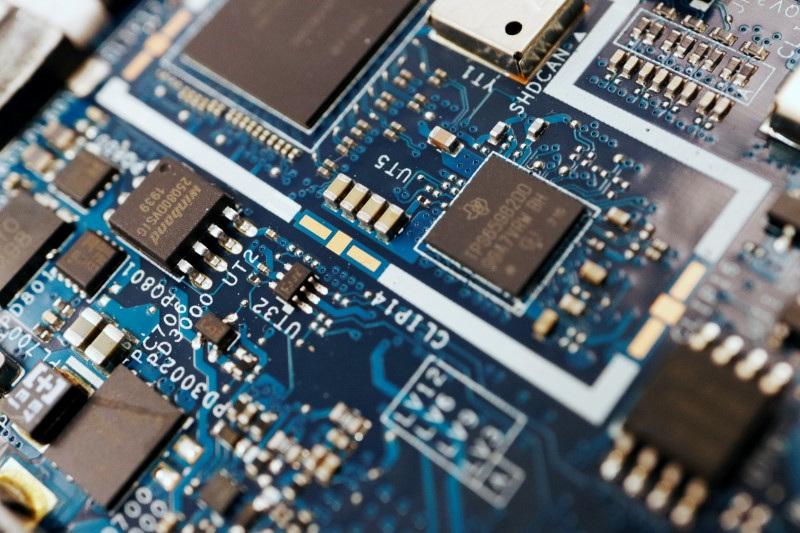
It wasn't that long ago that the US ran a trade surplus in semiconductors. But a trend toward that began about a decade ago has been supercharged in 2026 by the build-out of AI data centers.
New trade deficit figures released this past week show that the US imported nearly $90.5 billion in chips during the first eight months of 2026, almost twice the $49.2 billion brought in at the same point in 2025.
Semiconductor exports have also seen a gradual rise in 2026, jumping by over $10 billion in evidence of growth in the US sector, but are being far outpaced by skyrocketing demand.
The new data from the Commerce Department's Bureau of Economic Analysis shows similar trends in related products such as computers and computer accessories, which have also seen imports skyrocket in 2026.
The trade deficit was "boosted by relentless business spending on high-tech goods associated with the AI buildout, which shows no signs of slowing," Grace Zwemmer, a US economist at Oxford Economics, wrote in an analysis.
She added that AI spending falls under the category of capital goods imports, which has risen an eye-popping 66% year over year. "We expect capital goods imports to support strong growth in total imports well into 2027," Zwemmer said.
Big Tech is about to spend trillions to dominate the AI era
Google raises capex growth expectations again
National security worries and US chip manufacturing
The surge in chip imports might help fuel the US economy — with AI companies driving recent strong earnings gains and stock prices overall — but comes as Washington has been preoccupied with the issue of US semiconductor manufacturing dependence for years.
It was a rare issue that saw bipartisan action with the 2022 passage of the Chips and Science Act . That bill put hundreds of billions of government dollars behind an effort to rebuild US chip manufacturing, even as all of the world's leading chip designers are based in the US.
The law has led to significant progress in manufacturing under both the Biden and Trump administrations, with multiple semiconductor manufacturing facilities breaking ground.
Companies are quickly expanding semiconductor manufacturing in the United States, according to the 2026 State of the US Semiconductor Industry report from the Semiconductor Industry Association.
But it's not enough to keep up with the skyrocketing demand for chips, especially the most advanced types of chips needed for frontier AI models.
The latest data shows that the US imported $15.4 worth of semiconductors in August against $7.8 billion in semiconductor exports for a monthly trade deficit of $7.6 billion.
Topics in this story
Gathered from external sources. Rights to this text belong to whoever originally published it.