Critics say California got too little in deal to let Paramount buy Warner Bros
WASHINGTON, Sept 21 (Reuters) - Critics swiftly decried a California-driven settlement with Paramount Skydance that cleared the way for its $110 billion acqu...
WASHINGTON, Sept 21 (Reuters) - Critics swiftly decried a California-driven settlement with Paramount Skydance that cleared the way for its $110 billion acquisition of Warner Bros Discovery, saying it will hurt competition in Hollywood, failed to protect jobs and lacks substantial concessions from the media conglomerate.
Opponents of the merger accused California Attorney General Rob Bonta and Governor Gavin Newsom of caving to wealthy interests, particularly Paramount CEO David Ellison, after Paramount threatened to leave the state if the lawsuit was not dropped.
"Today, billionaires have yet again bribed, censored, and bullied their way to the top," said Alvaro Bedoya, a former member of the US Federal Trade Commission and adviser at the American Economic Liberties Project. "Layoffs will follow. People from L.A. to Atlanta will lose their jobs, small businesses will lose their contracts, your cable bill and movie ticket will be even more expensive."
Disappointment with the settlement rippled beyond Hollywood, illustrating a growing split in the Democratic Party between moderates, who are more business-friendly, and progressives, who seek a harder line to deliver affordability for US consumers.
US Senator Elizabeth Warren, a Democrat from Massachusetts, criticized the deal, and said Paramount is a "clear candidate for antitrust scrutiny in a future pro-competition administration."
"This settlement greenlights an anti-monopoly disaster that will result in higher prices and fewer jobs, and enables a handful of billionaires to call the shots in the American media," she said.
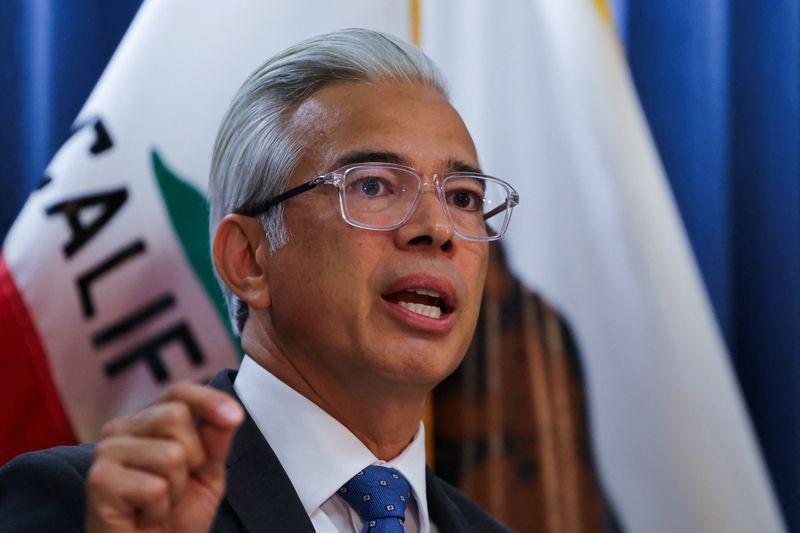
Bonta, in a press conference on Monday, said the settlement is "not a vote of support" of the acquisition, because "it does not serve competition well." But he also argued it would amount to more production in California.
Ellison said on Monday that the deal will strengthen competition and benefit consumers and workers.
Spokespeople for Paramount and Bonta did not immediately respond to requests for comment on the reaction by critics of the deal.
Bonta had said from the outset that structural remedies, where a company sells off part of its business, are superior to promises to change or uphold business practices.
Yet the settlement does not require Paramount to sell off any cable channels, or any component of what Bonta said made Paramount and Warner such a formidable combo in theatrical film distribution, such as its lucrative intellectual property.
Topics in this story
Gathered from external sources. Rights to this text belong to whoever originally published it.