Why Japan’s markets matter so much for America
From surging bond yields to US intervention to support the yen, Japan’s financial markets are undergoing major shifts that have consequences for investors and borrowing costs around the globe.
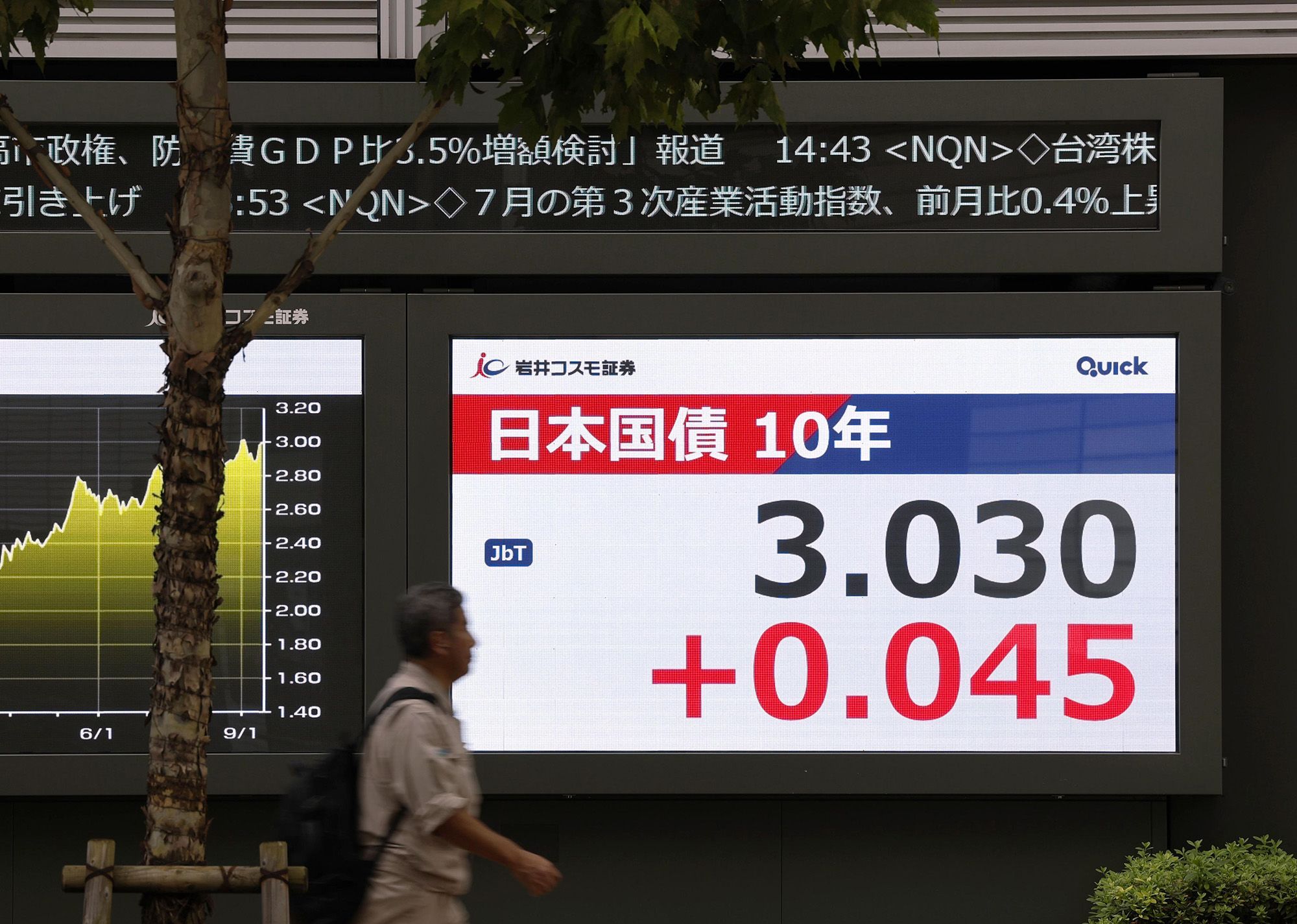
From surging bond yields to US intervention to support the yen, Japan’s financial markets are undergoing major shifts that have consequences for investors and borrowing costs around the globe. Bond yields in Japan have soared to their highest levels in three decades, boosted by inflation, the Bank of Japan raising interest rates and investors’ concerns about the government’s spending plans. Meanwhile, the yen continues to fluctuate after a historic joint intervention by Washington and Tokyo. The moves in Japan’s bonds and currency have reverberations across the global economy. Japan is the largest foreign holder of US Treasuries, making it a key player for how much money flows in or out of US bond markets. US Treasury Secretary Scott Bessent has embarked on an extraordinary campaign this year to intervene in markets to support the yen. Analysts say Bessent’s actions aim to prevent Japan from selling its dollar assets – like Treasuries – to boost the value of the yen. Further selling in Treasuries could push up US interest rates when there are concerns about affordability and a steady rise in yields. The US and Japanese financial markets are becoming increasingly intertwined. And their relationship is back in focus this week as world leaders gather in New York City for the UN General Assembly. President Donald Trump and Japanese Prime Minister Sanae Takaichi are expected to meet Tuesday. Here’s what to know about recent changes in Japan’s markets, and why there are ripple effects across US and global markets. Bond market Stubborn inflation, higher central bank interest rates and nerves about government spending have driven borrowing costs higher across the globe. Japan has been among the hardest hit in the bond market sell-off. Yields on 10-year government bonds in the United States, France, Germany and the United Kingdom have climbed to their highest levels in nearly 20 years. In Japan, the 10-year yield recently hit its highest level in 30 years. The rise in yields is a sign that economies across the world are entering an era of higher interest rates — and exiting the era of ultra-low interest rates that became a defining feature of the global economy after the 2008 financial crisis. The Bank of Japan — or BOJ — started raising interest rates in 2024, a major change after decades of ultra-low rates aimed at combating deflation. The BOJ hiked rates just last week in an effort to cool down inflation, its second increase this year. Bond yields rise when prices fall. Bond prices have slumped in Japan, sending yields soaring, as investors adjust to persistent inflation and the BOJ raising rates. Meanwhile, markets are trying to assess Takaichi’s budget plans. Investors are wary of her plans for tax cuts and increased government spending, which would swell borrowing needs when Japan already has an enormous debt load. In turn, they’re demanding more compensation – or higher yields – to hold Japan’s debt. The rise in Japan’s yields matters for global markets because it can push up yields elsewhere, including the United States. It also shows how concerns about government spending can translate into higher borrowing costs as investors demand more compensation. Meanwhile, higher yields in Japan can make buying Japan bonds more attractive for investors – who could pull money out of other markets. The yen Currency markets are also in focus ahead of the expected Trump-Takaichi meeting Tuesday. The US Treasury in late July intervened in currency markets to boost the yen after the Japanese currency hit its lowest level against the dollar in 40 years. The move was a historic joint intervention with Japan. The yen hasn’t re-touched those lows since then, but it has weakened closer to those lows in recent weeks. Analysts say the intervention was aimed in part at preventing Japan from selling assets, including US Treasuries, to support its own currency. Data released by the Treasury Department showed Japan reduced its holding of Treasuries in May, June and July. If Japan sells Treasuries, it can push prices lower and yields higher. That’s put more attention on the trajectory of the yen. Bessent has notably taken interest in trying to manage how Japan’s currency markets impact US markets. “There are a multitude of factors that at a minimum could create quite a bit of volatility in the market and weigh on the US Treasury market,” Adam Turnquist, chief technical strategist at LPL Financial, said. “I think that’s why you’re seeing more and more conversation and commentary from the Treasury about how the Bank of Japan should handle their monetary policy.” Traders are also on alert for just how strong the yen becomes. A strengthening yen while the BOJ is raising interest rates could unravel the so-called carry trade, where investors borrow cheap yen to invest in higher-yielding assets. If the yen rapidly strengthens while Japan’s interest rates are already rising, it suddenly becomes more costly to borrow in yen and investors could be forced to sell their other assets – like stocks and US Treasuries – to close their trade. While the United States wants to avoid the yen weakening so much that Japan has to sell assets to boost its currency, it also doesn’t want the yen to strengthen so fast that it draws investors away from other markets like the US. It’s a fine line to walk and highlights the sensitivity of US markets to what happens in Japan. Any sharp moves in Japan’s bond and currency markets could ripple through to global markets and affect US investors. “Stability is key,” Turnquist said.
Topics in this story
Gathered from external sources. Rights to this text belong to whoever originally published it.