Frustrated farmers could become a midterm problem for Republicans
Farmers are a key voting group for Republicans, but their votes could be on the line, with the Iran war and President Trump’s tariff and trade wars driving up production costs along with diesel and fertilizer prices. The Trump administration has been rolling out financial assistance packages and projects for farmers in hopes of shoring…
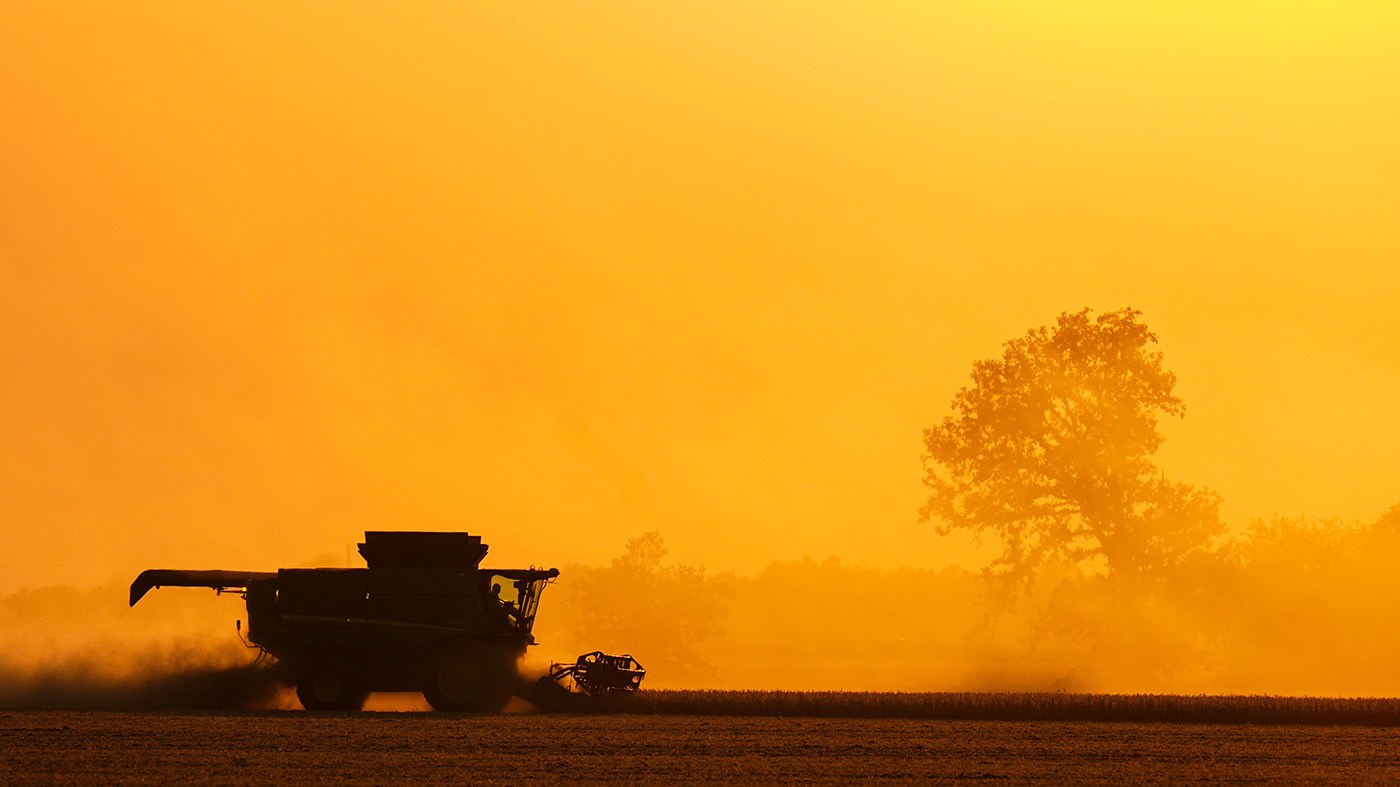
Farmers are a key voting group for Republicans, but their votes could be on the line, with the Iran war and President Trump’s tariff and trade wars driving up production costs along with diesel and fertilizer prices.
The Trump administration has been rolling out financial assistance packages and projects for farmers in hopes of shoring up the electorate in next week’s midterm elections. Yet they may be right to be anxious about the voting bloc’s turnout.
“Yes, I think they’re nervous. Yes, I think they should be, and yes, I think that farmers are pretty ticked off,” said Amy Frederiksen, a former Minnesota Republican Senate majority leader.
Frederiksen said farmers “don’t want to vote for a lot of the Democrats’ nonsense.”
“They want to vote for Republicans, but this is their business, these are their families, and it doesn’t appear that anyone’s listening,” she said.
Republican House and Senate candidates in farm states like Ohio, Iowa, Kansas and Nebraska are facing unexpectedly tight races this midterm season. Some have pressured the Trump administration and Congress to address the rising costs for farmers.
Trump won 69 percent of the rural vote in 2024, but recent polls have shown that the voting group is not happy with how they’ve fared under Trump since the election.
“It has to be a reflection of tariffs, input costs, food costs, markets being barred, and diesel and gas prices,” Frederiksen said.
A poll from KFF and The Associated Press found that roughly 6 in 10 rural voters disapprove of how Trump is handling the economy, and the group overwhelmingly named the cost of living as the top issue they want a candidate to talk about.
Farmers are struggling with prices amid the ongoing Iran war. The average price of diesel per gallon is roughly $6.35, and fertilizer costs have also risen. Ninety-four percent said their financial situation has worsened or remained the same from last year, a survey released by the American Farm Bureau Federation in April found.
Still, the KFF/AP poll shows that rural Republican voters still trust the GOP more to handle issues like healthcare and the cost of living, meaning it’s more likely Republican voters might skip the polls next week instead of voting Democrat.
“I think you’ll see some poll to Democratic candidates, but I also heard a number of people tell me that they just don’t feel like they can support anybody in this election, and that’s a shame,” said Nick Levendofsky, director of the Kansas Farmers Union.
Brian Reisinger, a rural policy expert and author of “ Land Rich, Cash Poor ,” said this election will be “the biggest test yet of the Republican Party’s standing in rural America.”
“The risk that exists is whether farm communities and other rural communities turn out at the same level or whether they stay home, and some folks at the margins end up willing to vote for a blue-collar Democrat who they think is fighting for them,” Reisinger said.
“We’re not going to see all that shift toward Republican control of rural areas completely reverse,” he continued. “But will we see it slump? Possibly. Will we see some of them willing to vote for a Democrat who feels like they’re from their district and connect with their economic frustrations? Possibly. Could those things happen enough to impact the direction of the election? Absolutely.”
Trump announced an $8 billion Harvest Fuel Relief Program last week while stumping for Republican Sen. Roger Marshall in Kansas, telling the crowd that it will “offset diesel costs during this harvest season.”
The $8 billion fund will be available for one-time payments to farmers, a release from the Agriculture Department said.
Vice President Vance in Nebraska last week announced a $1.3 billion investment in domestic fertilizer plants, with two plants planned for the Cornhusker State.
And Trump has promised the sale of E15 — fuel blended with 15 percent ethanol — year-round instead of being restricted during the summer if Marshall is reelected in Kansas. It’s also a major issue in Iowa, home to close races for governor and Senate.
This all came after other agriculture promises, like an executive order signed to increase the availability of red-dyed diesel — a diesel with red dye added to show that it’s tax exempt. It’s typically used by farm and construction equipment.
But the promises have done little to quell farmers’ fears and anger.
“Personally, I think it’s too little, too late. They should have been doing something as far as relief a long time ago,” Levendofsky said. “I think it’s their last-ditch Hail Mary … to try to pull in some votes ahead of the election. And I don’t know if it’s going to do them any good, to be honest.”
Aaron Lehman, a fifth-generation Polk County farmer and president of the Iowa Farmers Union, said in a statement that the “Hail Mary pass to fix a problem his policies created is a good example of why the Iowa Farmers Union made the decision to endorse all five Democrats running to represent Iowans in the US Senate and House of Representatives.”
“Farmers never should have been put in this position. A Band-Aid response now, 2 weeks before the election, doesn’t fix the problem,” Lehman said.
Ryan Horn, founding partner of Nebraska-based Bullhorn Communications, predicted that Republican voters who typically vote in the midterms will show up at the polls but also said the announcements by the Trump administration “probably won’t change the decision points for most voters.”
The White House defended Trump’s announcements.
“Farmers suffered for years under [former President] Joe Biden, who increased the United States’ trade deficit to over $1.2 trillion, raised input costs, and pushed woke DEI [diversity, equity and inclusion] agricultural policies,” Anna Kelly, White House principal deputy press secretary, said in a statement.
“In contrast, President Trump is helping our agriculture industry by negotiating new trade deals, lowering input costs, bolstering the farm safety net, doubling the death tax exemption, ending taxes on rural property loan interest, creating rural opportunity zones, and more,” she continued.
Still, Reisinger said, candidates should focus on connecting their policies to the long- and short-term needs of the rural communities.
“I think that anybody who isn’t nervous, anybody who takes the rural vote for granted, is going to find that it is a lot more independent and unpredictable than we think,” he said.
“It’s certainly solidly red and solidly conservative, but how much that rural vote is willing to turn out, and how much of that rural vote can maybe get peeled off a little bit at the margins by Democrats, all of that comes down to: Are you taking rural voters seriously and are you making sure you’re not taking them for granted?” he added.
Topics in this story
Gathered from external sources. Rights to this text belong to whoever originally published it.