Treasury proposes curbs on high-tech investments in China, Russia, North Korea
The Treasury Department on Thursday proposed a rule to curb American high-tech investments, including AI, outbound to U.S. adversaries like China, Russia, North Korea and other “countries of concern.” The rule expands restrictions in the Outbound Investment Security Program (OISP) on hypersonic systems and quantum information technologies, high-performance computing and supercomputing, as well as AI.…
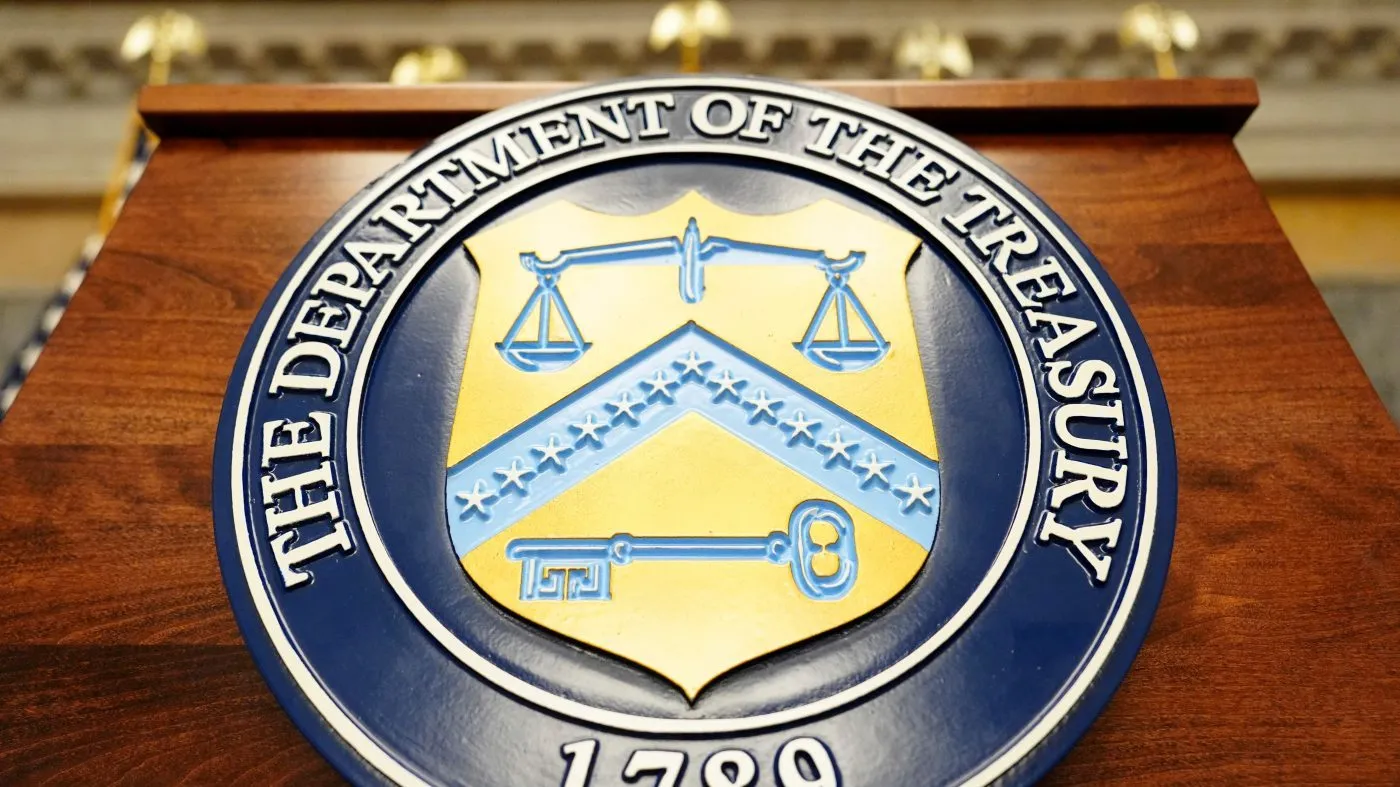
The Treasury Department on Thursday proposed a rule to curb American high-tech investments, including AI, outbound to U.S. adversaries like China, Russia, North Korea and other “countries of concern.”
The rule expands restrictions in the Outbound Investment Security Program (OISP) on hypersonic systems and quantum information technologies, high-performance computing and supercomputing, as well as AI. Treasury Secretary Scott Bessent added biotechnology to the regulations.
The department’s proposal would apply to investments exceeding $50,000 and excludes financial investments such as stock purchases.
Treasury officials said these rules implement what Congress passed with the 2025 Comprehensive Outbound Investment National Security (COIN) Act.
“The proposed regulations would strengthen the existing Outbound Investment Security Program to prevent our adversaries from using U.S. investment to develop critical technologies that threaten U.S. national security,” Bessent said in a statement.
“This important step also helps promote our commitment to an open investment environment by providing clarity to U.S. and foreign investors as well as an opportunity for them to provide feedback on the proposed regulations,” Bessent added.
Former President Biden launched the program in 2023 via an executive order placing restrictions on outbound investments in sectors like semiconductors and quantum computing sent to China. The Treasury Department later established the program as OISP.
The proposal is a first step “in a fairly long process to get to changes which presumably will be more enforcement-minded, to put more teeth behind the outbound investment program,” former U.S. trade official Ryan Majerus told The Associated Press .
Public comments about the proposal will be made before the Treasury issues a final rule.
The U.S. and China have agreed to ease tensions over their competing technological advancements, though both countries have restricted the export of sensitive technology and critical products.
The Department of Homeland Security (DHS) on Monday ordered that products from the Chinese AI startup DeepSeek be removed from federal agency IT systems, citing “multiple threat vectors.”
DHS warned that some of DeepSeek’s commonly used applications could transfer “sensitive data to the PRC [People’s Republic of China] if used by U.S. government or vendors.”
Chinese Foreign Ministry spokesperson Mao Ning said Tuesday that Beijing “consistently opposes overstretching the concept of national security and politicizing tech and trade issues.”
The Chinese Ministry of Commerce accused the U.S. of trying to suppress China under “the guise of national security,” and said the order disregarded agreements reached between President Trump and Chinese President Xi Jinping, The Associated Press reported.
“China will closely monitor the situation and take all necessary measures to firmly defend its legitimate rights and interests,” the commerce ministry stated, per the AP.
Topics in this story
Gathered from external sources. Rights to this text belong to whoever originally published it.