Dirty Jobs' Mike Rowe: Skilled labor shortage remains the 'pinch point' for the new economy
The skilled labor gap remains a challenge.
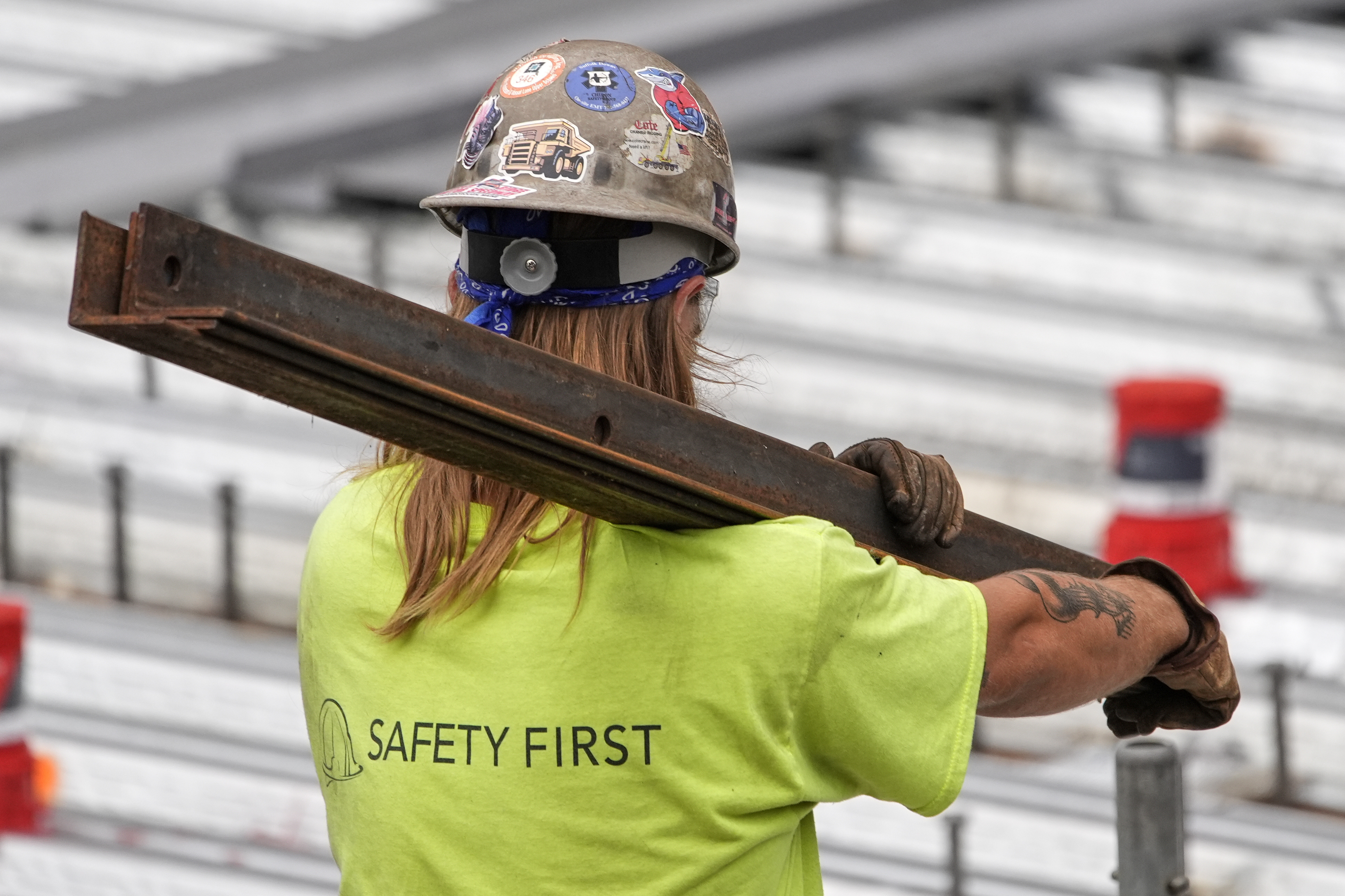
Companies ignore the growing skilled labor shortage at their own risk.
"The skills gap is real," Dirty Jobs creator and host Mike Rowe said on Yahoo Finance's Sozzi Unleashed (video above). "It's really wide, it's really dangerous, and now as we enter what looks to be a really new infrastructure build out and a really new economy, it's going to be the pinch point."
Rowe is the ultimate advocate for America's skilled trades. Best known for hosting the smash-hit Discovery Channel series "Dirty Jobs," Rowe built a career highlighting the grittiest corners of our workforce.
Now, through his MikeroweWORKS Foundation , he's solving the skills gap head-on by funding millions in vocational scholarships, creating what he calls the AI-proof career pipeline for next-generation plumbers, welders, and electricians.
The US will need to fill 1.7 million skilled trade jobs annually through 2035, according to a new report out Wednesday from the Alliance for America's Skilled Trades. Current training programs produce just 55 workers for every 100 needed.
The Alliance for America's Skilled Trades was founded by BlackRock ( BLK ), Ford ( F ), Google ( GOOG ), GOOGL ), and Carhartt. But the challenge of finding these workers to build out AI infrastructure is evident in who the alliance is adding today: Meta ( META ), Microsoft ( MSFT ), Nvidia ( NVDA ), and Waymo.
"It's terrifying to see the numbers," Rowe said.
The skilled trades job gap matters as the US builds the infrastructure that powers AI. Employment of electricians, HVAC technicians, and industrial machinery mechanics is projected to grow at twice, three times, and five times, respectively, the rate for all occupations, the report shows.
By 2034, Arizona will need 29,000 electricians, Texas will need 86,000 auto mechanics, and North Carolina will need 19,000 carpenters.
The report sheds light on what is known as the "essential economy," which includes construction, utilities, agriculture, transportation, oil and gas, and equipment manufacturing. It accounts for $12 trillion of the gross domestic product, 95 million jobs, and 3 million businesses.
This area of the economy continues to experience labor shortages as older workers age out, and Gen Z has been reluctant to take on demanding jobs like loading trains. Meanwhile, some existing workers lack the skills to stay current as AI becomes embedded throughout the supply chain.
The jobs pay well and are in high demand, Rowe said. People just need to develop the skills.
Topics in this story
Gathered from external sources. Rights to this text belong to whoever originally published it.