30-year bond yield now highest in 20+ years
The 30-year U.S. Treasury bond yield hit a two-decade high on Thursday, before falling later in the morning. The yield on the 30-year bond reached 5.45 percent during late morning trading, the highest intraday mark since 2004. That peak came after the note hit 5.446 percent and sank by roughly 2 basis points earlier Thursday.…
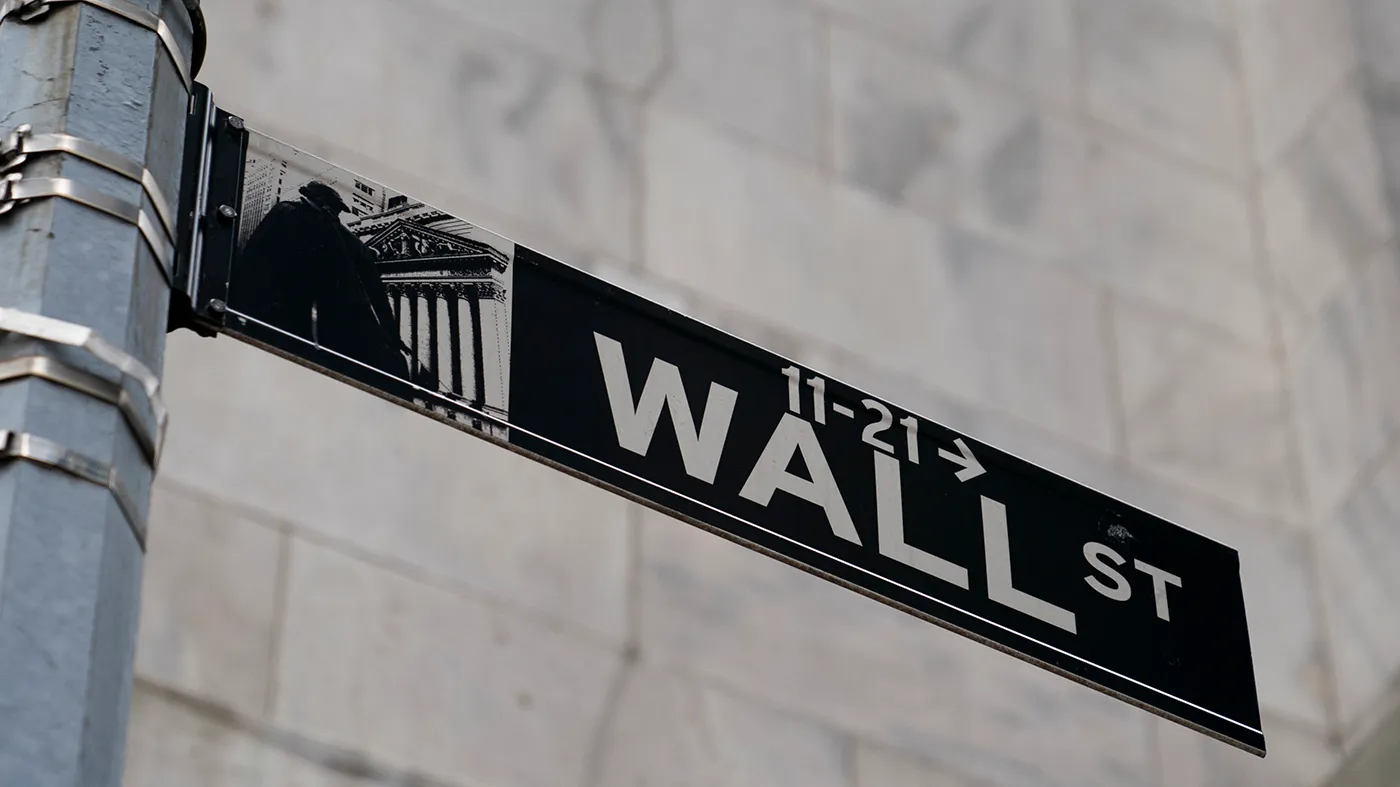
The 30-year U.S. Treasury bond yield hit a two-decade high on Thursday, before falling later in the morning.
The yield on the 30-year bond reached 5.45 percent during late morning trading, the highest intraday mark since 2004. That peak came after the note hit 5.446 percent and sank by roughly 2 basis points earlier Thursday.
The 30-year bond yield has risen throughout the Iran war , after closing at 4.63 percent the day before the U.S. and Israel launched the conflict. The note rose to its highest level since 2007 last month before hitting a 20-year high Thursday.
The war, which the Pentagon had spent $42 billion on as of last month, has led to increased oil prices due to the Islamic Republic’s restrictions on shipping in the Strait of Hormuz.
West Texas Intermediate crude oil, the North American benchmark, was trading at more than $95 per barrel on Thursday — after again topping $100 last week. Brent crude , the international marker, was trading at more than $107 per barrel.
Investors have also fled the bond market amid rising public debt. The U.S. national debt is roughly $40.1 trillion, after hitting the $40 trillion threshold in August.
The Japanese 10-year bond yield also hit a three-decade high on Wednesday, reaching 3.08 percent. The 10-year Treasury bond yield , meanwhile, is at a 19-year high .
“Yesterday was a terrible day for global bond markets and today looks no better,” the Brookings Institution’s Robin Brooks wrote Thursday on the social platform X .
Investors’ expectations about the Federal Reserve raising interest rates are also driving the bond market sell-off.
Multiple central bank officials this week have forecasted future rate hikes , after the Federal Open Market Committee (FOMC) voted unanimously last week to raise rates by a quarter point.
“In my base case, further policy adjustments are likely to be needed to ensure inflation comes down to target in a timely fashion,” Fed governor Michael Barr, a member of the FOMC, said Wednesday at the central bank’s Chicago branch.
Traders are pricing in a roughly 70 percent chance that the FOMC will hike rates at its late October meeting, according to the CME FedWatch tool as of late morning Thursday.
If the Fed raises rates and pushes inflation down toward its 2 percent target, that could slow the rise in bond yields, Charles Schwab’s Collin Martin noted Wednesday.
“Ironically, Fed rate hikes may prevent long-term yields from rising much further if they help keep inflation expectations in check,” Martin wrote in an analysis .
Topics in this story
Gathered from external sources. Rights to this text belong to whoever originally published it.