How Trump could wrest Citgo from Elliott Management and hand it back to Venezuela
The fate of Citgo may be decided by whether the Trump administration opts to hand it to Elliott or Venezuela.
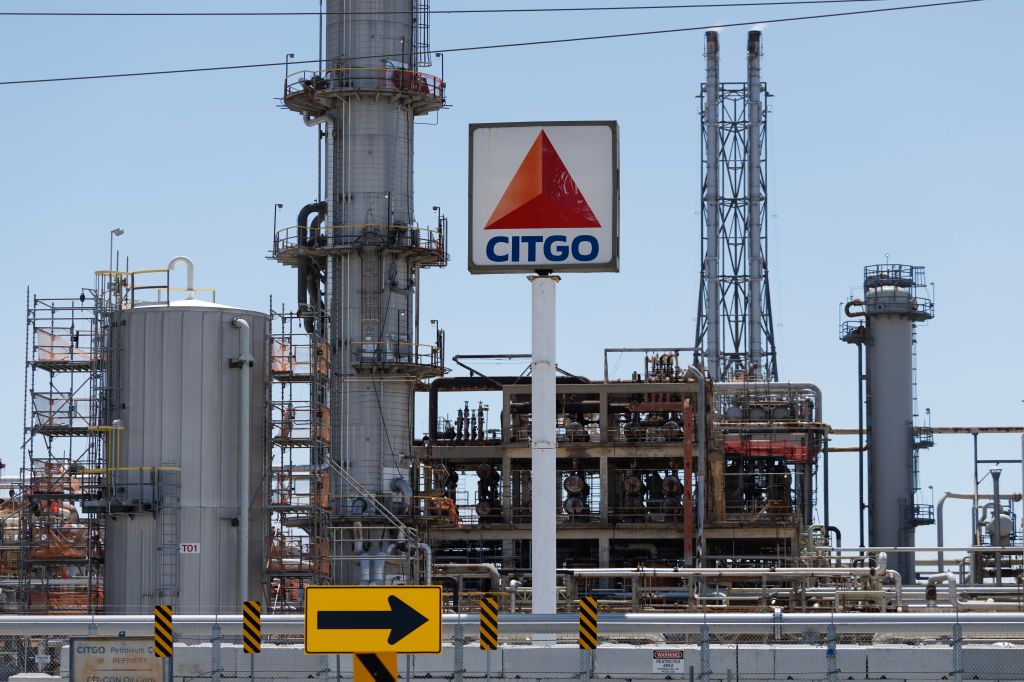
Early this year, it seemed all but certain that Citgo Petroleum—the Houston oil refiner familiar to American drivers, but little known as a Venezuelan subsidiary—was about to fall into the hands of a U.S. activist hedge fund .
In November 2025, a Delaware federal judge ordered the sale of the company to Elliott Management and its affiliate startup, Amber Energy. The court ruled that Citgo could be held liable for the Venezuelan government's debts, and approved a sale that would send $9 billion to pay off a small number of Venezuela's numerous creditors. All that was needed to close the sale was a green light from the Trump administration, at which point Citgo and its U.S. refineries would come under American ownership for the first time in nearly 40 years.
In the weeks after the dramatic ouster of former Venezuelan leader Nicolás Maduro in early January, that approval appeared close at hand. Energy Secretary Chris Wright applauded the forced sale to Elliott and its GOP megadonor founder, Paul Singer. It was seen as a win-win deal. The court-ordered sale—opposed by the Venezuelan government—would reduce Venezuela's massive debt pile while giving a U.S. company the opportunity to expand the Gulf Coast's refining capacity, including churning more Venezuelan crude, which could help drive down gas prices. "I think that's fantastic," Wright said.
But eight months later, that approval is nowhere in sight. The Treasury Department has extended Citgo's protection from the sale six times since January, raising questions over whether November's court-ordered sale to one of Trump's wealthiest allies could be undone by geopolitics. After all, a now U.S.-friendly interim Venezuelan government still doesn't want to give up its crown-jewel assets in Citgo, and the Trump administration may be more amenable to that sentiment from Caracas.
"There's an open question now as to whether or not the Citgo sale is a requirement," said Richard Nephew, a sanctions expert at Columbia University's Center on Global Energy Policy who helped broker sanctions negotiations in the Obama administration.
Keeping in place Citgo's protection from being sold avoids disrupting the ongoing cooperation between the U.S. and Venezuela, said Jose Ignacio Hernandez, a Harvard law professor and former special counsel for Venezuelan opposition leader Juan Guaidó. The Trump administration's public policy towards Venezuela is the three-step strategy espoused by Secretary of State Marco Rubio—stabilization, recovery and transition. "Any license authorizing the [Citgo] sale order will definitely disrupt these three phases," Hernandez said.
Topics in this story
Gathered from external sources. Rights to this text belong to whoever originally published it.