'They're going to need to hike rates': Wall Street weighs in on Fed's next policy decision after blowout jobs report
Wall Street sees booming cloud growth as a sign that AI spending is giving a return on investment.
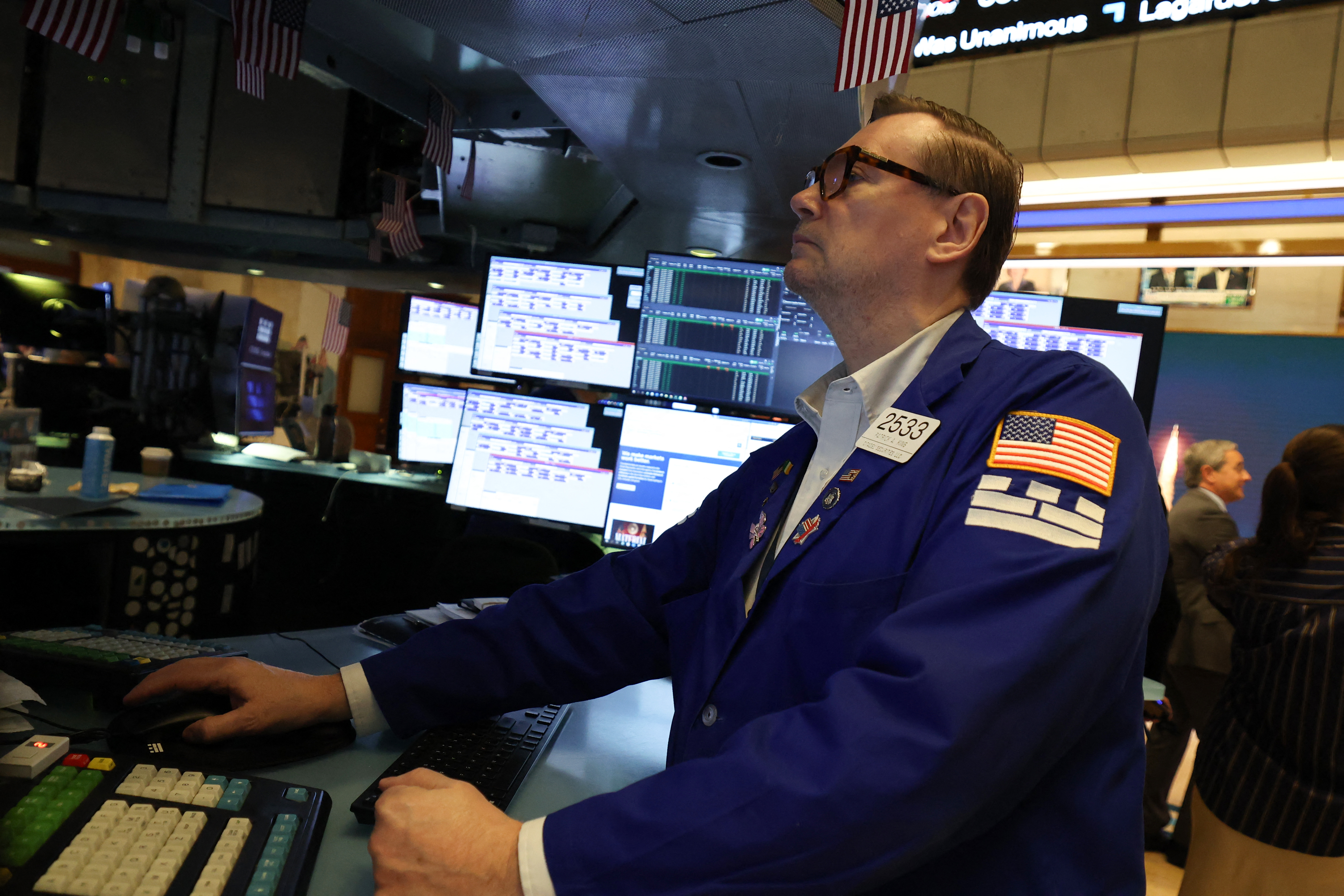
Wall Street sees a blowout jobs report and spiking Treasury yields as another sign that the Fed is going to have to hike rates to clamp down on inflation.
The US economy added 162,000 jobs last month, blowing past economists' expectations. If the Fed was looking for clues of a slowing economy, this report wasn't it.
"They're a little bit behind the curve," Joe Brusuelas, RSM chief economist, told Yahoo Finance, in reference to the central bank. "They're going to need to hike rates if they want to reinforce their credibility, and that's going to cause a lot of problems at 1600 Pennsylvania Avenue."
The Trump administration has been pushing hard for lower rates to bring borrowing costs down and flatten the yield curve, with the president threatening a trade embargo if they don't.
Fed Chairman Kevin Warsh has been mum about forward guidance, though his speech in Jackson Hole last month was seen as hawkish.
On the day before the Fed's communication blackout period ahead of its next policy meeting began, Fed Governor Christopher Waller signaled support for keeping rates steady if next week's inflation report shows easing prices.
"I think we are leaning into the direction of a Fed hike," R.J. Gallo, Federated Hermes chief investment officer for global fixed income, told Yahoo Finance.
Gallo believes that if the Fed hikes, the move would appease the short-term bond buyers, while demand for long-term rates could rise as the Fed tackles inflation.
"[Warsh] can satisfy markets by hiking [short-term] rates, and if long yields come down, which I think they might, he gets the pressure off him from the political side," Gallo added.
On Friday, Macquarie analysts moved their rate-hike expectation from December to September, with a second one due in the first quarter of 2027.
Polymarket bettors have priced in a 53% chance of a rate hike versus a 48% chance of a rate hold at the Sept. 15-16 meeting.
The question lingering on Wall Street is what will happen if a hike doesn't bring long-end yields down.
Rising inflation from higher oil prices, record-high debt, and increasing auction sizes have led investors to demand a higher term premium on the debt they buy. A recent US Treasury announcement to increase bond buybacks eased yields for about a day before they rose again. An intervention to help Japan's currency, in exchange for not selling its bonds, also did little to stem a rise in the long end of the curve.
"The position of the United States as a borrower is just not quite what it was," Gallo said.
Topics in this story
Gathered from external sources. Rights to this text belong to whoever originally published it.