Kroger, Publix, and regional grocery chains face pricing problem
Consumers aren’t spending less, but they are more stressed about their grocery bills.
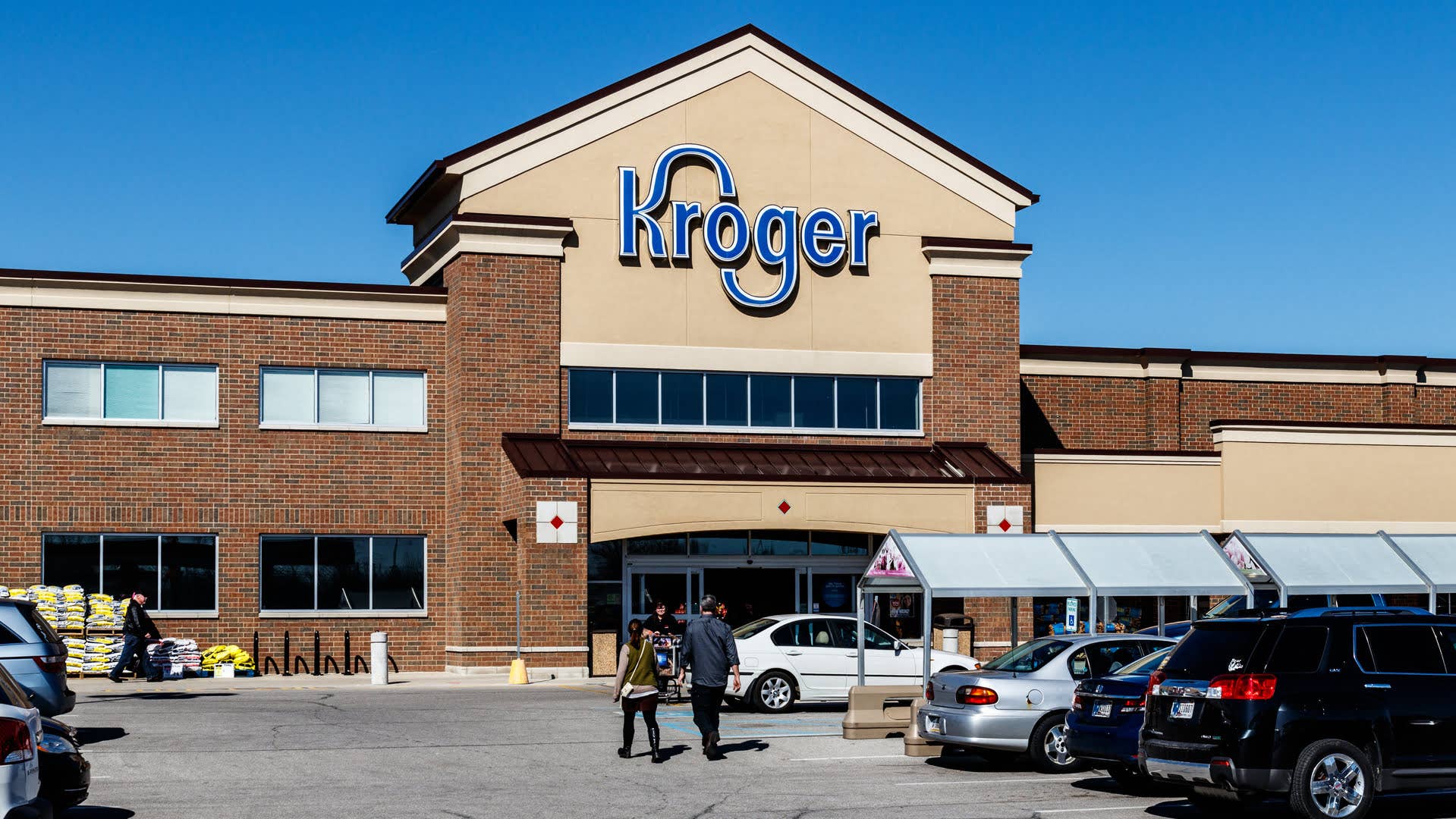
Americans have become value-driven when it comes to what goes into their shopping carts at grocery chains.
"Consumers aren't necessarily buying less. They're becoming more strategic. With 75% indicating that they're stressed about grocery bills (up from 73% last year), it makes sense that shoppers are looking for ways to maximize value from every trip," according to Algolia's The state of grocery shopping: inflation .
The survey showed that many consumers, but not a majority, have been willing to trade down.
Forty-two percent (42%) have switched to private labels to save money (up from 40% last year).
Thirty-six percent (36%) have traded their favorite brands for cheaper alternatives.
Forty-one percent (41%) have cut back on premium cuts of meat/seafood, and 39% have purchased fewer non-essential food items, like snacks and treats.
That value-seeking behavior puts traditional grocery chains such as Kroger, Publix, and Albertsons under pressure from lower-priced competitors including Walmart, Aldi, Lidl, and Costco.
Location is no longer driving grocery purchases
When I was a kid, my mother shopped at the Star Market closest to our house. No other grocery chain was convenient, so the choice was clear.
At our current home, Publix is the closest grocery option, but Walmart and Target are only a little farther away, and there's an Aldi nearby, as well as a Whole Foods and Trader Joe's.
Now, with more choices readily available to more Americans, value has, in many cases, trumped convenience.
"That value-seeking mindset extends to where and how consumers shop. Forty-four percent (44%) don't necessarily have a go-to grocery store," wrote Algolia exec Piyush Patel.
"Instead, 28% compare prices across multiple retailers to maximize value. Sixteen percent (16%) compare prices across multiple retailers before picking one grocer with the best prices overall. Twenty-eight percent (28%) have a preferred grocer but still compare prices across brands and products before deciding what to buy. Just 6% say they'll stick with their favorite brands even when they cost more," he added.
GlobalData Managing Director Neil Saunders thinks there's a very clear reason why shoppers have become less loyal.
"Among mainstream grocers, the reason there's a lack of loyalty is because there's a lack of differentiation. A Kroger is basically replaceable by an Albertsons, which is replaceable by a Hannaford," he wrote on RetailWire .
Topics in this story
Gathered from external sources. Rights to this text belong to whoever originally published it.