What does a Fed rate hike mean for mortgage rates?
Home loan rates and the Federal Reserve's benchmark for short-term interest rates are loosely linked. Why mortgage rates are rising anyway.
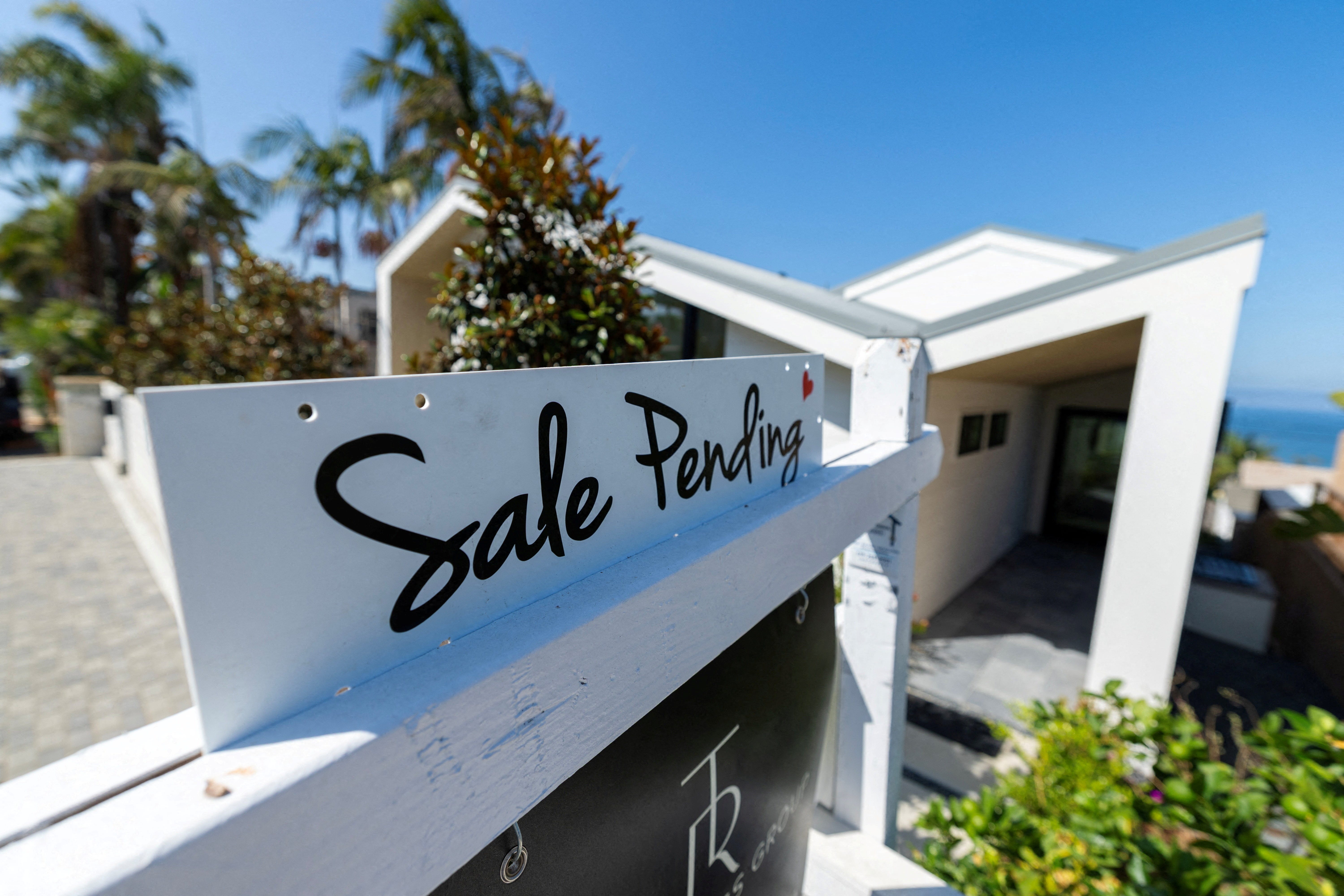
Homebuyers face higher borrowing costs after the 30-year fixed rate for mortgages rose last week to its highest level in nearly two years.
While it's true that Fed policymakers on Sept. 16 raised their benchmark for short-term interest rates to combat stubborn inflation , that doesn't mean they also raised mortgage rates.
The federal funds rate stands at a range of 3.75% to 4%, a quarter percentage point higher than before. That's generally good news for savers and bad news for borrowers . But unlike high-yield savings yields or credit card APRs, which respond to changes in the Fed's target range, home loan rates and the federal funds rate are loosely linked.
The Fed does not set mortgage rates. The 30-year fixed rate for mortgages, for example, tends to follow the yield on the 10-year Treasury note. Still, the Fed can influence mortgage rates indirectly if its policy decisions move Treasury yields.
"While I don't expect one Fed meeting to change the housing market overnight, what matters now for Americans is whether their entire financial picture starts to feel more manageable," Mike Miedler, Century 21 Real Estate's president and CEO, said in a note. "Families are making a housing decision alongside the cost of groceries, gas, childcare, and everything else in their budget."
What does a Fed hike mean for mortgage rates?
Ahead of the Fed's September meeting, the 10-year Treasury yield reached 5% , its highest level since 2023, while the average 30-year fixed mortgage rate climbed to 7%, according to Bankrate data . Those levels reflected a range of concerns, including stubborn inflation and geopolitical risks. The expected Fed rate hike was one consideration.
Inflation expectations are one factor that can push Treasury yields higher. If investors expect prices to keep rising, they typically demand higher returns to make up for the purchasing power they could lose over the life of the bond.
After the Fed rate hike on Sept. 16, Treasury yields initially dipped. Higher short-term borrowing costs can slow spending and demand, which can help slow the pace of price increases over time. Investors saw the move as a sign that policymakers were taking inflation seriously.
But the dip did not last. In the days after the decision, developments outside the Fed's control had pushed the 10-year Treasury yield higher again.
"That tailwind quickly faded after the Japanese central bank raised rates without taking as firm a stance on inflation as markets expected, putting renewed pressure on U.S. Treasuries and mortgage rates," Jeff DerGurahian, loanDepot's chief investment officer and head economist, said in a note.
Topics in this story
Gathered from external sources. Rights to this text belong to whoever originally published it.